CANOSSA, MADDALENA GABRIELLA, marchioness, blessed. — Born in Verona on 1 March 1774, died there on 10 April 1835. Orphaned of her father at the age of five; abandoned at seven by her mother, Marchioness Teresa Szluha, who contracted another marriage, at eighteen she attempted to become a Carmelite among the Discalced nuns of Conegliano. She devoted herself to caring for girls from the streets (1799), beginning to take some of them in as boarders (1800–1801); then she established a “Ritiro Canossa” in a small house purchased near S. Zeno in Oratorio (1802), where she also opened (1803) a school of charity. She likewise attempted to reside there (1805), but was soon forced to return to her family. Having obtained from the civil authorities in 1808 the former monastery of SS. Giuseppe e Fidenzio, in the working-class district of S. Zeno Maggiore (which she later received as a gift from Francesco I on 30 November 1815), she transferred her first retreat there and herself took up residence there. Donna Leopoldina Naudet (1773–74) also entered with her as superior, together with several companions who had belonged to a dissolved institute that they intended to restore. C. and Naudet worked together until November 1816.
The Blessed gave definitive form to the first outline of her institute of the “Daughters of Charity” of Verona in Venice (1812–16), where she composed its rules. She subsequently reformed the community of Verona on the model of Venice; and gradually devoted herself to the foundations at Milan (1816), Bergamo (1820), and Trento (1828); she also prepared those at Brescia and Cremona, which were established after her death. The founder’s objectives were: the instruction and education of the poorest and most abandoned female youth; instruction and assistance for women of the lowest classes; assistance with Christian doctrine in the parishes; visits, assistance, and instruction for sick women in hospitals; the internal instruction of young women from the countryside, to make them village teachers; and at times also the education of deaf-mute girls; for the benefit of the more prosperous classes, the practice of spiritual exercises for ladies at the various houses of the institute. In various places she promoted the pious Union of ladies for visits to hospitals; she also attempted to establish “Sons of Charity.” A most noble soul, she commanded the admiration of Bonaparte and that of the sovereigns of Austria; Pius VII gave her guidance and consolation; Leo-
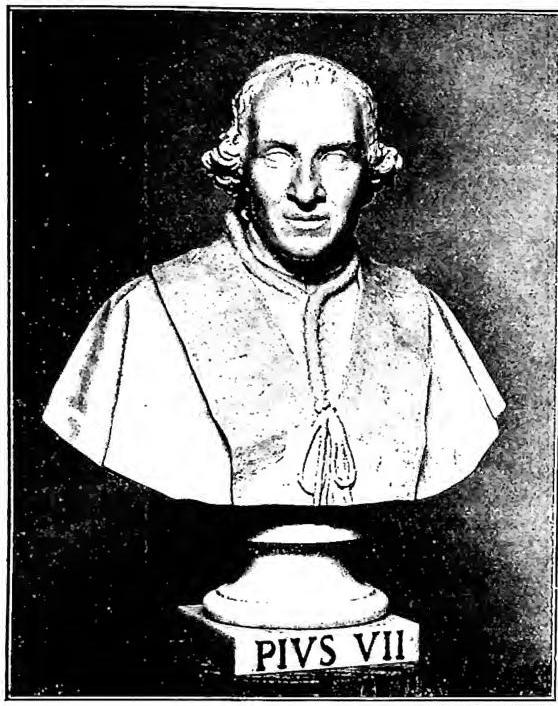
Pius XI proclaimed the heroism of her virtues, and Pius XII beatified her on 7 Dec. 1941.