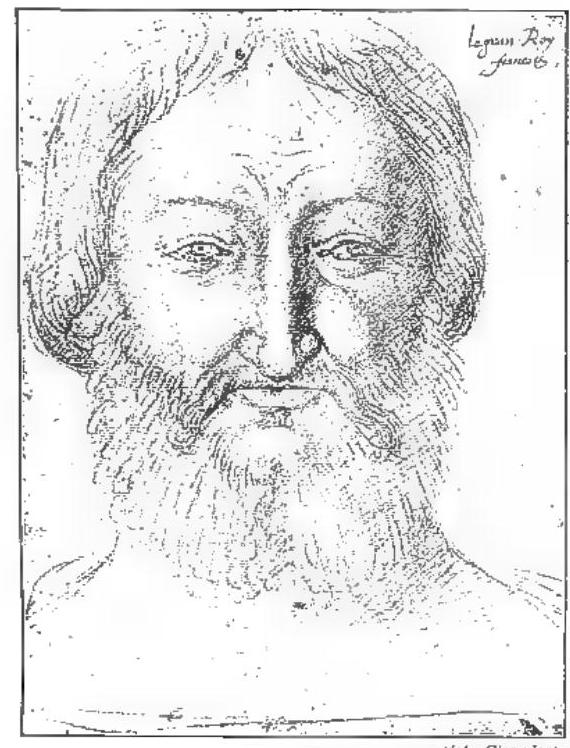
FRANCESCO I DI VALOIS, RE DI FRANCIA

FRANCIS I of Valois, King of France. — Born on 12 Sept. 1494 to Charles of Orléans and Louise of Savoy. The death of his father and the lack of heirs of Louis XII secured his succession to the throne (9 Jan. 1515), which he inaugurated with a great military success over the Swiss (Marignano, 13–14 Sept.) and the consequent acquisition of the Duchy of Milan.

But the programme of conquest of the Milanese, which Louis XII had envisaged on a smaller scale, was to take on much greater proportions when the imperial election of Charles of Habsburg (28 June 1519) forced France into a struggle that would not end even with the death of the two rival monarchs. The first phase closed with the disaster of Pavia (24–25 Feb. 1525). F. I, taken prisoner and forced to choose between Mantua or Vicenza as places of detention, then showed little interest in the debates. Instead, he intensified the persecution of heretics, who in many French cities were continually arrested and tried.

F. I was a magnificent patron and favoured Italian artists and French humanists who adorned his court with the splendour of the Renaissance. Though prodigal with money, he cannot be said to have been a poor administrator. Moreover, the moment demanded that he devote all his energies to foreign policy alone. During his reign, France experienced not only the harshness of war but also wise and beneficial measures. Even the alliance with the Turk, which brought so much infamy upon the head of its architect, secured lasting advantages for French trade.

Bibl.: E. Fueter, Storia del sistema degli Stati europei dal 1492 al 1559, trad. it., Firenze 1932, passim; H. Lomonnet, Les guerres d'Italie: la France sous Charles VIII, Louis XII et François Ier, Paris 1903; C. Terrasse, François Ier, 2 voll., 1814–1818; H. Hauser and A. Renaudet, Les débuts de l'âge moderne, 1814–1818, 2 voll.; E. Pontieri, Nei tempi grigi della storia d'Italia, Napoli 1949, passim.