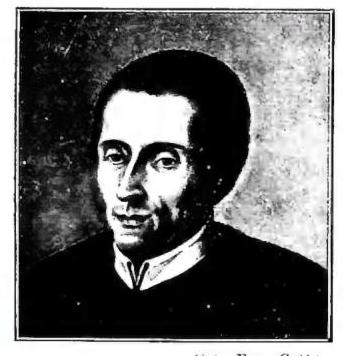
SARKANDER, JOHANN, blessed. — Martyr of the seal of Confession, b. at Skotschau (on the borders of Austrian Silesia) on 20 Dec. 1576, d. in prison at Olmütz on 17 March 1620.
Ordained a priest, he exercised his ministry in various places of the diocese of Olmütz, until in 1616 he was elected parish priest at Holleschau in Moravia. There, Baron Ladislaus Poppel of Lobkowitz had restored to the Catholics the churches taken from them by the Hussites, and had given the Jesuits the meeting house of the Bohemian Brethren. S., aided by the Fathers, revived and rekindled the fervor of his flock, effecting many conversions. The Thirty Years’ War forced him in 1619 to take refuge in Poland in order to escape the persecutions of the Protestants; returning after a few months to his parish, he succeeded in persuading the Polish troops, who had come to the Emperor’s aid, to spare the country. But this brought upon him the accusation that he himself had summoned those foreign troops; therefore, after being arrested, taken to Olmütz, and tried by a commission of Hussites, he was ordered to reveal who had summoned the Poles, what he had secretly done in Poland, and what Lobkowitz, his penitent, had confided to him in confession. S. denied having had anything to do with the arrival of the foreign troops; but he refused to betray the secret of Confession. Nor were the most horrible tortures inflicted upon him able to move him; after a month of suffering, they brought him to the grave. The people immediately venerated him as a saint and requested his beatification. The process opened under Benedict XIV and interrupted was resumed