
ALCIATI, ANDREA — Jurist and humanist, born at Alzate near Como on 8 May 1492, died at Pavia on 12 January 1550. Having received his doctorate at Bologna in 1514, he practised law in Milan for approximately four years; he then taught law at Avignon, Bourges, Pavia, Bologna, and Ferrara. Held in high honour by King Francesco I, who summoned him to France and took pleasure in attending his lectures, he was appointed apostolic protonotary by Paul III.
A. is celebrated as the inaugurator of a new method in the study of law, which he sought to harmoniously connect with the humanist movement of his time.
(from G. Carbonelli, Sulle fonti storiche ecc.)
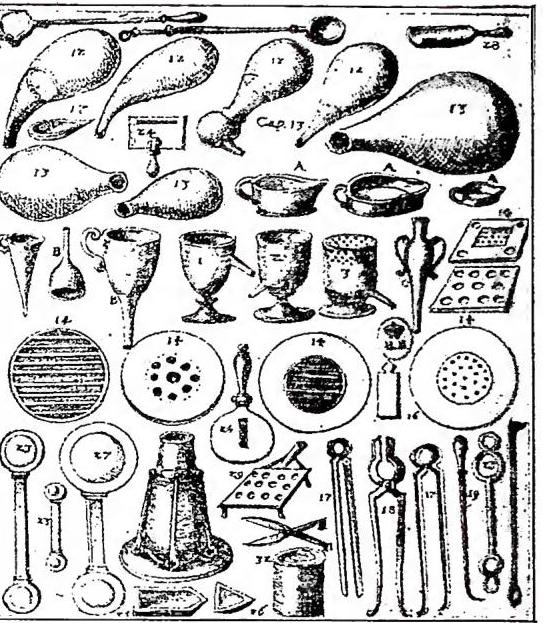
ALCHIMIA - Extraction of mercury in the 16th century.
moral). A critical edition of his correspondence is in preparation. One of his Contra vitam monasticam ad collegam olim suum, qui transierat ad Franciscanus, Bernardum Mattium Epistola, in which, to dissuade his friend from becoming a friar, he describes the abuses and disorders of cloistered life in excessively vivid terms, was placed on the Index on 23 March 1700. He himself, however, did not intend it for publication; instead, it was published, together with other writings not by him, by Antonio Mattio (Leiden 1695).