
BARTOLINI, LORENZO. - Sculptor, b. at Savignano in 1777, d. at Florence in 1850. He studied in Paris in David's atelier; he was a companion of Ingres, and with the latter he shared an aversion to classical statuary models and an admiration for the Italian quattrocentists; in Paris, where he remained from 1799 to 1808, after years of struggle and poverty, he managed to establish himself to the point of obtaining Napoleon's protection. Having returned to Italy, he first taught at the academy of Carrara; and both there and, later, in Florence (where, having overcome the hostility of the milieu, he obtained in 1839 a teaching post at the academy) he opposed himself sharply to the classicism of the time, opposing the study of ancient statues and advocating the imitation of nature.
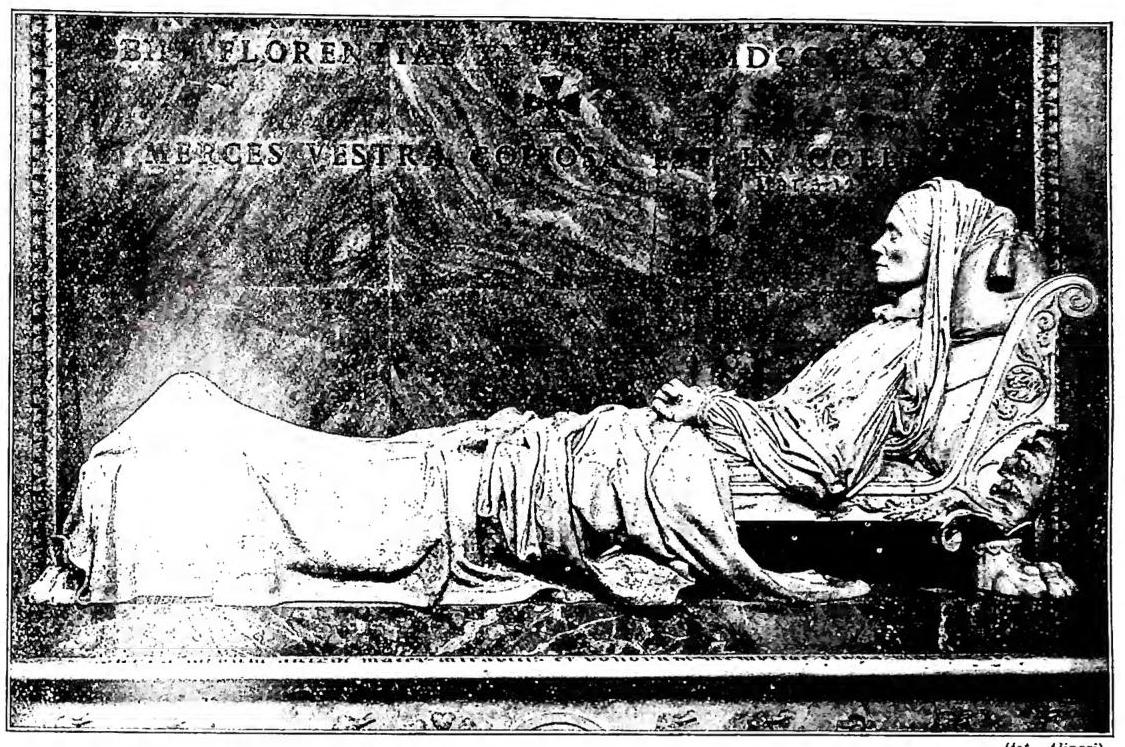
In his works, however, and especially in those that most earned him fame (La carità, of the Pitti Gallery in Florence, and La fiducia in Dio, of the Poldi-Pezzoli museum in Milan, both of 1836, cold and artificial in their purity and smoothness), he was a prisoner of traditional schemas. From these he rarely knew how to free himself: and he succeeded in doing so in the funerary sculptures (tomb of Countess Zamojska in S. Croce in Florence), and even better in the statue of Machiavelli, in the portico of the Uffizi in Florence, in the highly valuable self-portrait, and in the numerous busts (of Pius IX, of Murat, of Rossini, etc.), as far removed from academic taste as from a crude verism. He had a vast output, for which at the end of his career he made use of numerous assistants, indulging more and more in the classicism he had so much fought against.
Bibliography4 works
Marta Prandi