
Gesso (in art). — Chemically, gesso is hydrated calcium sulfate, slightly soluble in water. Its solubility, however, increases with rising temperature. Its use in the visual arts is of great importance and varied nature. First, it is employed by sculptors both for preparing models to be transferred into marble and metal or terracotta, and directly in the final execution of the work, since it is firmer than wax and raw clay, though less stable than stone and metal. In the Middle Ages, beginning in the 13th century, one finds tabernacles, pulpits, ciboria, and screens made of gesso, often of exquisite craftsmanship, and
GERUSALEMME - The Holy Sepulchre as seen by a 15th-century painter - Bodensee.

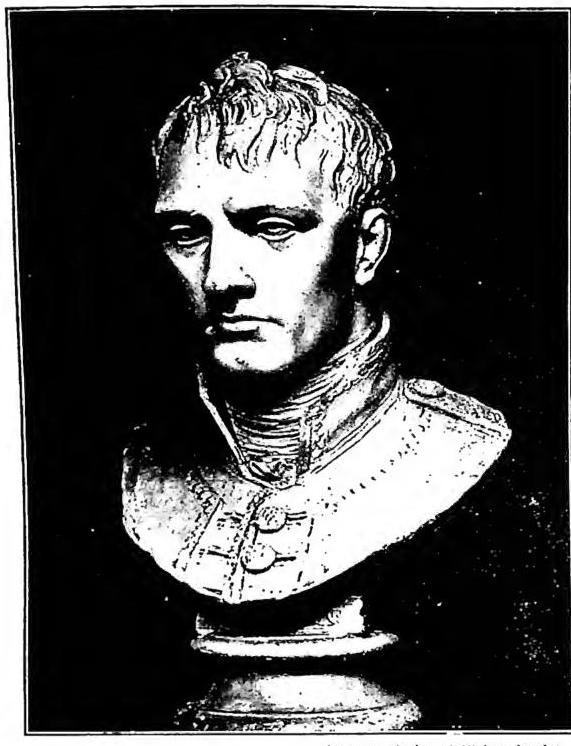
Insigne Accademia di San Luca — Pinacoteca.
In many Italian regions, especially Lazio and Abruzzi, works executed in gesso are abundant.
Medieval sculptors carved gesso in the same way as stone, and decorative structures often had a stone core to compensate for the gesso’s lack of solidity.
It is rarer to find gesso used in full-round sculpture; however, in this category fall casts, which are made for teaching and dissemination, particularly of ancient sculptures. Important collections of casts exist, among which are notable the Gesso Museums of Rome, located at the University, and of Paris, with casts of the tomb monuments of the kings of France.
To make a cast of a sculpture, gesso is used twice: first to build on the original the matrix or casing that will contain the reproduction, and then to pour into the first the paste that will model the copy. The first must be of a more solid quality and easier to set, and is called gesso da formatori; the second is more fluid and crystalline and is called gesso alabastrino.
In painting, gesso was used to prepare the ground on panels and, later, the priming on canvases. Mixed with glue, it was spread on the panel (v. Cennini) with a brush so as to form a smooth and uniform bed for the colour. On canvases as well, the priming of gesso and glue is applied by the same process and serves similarly to level the irregularities of the weave, as well as to create a solid foundation for the paint.
In the restoration of paintings, gesso plays a very important role. Diluted hot in glue, it is used to fill the gaps in the original parts, which are then integrated with colours in neutral or toned-down areas according to various procedures.