
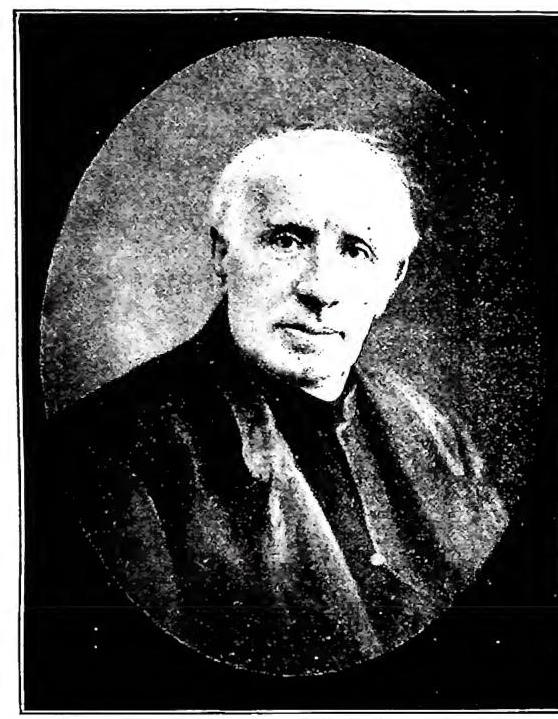
LANZA, ANTONIO. - Moral theologian, archbishop of Reggio Calabria, born at Castiglione Cosentino on 18 March 1905, died at Reggio Calabria on 23 June 1950. Ordained priest on 16 Apr. 1927, he was first professor of moral theology at the Calabrian regional seminary; in 1935 he moved from there to the same chair at the Lateran Athenaeum. In Rome he held offices in the Roman tribunals and was vice-assistant of the Movement of Catholic Graduates. On 12 May 1943 he was elected to the metropolitan see of Reggio Calabria, with united
Among other works, he wrote: La questione del momento in cui l'anima razionale è infusa nel corpo (Rome 1939); De fine primario matrimonii (ibid. 1941); La coscienza morale (in VI Corso Cristologico, La morale di Cristo e le professioni, ibid. 1942, pp. 81-93); La proprietà: l'aspetto teologico-morale (in Riv. intern. di scienze sociali, 51 [1943], pp. 48-49); Theologia moralis fundamentalis (Rome 1949): this is the first volume of a work that promises to be one of the best textbooks of moral theology, and will be continued); Il messaggio sociale di Gesù (in Il Simbolo, VII. La vita di Gesù, Assisi 1950, pp. 139-50).