
PROSPERO di AQUITANIA. – Gallo-Roman theologian, b. at the end of the 4th century, d. around 455.
Around 426, he composed his Carmen de ingratis in 1002 hexameters (PL 51, 91–148), which is a defense of the ideas of St. Agostino concerning Grace and predestination against certain monks of Marseille and Lerins; in it he takes up again the arguments already set forth in his letter to Rufino (ibid., 77–90).
In 428 he asked St. Agostino directly for some supplementary explanations (ibid., 67–74), and the latter replied to him with the De praedestinatione sanctorum and the De dono perseverantiae (which originally constituted a single work), of which P. makes the defense in his Pro Augustino responsiones ad excerpta Genuensium (ibid., 187–202), in response to certain doubts expressed by two priests of Genoa, Camillo and Teodoro. P. would also have desired a formal condemnation of the ideas professed at Marseille and Lerins; but from Pope Celestino he obtained only an appeal for concord (ibid. 50, 528–30), which, moreover, remained entirely without effect: Cassiano, in fact, published his Collationes, Vincenzo di Lerino his Commonitorium, and Arnobio il giovane his Praedestinatus. P. replied, passionately defending his master, with the De Gratia et libero arbitrio contra Collatorem (ibid. 51, 213–76), Pro Augustino responsiones ad capitula obiectionum Gallorum calumniantium (ibid. 155–74), and Pro Augustino responsiones ad capitula obiectionum Vincentianarum (ibid., 177–86), written around 432–34.
After 435, P. settled in Rome, where he published his Expositiones super psalmos (ibid., 277–426) and very probably also certain Capitula appended to Celestino’s 21st letter. In 450 he returned to the problem of Grace in his De vocatione omnium gentium (ibid., 647–
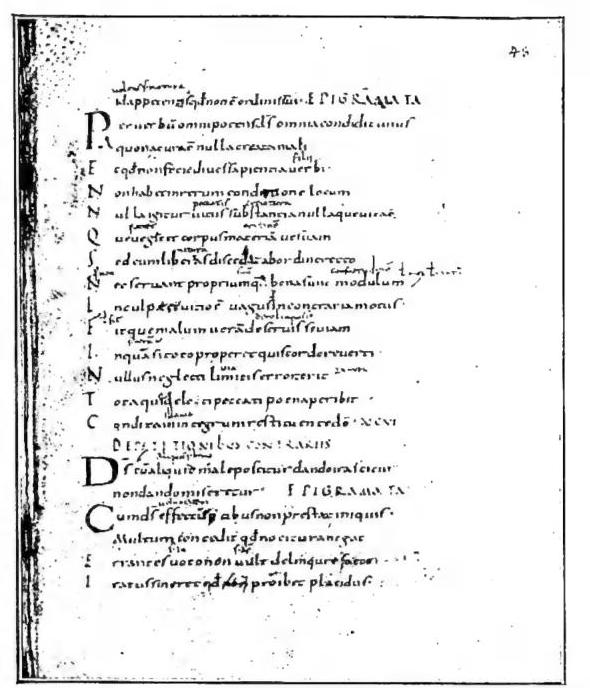
Il pensiero di P., pertanto, subì delle variazioni: da principio agostiniano intransigente (in reazione contro Cassiano e i lerinesi), attenuò poi le sue espressioni e mitigò il suo pensiero, probabilmente sotto l'influsso di s. Leone, giungendo alla fine, intorno ai problemi della Grazia e della predestinazione, a concezioni moderate. Il Concilio di Orange (529) ricavò la maggior parte dei suoi canoni dal suo Liber sententiarum; e nell'epoca carolingia l'opera di lui tenne un posto di preferenza presso i teologi.
A torto viene attribuito a P. d'A. (l'autore è un pelagiano autentico) un carme composto verso il 415 in Aquitania, che descrive le devastazioni dei Vandali e dei Goti in Gallia e le sofferenze della popolazione che comincia a dubitare della Provvidenza divina. Scritto semplice e non senza un senso artistico.