
TANSILLO, LUIGI. — Born into a family from Nola, probably at Nola and not at Venosa, in 1510; he died at Teano on 1 December 1568. A poet, courtier, and soldier, he remains one of the most notable and most appealing figures in our literary history between the age of Ariosto and that of Tasso. His loyalty to the Spaniards, first in the person of d. Pietro, viceroy of Naples, and subsequently of his son d. Garzia, was a sincere sentiment, and it is not possible to hold it against him.
(phot. Enc. Catt.)
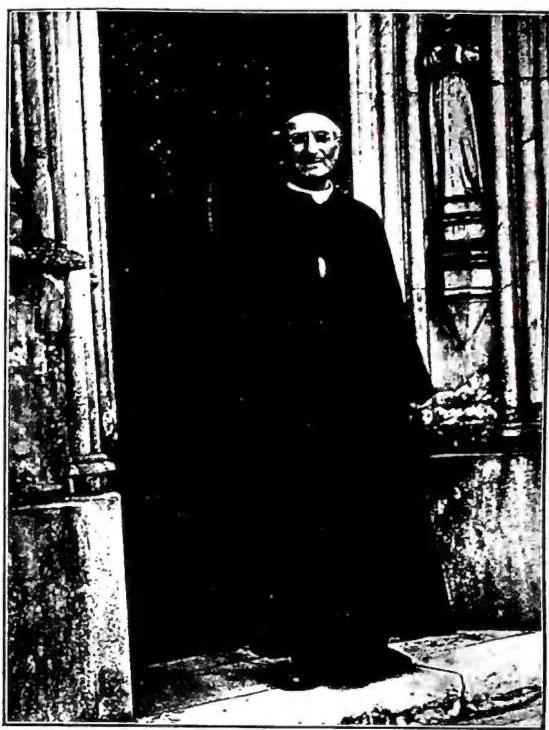
TANNOIA, ANTONIO – Portrait, preserved in the General House of the Redemptorist Fathers – Rome.
Far from being irreligious, T. was not rich in religious inspiration. His poem in ottava rima, Le lacrime di s. Pietro, therefore, published posthumously and written after the Vendemistore had been placed on the Index, is a poor work; it nevertheless owed a certain success and popularity (it was promptly translated into Spanish) to the success of the new literary genre to which it belonged. For religious poetry in the vernacular begins with II. Not much more can be said of his two didactic poems in the vernacular: the Balia and the Podere. They are nothing remarkable; but in the genre of didactic poetry, so often arid both in Italy and elsewhere, they stand out for a certain liveliness of feeling. They are written in chapters. Yet T. does not occupy his place of honor between Ariosto and Tasso because of these works. For his fame, if not precisely his glory, a few of the many lyric verses he wrote are sufficient, especially those in which a melancholy and ardent feeling for nature and a sensuality wholly enlivened by the flame of the spirit sometimes call to mind the great Romantics. And then the sublime of religion and of the fatherland also flashes forth in him.
#### TANTRISMO: V. INDUISMO.