
AMICO, FRANCESCO. - Jesuit theologian, b. in Cosenza on 2 April 1578, d. on 31 January 1651. Admitted to the Jesuit novitiate in 1596, he soon displayed a singular liveliness of intellect combined with an amiable simplicity. He later became a professor of letters, philosophy and theology, and was also a distinguished preacher. He held the chair of philosophy only for a few years; then, for a full 24 years, the chair of theology in various cities (L'Aquila, Naples, Graz and Vienna, where he was also prefect of studies). Returning from Vienna to Graz, he was there invested with the dignity of chancellor of the University.
He left the work Cursus theologici iuxta scholasticam hujus temporis S. J. methodum, corresponding to the method and order followed by St. Thomas Aquinas: 9 folio volumes, printed at Douai between 1640 and 1649, reprinted at Antwerp in 1650.
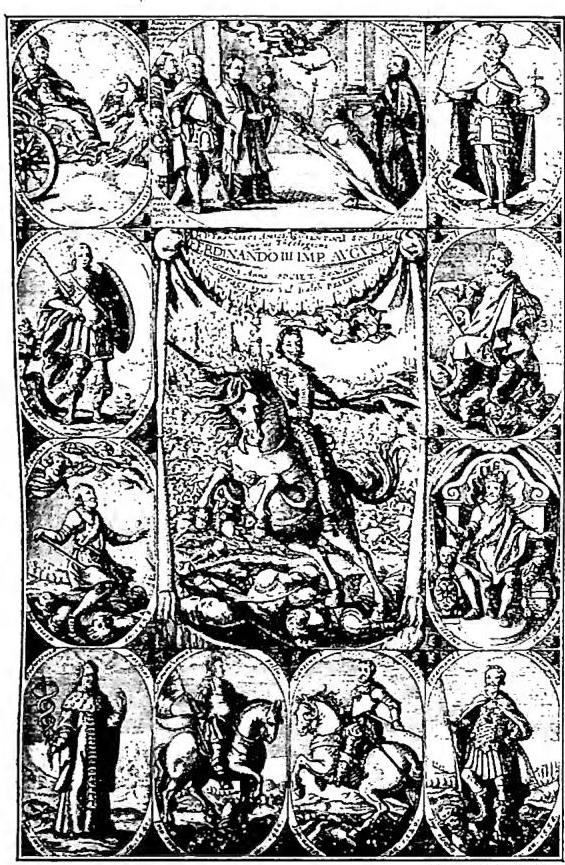
The content of the work is divided as follows: I. De Deo uno et Trino; II. De natura Angelorum eorumque proprietatibus; III. De ultimo fine hominis et mediis ad eum conducentibus et impedimentis abducentibus; IV. De fide, spe et caritate; V. De jure et justitia; VI. De augustissimo Incarnationis mysterio; VII. De Sacramentis in genere; de Baptismo, Confirmatione et Eucharistia; VIII. De Sacramento Poenitentiae et Extremae Unctionis; IX. De magno Matrimonii sacramento.
The V volume was prohibited in 1651 by the Congregation of the Index on account of three propositions that were condemned by Alexander VII (prop. 17) and by Innocent XI (propp. 32 and 33): the first concerning homicide through calumny (disp. 36, de Just., n. 118), and the other two concerning homicide as self-defense (disp. 36, nn. 31 and 132). This volume had already been the object of censure on the part of the theological faculty of Louvain (6 Sept. and 8 Oct. 1649): a censure that led to the appointment of a procurator general, so that the work might be denounced to the Holy See through the archbishop of Malines, James Boonen. The Congregation of the Index, by decree of 6 June 1655, permitted its reading "dummodo corrigatur". Subsequently the text was corrected, so that F. A. remains and is classified among the weighty and reliable authors.
Bibliography5 works
Ieino Tarocchi