
HLINKA, ANDREJ. – Apostolic protonotary and Slovak politician, born on 27 Sept. 1864 in Černová, died on 16 Aug. 1938 in Ružomberok (Slovakia). Ordained a priest in 1889, H. devoted himself to the apostolate by organizing social cooperatives, combating alcoholism, and actively engaging in teaching. In 1905 he became parish priest in the city of Ružomberok, where he had schools and an orphanage built, created a publishing house, and embarked upon his notable political and cultural activity. Having founded the newspaper L'udové Noviny in 1897, he was proposed for the first time the following year as a candidate for the Budapest Parliament, and in 1905 he founded the Slovak Popular Party, which sought the political and religious freedom of that nation. Thus, from 1923 onward, it became the largest political party in Slovakia, thanks to which the country’s autonomy was achieved in 1938; with the communist Russian occupation of 1945, the party was suppressed.
After the elections of 1906, H. was suspended by his Ordinary for political reasons and at the same time sentenced by the Hungarian authorities to three and a half years in prison, which he served in Szeged. During his imprisonment he translated the Holy Scripture anew into the Slovak language; the ecclesiastical case was resolved in his favor in Rome, so that, after leaving prison in 1910, he was able to resume possession of his parish, and had a beautiful church built in his native village of Černová. But on 27 Oct. 1907, when the church was to be consecrated, a serious clash took place between the po-
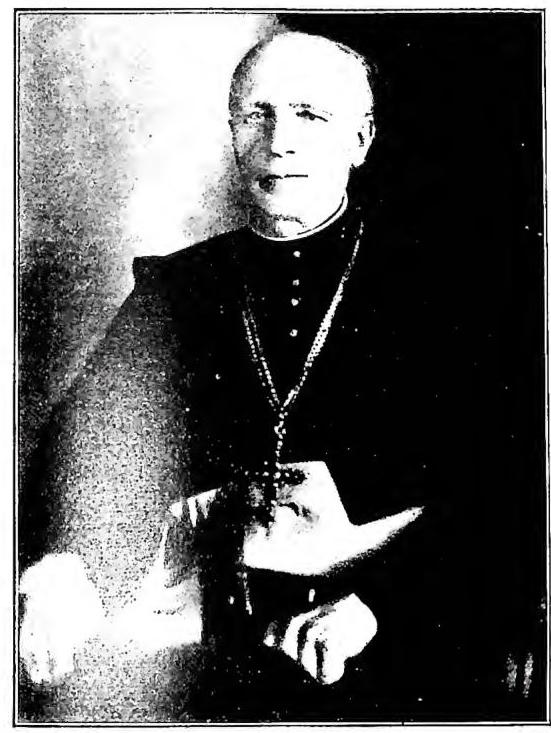
After the First World War, in 1918, H. accepted the union of the Slovaks with the Czechs, but soon saw his plans frustrated and therefore resumed the autonomist movement, once again proving himself an excellent and faithful priest. He was in fact urged to take part in the emerging schism of the national Church in Czechoslovakia, but, relying on his great popularity, he contributed significantly to neutralizing such tendencies throughout Slovakia, always defending the Catholic religion in the Parliament of Prague and supporting the arduous work of the apostolic nuncios at such a delicate moment.