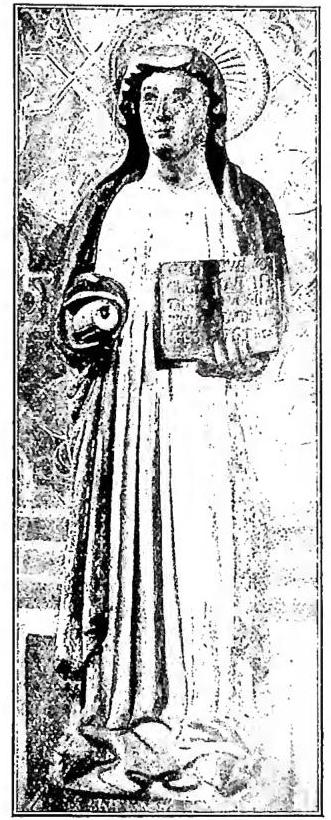
MARTA, saint. - Lazzaro (v.) and of Maria di Bethania. Her name in Aramaic means “lady.” She is first mentioned by Lc. 10, 38-42 in a village of Galilee, where she received Gesù as a guest and “busied herself” preparing a worthy welcome for him, while her sister Maria sat peacefully listening to the Maestro. M. protested to Gesù, but Gesù replied to her: “M., M., you are anxious and troubled about many things; yet few are needed, indeed only one. Maria has chosen the better part, which shall not be taken from her.” With these words Gesù did not condemn the active life, but moderated its excesses, placing before it the contemplative life.
M. witnessed the resurrection of Lazzaro (Jn. 11, 20-40) at Bethania. At M.’s tender lament (“If you had been here, my brother would not have died”),