
OSSERVATORE ROMANO, L'. - Political-religious daily of Vatican City.
Under this title a newspaper edited by Abbé Battelli appeared in Rome (1848-50), which was suppressed due to pressure from the government of Turin. In 1860 the pontifical government decided to establish a strictly supervised polemical-religious daily:
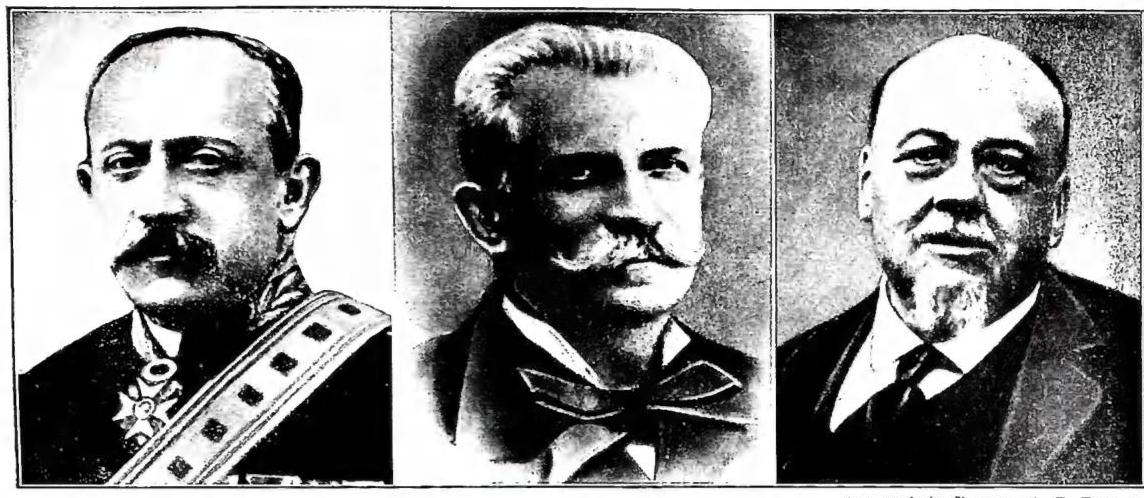
L'Amico della verità; and in 1861 the deputy minister of the Interior, M. A. Pacelli, entrusted its creation to two refugees from Romagna - N. Zanchini and G. Bastia - extending the polemical task of the new newspaper, named L'o. r., to politics as well.
After 1870 the Holy See thought of pairing L'o. r. with a Milanese daily: L'osservatore cattolico (v.), and a pre-existing Florentine one: CATTOLICITÀ (v.).
Throughout the pontificate of Leo XIII the newspaper daily published a notice of protest for the occupation of Rome; during the First World War the bulletins, exclusively from Stefani, had a daily preface emphasizing the impartiality of the paper. On November 4, 1929, L'o. r. entered Vatican City; from 1934 an illustrated weekly derived from II. Directors after the aforementioned three were C. Crispolti, G. B. Casoni, C. Angelini. Since 1920 it has been directed by Count G. Della Torre di Sanguinetto. For the more recent life of the newspaper, V. GIORNALISMO CATTOLICO.