
SIMONE di TOURNAI. - Theologian, born in Tournai ca. 1130, died in Paris ca. 1201.
Probably a disciple in Paris of Eudes (Odon) of Soissons, when the latter retired to the Cistercians of Ourscamp (1165) he was recommended to Maurice de Sully as a «vir probatus scientia sed probatior vita» so that he might succeed him in his Parisian prebend. Bishop
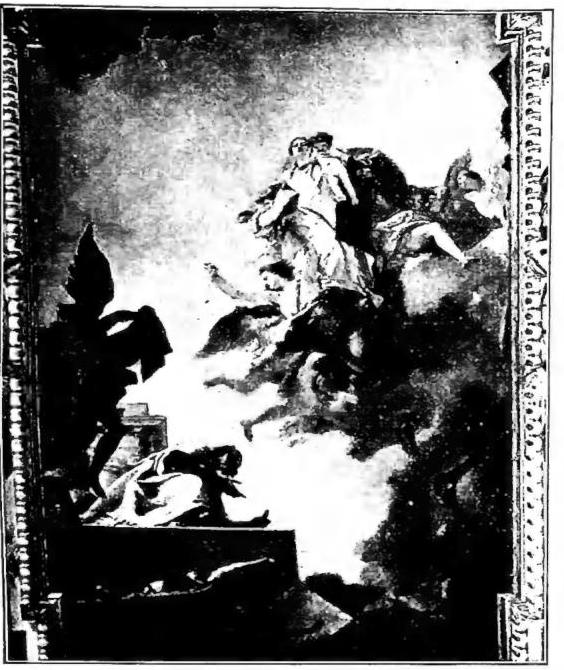
(phot. Alinari)
He wrote: Summa theologica, o Institutio in sacra pagina (unpublished, in six manuscripts; cf. Glorieux [art. cit. in bibl.], col. 2126) divided into 8 parts, in which all of theology is developed, with a preference for de sermone theologico, de Deo e de paenitentia; Expositio in symbolum Athanasii (ed. in Bibliotheca Casinensis: Florilegium, IV, Montecassino 1880, pp. 322-46); Abbreviatio in sententiis Petri Lombardi (ms. of Troyes 1371): a simple compendium of the Lombard; Disputationes (ed. J. Warichez, Les disputationes de Simon de Tournai, in Spicilegium sacrum Lovaniense, XII, Louvain 1932): his principal and most original work, where in 102 discussions (the disputatio attained scientific dignity with S. di T.) he touches upon almost all dogmatic and moral subjects, with dialectical skill and constant recourse to sources, showing himself sincerely traditionalist and totally orthodox (in contrast to the rumors spread about him). An admirer of Aristotle, he became more independent from St. Augustine on controversial questions, but managed to formulate in a happy expression the limits and relations of reason to faith: «Apud Aristotelem argumentum est ratio faciens fidem, sed apud Christum argumentum est fides faciens rationem. Unde Aristoteles: intellige ut credas, sed Christus: crede et intelliges» (beginning of the commentary on the Quicunque). His influence was considerable at the end of the 12th century and the beginning of the 13th century: followed by Alain of Lille and Martin de Fugeriis, he was cited with honor by William of Auxerre and St. Albert the Great.