ANGELICO da Bari. – A French ascetic writer from the province of the Reformed Friars Minor of Bari, lecturer in theology, died in Bitetto in 1704. He compiled his instructions *de modo orandi*, which he delivered every Saturday to

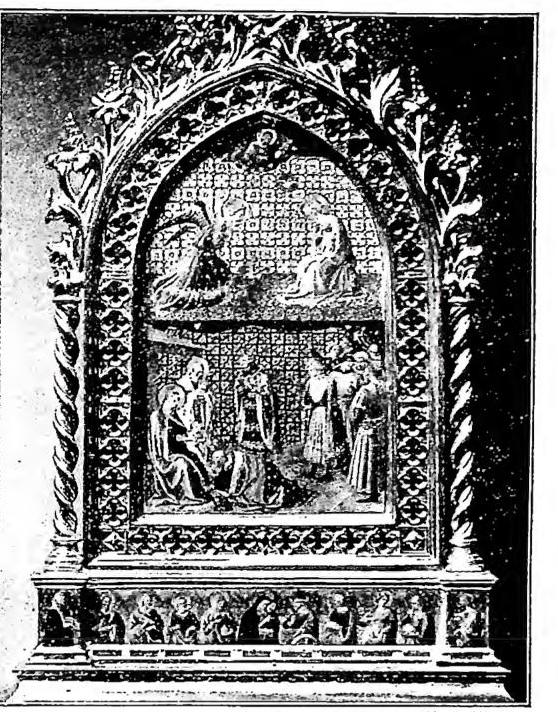
Angelico, Blessed – Tabernacle with Annunciation and Adoration of the Magi – Florence, Museo di S. Marco.
ANGELICO, BLESSED
Angelo Audino
Angelo Audin
Angelo Audino
Angelo Audin
Angelo Audino
Angelo Audin
Angelo Audino
Angelo Audin
Angelo Audin
Angelo Audino
Angelo Audin
Angelo Audino
Angelo Audin
Angelo Audin
Angelo Audino
Angelo Audin
Angelo Audino
Angelo Audin
Angelo Audin
Angelo Audino
Angelo Audino
Angelo Audin
Angelo Audino
Angelo Audino
Angelo Audin
Angelo Audin
Angelo Audino
Angelo Audin
Angelo Audino
Angelo Audin
Angelo Audin
Angelo Audino
Angelo Audin
Angelo Audino
Angelo Audino
Angelo Audin
Angelo Audin
Angelo Audino
Angelo Audin
Angelo Audino
Angelo Audin
Angelo Audino
Angelo Audino
Angelo Audin
Angelo Audino
Angelo Audin
Angelo Audin
Angelo Audino
Angelo Audin
Angelo Audino
Angelo Audin
Angelo Audin
Angelo Audino
Angelo Audino
Angelo Audin
Angelo Audino
Angelo Audino
Angelo Audin
Angelo Audin
Angelo Audino
Angelo Audin
Angelo Audino
Angelo Audin
Angelo Audino
Angelo Audin
Angelo Audin
Angelo Audino
Angelo Audino
Angelo Audin
Angelo Audino
Angelo Audino
Angelo Audin
Angelo Audin
Angelo Audino
Angelo Audin
Angelo Audino
Angelo Audin
Angelo Audino
Angelo Audin
Angelo Audino
Angelo Audin
Angelo Audino
Angelo Audino
Angelo Audin
Angelo Audino
Angelo Audin
Angelo Audin
Angelo Audino
Angelo Audin
Angelo Audin
Angelo Audino
Angelo Audino
Angelo Audin
Angelo Audino
Angelo Audin
Angelo Audino
Angelo Audino
Angelo Audin
Angelo Audino
Angelo Audin
Angelo Audino
Angelo Audin
Angelo Audino
Angelo Audin
Angelo Audino
Angelo Audin
Angelo Audino
Angelo Audin
Angelo Audino
Angelo Audin
Angelo Audino
Angelo Audin
Angelo Audino
Angelo Audin
Angelo Audino
Angelo Audin
Angelo Audino
Angelo Audin
Angelo Audino
Angelo Audin
Angelo Audino
Angelo Audin
Angelo Audino
Angelo Audin
Angelo Audino
Angelo Audin
Angelo Audino
Angelo Audino
Angelo Audin
Angelo Audino
Angelo Audin
Angelo Audino
Angelo Audin
Angelo Audino
Angelo Audin
Angelo Audino
Angelo Audin
Angelo Audino
Angelo Audin
Angelo Audino
Angelo Audin
Angelo Audino
Angelo Audin
Angelo Audino
Angelo Audin
Angelo Audino
Angelo Audin
Angelo Audino
Angelo Audin
Angelo Audino
Angelo Audin
Angelo Audino
Angelo Audin
Angelo Audino
Angelo Audin
Angelo Audino
Angelo Audin
Angelo Audino
Angelo Audin
Angelo Audino
Angelo Audin
Angelo Audino
Angelo Audino
Angelo Audin
Angelo Audino
Angelo Audino
Angelo Audin
Angelo Audin
Angelo Audino
Angelo Audin
Angelo Audino
Angelo Audin
Angelo Audino
Angelo Audin
Angelo Audino
Angelo Audin
Angelo Audino
Angelo Audin
Angelo Audino
Angelo Audin
Angelo Audino
Angelo Audin
Angelo Audino
Angelo Audin
Angelo Audino
Angelo Audin
Angelo Audino
Angelo Audin
Angelo Audino
Angelo Audin
Angelo Audino
Angelo Audin
Angelo Audino
Angelo Audin
Angelo Audino
Angelo Audin
Angelo Audino
Angelo Audin
Angelo Audino
Angelo Audin
Angelo Audino
Angelo Audin
Angelo Audino
Angelo Audin
Angelo Audin
Angelo Audino
Angelo Audin
Angelo Audino
Angelo Audin
Angelo Audino
Angelo Audin
Angelo Audino
Angelo Audin
Angelo Audino
Angelo Audino
Angelo Audin
Angelo Audino
Angelo Audin
Angelo Audino
Angelo Audin
Angelo Audino
Angelo Audin
Angelo Audino
Angelo Audin
Angelo Audino
Angelo Audin
Angelo Audino
Angelo Audin
Angelo Audino
Angelo Audin
Angelo Audino
Angelo Audin
Angelo Audino
Angelo Audin
Angelo Audino
Angelo Audin
Angelo Audino
Angelo Audin
Angelo Audino
Angelo Audin
Angelo Audino
Angelo Audin
Angelo Audino
Angelo Audino
Angelo Audin
Angelo Audino
Angelo Audin
Angelo Audino
Angelo Audin
Angelo Audino
Angelo Audin
Angelo Audino
Angelo Audin
Angelo Audino
Angelo Audin
Angelo Audino
Angelo Audin
Angelo Audino
Angelo Audin
Angelo Audino
Angelo Audin
Angelo Audino
Angelo Audin
Angelo Audino
Angelo Audin
Angelo Audino
Angelo Audin
Angelo Audino
Angelo Audin
Angelo Audino
Angelo Audin
Angelo Audino
Angelo Audin
Angelo Audino
Angelo Audin
Angelo Audino
Angelo Audin
Angelo Audino
Angelo Audin
Angelo Audino
Angelo Audin
Angelo Audino
Angelo Audin
Angelo Audino
Angelo Audin
Angelo Audino
Angelo Audin
Angelo Audin
Angelo Audino
Angelo Audino
Angelo Audin
Angelo Audino
Angelo Audin
Angelo Audin
Angelo Audino
Angelo Audin
Angelo Audino
Angelo Audino
Angelo Audin
Angelo Audino
Angelo Audin
Angelo Audin
Angelo Audino
Angelo Audino
Angelo Audin
Angelo Audin
Angelo Audino
Angelo Audin
Angelo Audin
Angelo Audino
Angelo Audin
Angelo Audino
Angelo Audin
Angelo Audino
Angelo Audin
Angelo Audino
Angelo Audin
Angelo Audino
Angelo Audino
Angelo Audin
Angelo Audin
Angelo Audino
Angelo Audin
Angelo Audin
Angelo Audino
Angelo Audino
Angelo Audin
Angelo Audin
Angelo Audino
Angelo Audino
Angelo Audin
Angelo Audino
Angelo Audin
Angelo Audin
Angelo Audino
Angelo Audin
Angelo Audino
Angelo Audino
Angelo Audin
Angelo Audino
Angelo Audin
Angelo Audin
Angelo Audino
Angelo Audino
Angelo Audin
Angelo Audin
Angelo Audino
Angelo Audin
Angelo Audino
Angelo Audin
Angelo Audino
Angelo Audin
Angelo Audino
Angelo Audin
Angelo Audino
Angelo Audin
Angelo Audino
Angelo Audin
Angelo Audino
Angelo Audino
Angelo Audin
Angelo Audin
Angelo Audino
Angelo Audin
Angelo Audino
Angelo Audino
Angelo Audin
Angelo Audin
Angelo Audino
Angelo Audin
Angelo Audino
Angelo Audin
Angelo Audino
Angelo Audin
Angelo Audino
Angelo Audin
Angelo Audino
Angelo Audino
Angelo Audin
Angelo Audino
Angelo Audin
Angelo Audin
Angelo Audino
Angelo Audino
Angelo Audin
Angelo Audin
Angelo Audino
Angelo Audin
Angelo Audino
Angelo Audin
Angelo Audino
Angelo Audin
Angelo Audin
Angelo Audino
Angelo Audin
Angelo Audin
Angelo Audino
Angelo Audin
Angelo Audin
Angelo Audin
Angelo Audino
Angelo Audino
Angelo Audin
Angelo Audin
Angelo Audino
Angelo Audin
Angelo Audino
Angelo Audin
Angelo Audino
Angelo Audin
Angelo Audino
Angelo Audin
Angelo Audino
Angelo Audin
Angelo Audin
Angelo Audino
Angelo Audin
Angelo Audino
Angelo Audin
Angelo Audin
Angelo Audino
Angelo Audino
Angelo Audin
Angelo Audino
Angelo Audino
Angelo Audin
Angelo Audino
Angelo Audin
Angelo Audino
Angelo Audin
Angelo Audino
Angelo Audin
Angelo Audino
Angelo Audin
Angelo Audin
Angelo Audino
Angelo Audin
Angelo Audino
Angelo Audino
Angelo Audin
Angelo Audino
Angelo Audin
Angelo Audino
Angelo Audin
Angelo Audino
Angelo Audino
Angelo Audin
Angelo Audino
Angelo Audin
Angelo Audino
Angelo Audino
Angelo Audin
Angelo Audino
Angelo Audin
Angelo Audino
Angelo Audin
Angelo Audino
Angelo Audin
Angelo Audino
Angelo Audin
Angelo Audino
Angelo Audin
Angelo Audino
Angelo Audino
Angelo Audin
Angelo Audino
Angelo Audin
Angelo Audino
Angelo Audino
Angelo Audin
Angelo Audino
Angelo Audin
Angelo Audino
Angelo Audin
Angelo Audino
Angelo Audin
Angelo Audino
Angelo Audin
Angelo Audino
In prayer before setting to paint, or indeed in tears when tracing the likeness of the Saviour. Supposed by some always a part of the Gothic world, he is seen by others agnostically as an artist of transition; and in his own century he was unhappily compared to Giotto and Cimabue (among them Domenico da Corella) or contrasted for his “vezzoso et divoto et ornato molto” manner with Masaccio (Landino). Nor are those justified who in the 19th century, extolling along Vasari’s lines the mysticism of A., would have him continue the “empirical Giottesque method” in chiaroscuro (Aleardi) or compare his poetic figurative creations to the sublime visions of Dante in the *Paradiso* (Father Marchese). The fruitful pictorial work proves how the painter belongs entirely to his time, how—starting from late Gothic, drawing on living and up-to-date experience—he was fully aware of the innovations of the Renaissance, from the science of perspective to the unity of light and form, an experience that enabled A. to give life to an elevated figurative world that, in its spirituality, does not contrast with the *novus ordo*. And modern criticism now places the great master within the ambit of the Renaissance.
The author has a distinctive, tightly structured development that moves from miniature-like modes reflected in his own smooth, clear, vibrant, luminous, and refined painting style, which he does not abandon even when painting on walls, preferring dry techniques over fresco or mixed methods. It is likely that the young Dominican frequented Lorenzo Monaco—Florence’s leading painter at the turn of the 15th century on the Gothic path—at the Camaldolese monastery of the Angels. This is confirmed by the echoes of Lorenzo Monaco in the author’s work. A certain contact is provided by the 1409 diurnal from the Laurentian Library (ms. no. 3), where, alongside the vibrant initials by the school of the Angels and certain passionate, thorny prophets revealing Lorenzo Monaco and one of his pupils, some compositions—including the Resurrection and others such as the Dance of David—display an idealized and serene sense of beauty akin to that of Ghiberti’s second door, within the delicate linear harmonies derived from the Camaldolese monk, combined with captivating archaic elements and a clear, luminous, and precious palette characteristic of the author. If the author left the Fiesole convent in 1409, he could have pursued this work in his Foligno cell as well. However, during the years he spent away from Florence—completely obscure in terms of his art—he could not align himself with the Renaissance, which was making its first figurative experiments with Donatello. Thus, a panel admired in the Museum of San Marco—the author’s museum—dated around 1418, with the Madonna of wooden profile, still retains, in its static three-dimensional stance, the sinuous and calligraphic contours of Lorenzo Monaco’s Gothic style, as confirmed by the inflection of the Child’s body, even though the fervent asceticism of the Camaldolese has vanished in the calm whiteness of the melancholic Virgin and the virile type of the small Jesus, always idealized in a Ghibertian manner. Gentile da Fabriano’s passage through Florence briefly turns the author toward the decorative sonorities of the Northern world (Madonna of the Stroganoff Collection in Leningrad), followed by light forms of extreme delicacy (Madonna Van Beuningen in Rotterdam)
which prepare us to savor the abstract idealism of works such as *The Virgin among Saints* in the Vatican Picture Gallery, *The Madonna of the Star*, and the small tabernacle with *The Annunciation* and *The Adoration of the Magi* in the Museum of S. Marco, of external splendor and clear forms arranged with secure order in space that makes one think of the teaching of Masaccio. The author thus inserts himself into the Renaissance, and his subsequent abundant productivity shows compositional textures subordinated to the perspective vision that enhances the static quality of the images, from the triptych of S. Domenico in Fiesole (transformed into a panel by Lorenzo di Credi and partly repainted) and from the small panel with the Madonna, the Child, and Angels in the Städel Museum in Frankfurt, up to the *Incoronation* and the *Last Judgment* in the Museum of S. Marco, where even in two memorable predella pieces, *The Espousals* and *The Death of the Virgin*, structural echoes of the new order appear that the author bends to his aspirations as a religious painter. Following the various stages of his development, in the gigantic *Madonna of the Linen-Drapers* (1433) he monumentally exalts the solemn austerity of the Mother of God and the dominion of the Child, standing, resembling a small archaic idol in a reprise of the Tuscan “maestà” of the 13th-14th centuries. And, while the saints on the shutters too openly reveal in the enlargement of their forms the effort to achieve monumentality, the three scenes of the predella embody figures of broader scope in the defined space of the Renaissance. In these, the collaboration of assistants emerges, who rarely in the copious productivity of the master reveal their personal accents, remaining almost always absorbed into the pictorial language of Fra Giovanni; of whom a pure product referable to this moment is *The Naming of the Baptist* (before 1435) in the Museum of San Marco, which arranges solid and noble figures within the enclosure of a suburban villa on which stands out a fine Renaissance door. This powerful squaring is observed in the *Deposition* formerly in S. Trinita, devoid of any pathetic excess and with
a luminous unity that lends a glass-like brilliance even to the mountainous landscape where a city on a slope—fantastical evocation of Cortona—teems with multicolored houses, worthy of the fairy-tale world of Paolo Uccello. Even if in this work one finds the portrait of Michelozzo, as Milanesi suggests, the man as much as the environment are interpreted through a poetic vision that turns everything toward abstraction. The same occurs in the enchanting altarpiece of the Gesù in Cortona with the Annunciation set within the secure perspective of a Renaissance portico upon a meadow dotted with flowers, a celebrated painting also for the predella where the episode of the Visitation has as its backdrop a view from life with a stretch of Lake Trasimeno and Castiglion del Lago, of an exceptionally tonal chromaticism for the artist, which makes one think of a possible intervention by the young Piero della Francesca. In the political figures of S. Domenico in Cortona and in the Pinacoteca in Perugia, the figures constrained within precise limits against the gold ground assume a more collected and less volumetric aspect. But the damaged altarpiece (c. 1438–40) of S. Marco in Florence, in presenting to us the Sacred Conversation typical of the Renaissance, structures groups receding into space, on either side of the impeccable and precious throne that has become the altar to the gentle central group. The landscape, Eden-like, thick with cypresses, pines, and palm trees with a placid bluish lake, mirror of the sky, and the deep horizon without atmosphere idealizes the real and adapts it to those silent or subdued saints, who, within the geometric rigor of the new science, find as well an abstraction that becomes a transcendence of human passion, the supreme quiet of the spirit. Among the predellas, a piece that belongs to this altarpiece (two others are in the Museum of S. Marco, three in that of Munich, one in the Louvre, and one in the Keller collection in New York): the Martyrdom of SS. Cosmas and Damian in the Gallery of Dublin features creatures that know no evil, even when disguised as executioners, and are sublimated by the nobility of the color that plays clear and joyful, a reflection of the artist’s soul, who in the regular framing of a Florentine piazza and in the constructed figures
cromatically he appears above all as an enlightened traveler. But in the convent of S. Marco, already belonging to the Silvestrine monks, renovated (from about 1437 to 1443) and adorned through the patronage of Cosimo the Elder de' Medici according to designs by Michelozzo and granted to the Dominicans, among the simple Renaissance architectures, the A. [Artist] unfolds an entire pictorial poem (from 1438 to 1445 and beyond). The paintings of the cloister with the Christ on the sarcophagus, the Pilgrim Jesus, Dominican Saints, the gentle Crucifixion— a subject particularly dear to the painter—depicted as S. Dominic kneeling at the foot of the cross, are all devout images always nobly idealized. The great Crucifixion in the chapter house presents, alongside the figures of Golgotha, a host of martyrs and Fathers of the Church all humbly imploring for mankind, according to a concept emphasized by Fra Giovanni Domenici in his *Libro d'amore della carità*; and below are half-length figures of saints and blessed of the Order. The fresco is above all an audacious but measured and cold attempt on the part of the A., not without the help of his pupils, to engage with a large wall (the red preparation of the background from which the ultramarine blue has fallen has dramatized a hasty and superficial illustrator on the unusual color of that sky!) in the service of Dominican culture. We find instead the A. more intimate and truer

Angelico. Blessed - Christ and S. Dominic (detail).
in the narrow walls of the cells, originally hidden from public view, revealing the pious joy of the painter in bringing to life—in an iconography often renewed by him—the chaste images of his mind, solely to move his brethren to religious thoughts. One need only pause among the many compositions, among which stand out the Transfiguration, the Resurrection, and the Coronation, before the Annunciation in the cell of S. Peter Martyr, certainly the highest of the others more well-known works to emerge after that of Cortona from the workshop of the A., including that in the same corridor of the convent of S. Marco. In the unadorned and whitewashed environment, the Angel unusually static and the Virgin maiden identify themselves in the two most delicate chromatic notes: the pink-violet tunic of the former and the light, tender pink of the latter, bathed in diffused light rationally coming from the left, where almost disappearing from our gaze is the timid habit of a monk whose whiteness blends with that of the walls. In the cells of S. Marco, the search for pure forms accompanies every fresco even if sometimes rhythm becomes more
plicated and if beside the light hand of the Master there sometimes appears the heavy hand of his pupils, such as Strozzi and Gozzini, who translate his designs. Now mention must be made, because slightly later than this pictorial decoration, of a panel coming from the chapel of the Compagnia del Tempio, with the Lamentation over Christ, of a rhythm much more compact and finished than that of the well-known panel by Giotto in the Uffizi, from which it derives, in that by turning the composition from vertical to horizontal it finds a place in a landscape realized on a vast scale, in broad lines, livid and leaden, perhaps reminiscent of Rome, whose depth and whose silence are heightened by the boundless walls of that uninhabited Jerusalem. Nor here does movement seethe or drama burst forth: the whole has a sense of stillness and concentrated contemplation. The latest shutters of the wardrobes (1448 and later) of the Santissima Annunziata with 35 stories, now in the Museum of San Marco, with figures more articulated and more fluid, due to the presence of various collaborators among whom Baldovinetti, Strozzi, and Gozzini can be recognized, appear somewhat discontinuous but with a clear and swift narrative and a lively tone, even if sometimes discordant in the luminous colors. For the Master is now the head of a school that turns his art, always imbued with poetry, to the prosaic, even in drawings such as the David in the British Museum, subtle and delicate.
From the collaboration of the two vaults of the Orvieto Duomo with the Christ the Judge between angels and the choir of prophets preserve in their entirety the high tone of the Master. And it is to the master’s credit that he led his creatures from the glory of altarpieces and the seclusion of monastic cells and cloisters to the Cappella Niccolina in the Vatican, gathering them there to narrate the deeds of St. Lawrence and St. Stephen in visions of full monumental power, which assume a solemn value of “history,” at least in some compositions, such as the one where Lawrence is ordained deacon, despite certain details of inferior quality, of a nobility certainly noted by Melozzo da Forlì in his fresco with Sixtus IV and Platina; and the other with the Saint’s Almsgiving in which every illustrative and realistic aspect is surpassed in those beggars as if touched by divine grace that purifies and illuminates them with inner light. One of the points of arrival of the Blessed One thus coincides with the aim of instilling in men, freed from sin, the serenity of the Madonnas and
Saints, caressed by a brush guided by a spirit that dreams of a beautiful and pure otherworldly realm. And sterile is the research that seeks to explain the art of Fra Angelico through literary sources (Rio, Kraus, Broussole) or, more particularly, through Fra Giovanni Dominici (Maione). The pious readings, and even the writings of the beloved Dominican orator, may have deepened the great faith and religious culture of our artist and may even have inspired, as we have seen, some of his compositions. Yet Fra Angelico possessed the gift of an artistic personality too lofty for the innermost essence of his spiritual poetic language to depend on others; in particular, his serene and contemplative temperament would not allow comparisons with the exuberant and militant one of Dominici. The Christian humility that made Fra Angelico a friend of the poor, the purity that kept him from thinking or seeing evil, are the moral presupposition of his pictorial work. This work was not indifferent, as has been observed (Rothes), to the earthly world, which, as we have seen, Fra Angelico explored by turning his keen gaze beyond the cloister; while, on the other hand, one should not overemphasize

as a careful monographer does (Langton Douglas) regarding the influence of antiquity and nature, since his art reveals, as has been well said, the immanence of God. Fra Angelico, by recreating the sensible in an abstract world created for men of faith, asserts more imperiously than any other in painting the religious aspect of that spiritual unity which is the Renaissance. Yet great is his historical importance as well. Beyond the collaborators, disciples, and followers encountered along his long path (Battista Sanguini, Zanobi Strozzi, Domenico di Michelino, Andrea di Giusto, Giovanni di Consalvo, Pesellino, Benozzo Gozzoli, the Umbrians, etc.), we may say that the Florentine painters between 1440 and 1450, and especially those who came to Florence at that time, felt the charm of his art, as did Jean Foucquet in Rome; an art which towers high, like the moral figure of the man. - See Plates CVII-CX.