
MONROVIA, APOSTOLIC VICARIATE OF. - This is the name recently assumed by Liberia (v.), following the division (2 February 1950) of its territory to establish the Apostolic Prefecture of Cape Palmas.
The boundary is marked by the Negben or Cestos River. The approximately most reliable data for the present, thus diminished Apostolic Vicariate are as follows: area 53,240 sq km; inhabitants 1,750,000, Catholics 3,826, of whom 92 are foreign; indigenous priests 1, foreign priests 11; 2 major and 2 minor seminaries; teachers 43; schools 13, with 2,711 pupils.
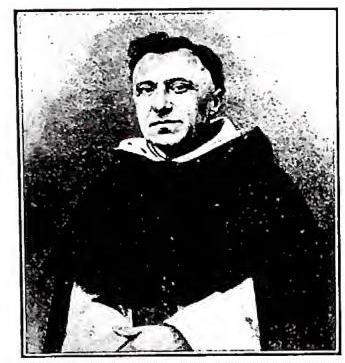
(from P. Fernessole, Les Conférenciers de Notre-Dame, II, Paris 1868, 1869, pp. 155-55) MONSABRÉ, JACQUES-MARIE-LOUIS - Portrait.
From 1857 to 1865 he delivered the 40 conferences of Introduction au dogme catholique, which, collected in four volumes, are still today one of the most complete and effective courses in propaedeutics and apologetics of revealed truth. During that same period, M. preached with great success in Brussels and London. In Advent 1869 he ascended the pulpit of Notre-Dame in Paris for the first time to address a highly topical subject: Le Concile et le Jubilé. Called by Mgr Darboy, archbishop of Paris, in 1870 to succeed Fr. Félix in preaching the Lenten sermons, he was prevented from doing so by the Franco-Prussian War until 1872. In his first Lenten series at Notre-Dame he developed the theme: Radicalisme contre radicalisme, dealing with the duties of Christians toward the family and society. The 108 conferences of Exposition du dogme catholique were delivered from 1873 to 1890; they were regularly followed, from 1872 to 1890, by the Retraites pascales, preached during Holy Week in preparation for Easter. He also wrote: Discours et panégyriques (6 vols.); Petits coréines (2 vols.); La prédication Avant-Pendant-Après; La prière (2 vols.); Philosophie et théologie de la prière; La prière divine ou le Pater; Petites méditations pour la récitation du St-Rosaire; Gouttes de vérité (a small philosophical and religious dictionary); Or et alliage dans la vie dévote (an ascetical work teaching how to distinguish reasonable devotion from its easy counterfeits).
M.’s talent and oratorical works won the unanimous admiration of his contemporaries, in France and abroad; he remains even today a model orator: master of speech, he commands the entire field of divine and human knowledge, always demonstrating profound familiarity with Sacred Scripture, the holy Fathers, theology, history, and the profane sciences. His oratory is less brilliant and ingenious than Lacordaire’s, but more substantial and persuasive; his speech is always clear.
Almost all M.’s works were translated into Italian: the Introduction and the Exposition by Mgr G. Bonomelli (new ed., Turin 1947–51, with notes and appendices).