
PALENCIA, Diocese of. - Diocese of Castile, suffragan of the metropolis of Burgos; it is situated in the province of the same name, except for a few parishes belonging to the dioceses of Santander and Valladolid. Territorial extent 7711 sq. km., population 260,000, all Catholic, 350 parishes, 430 secular priests, 19 regulars.
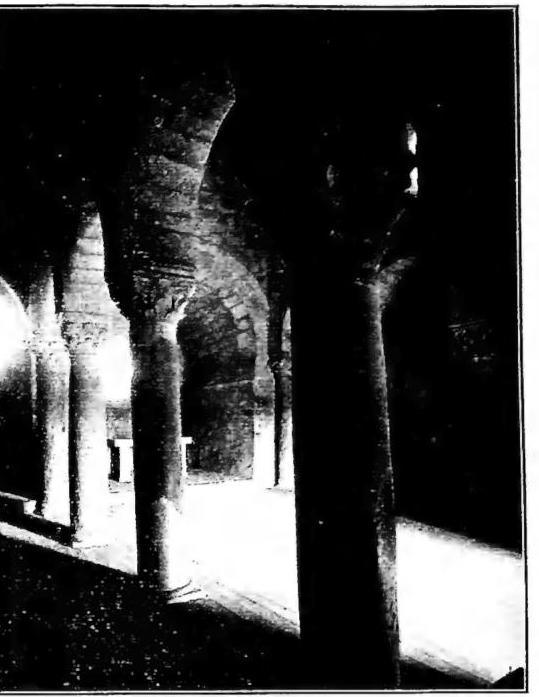
This diocese is claimed to have been founded in the 3rd century, but the first reliable records are from the 6th century. After the capital and other nearby cities were destroyed by the Moors in 750, one part of its territory was annexed by King Alfonso III in 905 to the diocese of Oviedo and then another part to that of Burgos; in the same 11th century, however, P. reappears once again very extensive, that is, as the foundation document says, "from the river Cea up to its confluence with the Duero, from the source of the river Pisuerga up to the castle of Peñafiel, including this district and that of Portillo and the 7 churches up to the Duero." In the erection of the diocese of Valladolid in 1595, a good part of the territory of P. was taken away to form the new bishopric. The bishop of P., from 1181, by privilege of King Alfonso VIII, had civil jurisdiction over certain villages of the valley of Pernia, which formed the county of Pernia, a title granted in the 15th century for the part the bishop had in the conquest of Antequera; for this reason, down to the present, the prelates are called counts of Pernia. The patron of the diocese is St. Antolin (feast 2 September) and its own saints: St. Francis of Capillas (16 January), St. Ildephonsus, bishop (23 January), St. Julian, bishop (26 January), St. Pedro Gonzales Telmo (14 April), St. Toribio (16 April), St. Peter de Dueñas (19 May), St. Mancio, bishop (21 May), St. Zoilus (27 June), St. Peter Oxomense (2 August), St. Francis of Jesus, martyr (3 September). The cathedral church, whose first stone was blessed by Card. William of St. Sabina, legate a latere of Pope John XXII, was begun in 1321 under Bishop John II and was finished in 1516. It belongs to a very pure Gothic style, has 3 naves and a crypt, partly of the 7th century, partly of the 10th. The cloister is of the 15th century. The Treasury of this church and its Archive are very rich. The major Seminary is from 1584, the minor one, of Carrion de los Condes, is from 1896.