
PITTONI, GIAMBATTISTA. — Painter, born in 1687, perhaps in Venice, died there on 17 November 1767.
He received the first rudiments of art from his uncle Francesco, a mediocre painter, but various contemporary Venetian artists contributed to his formation: Grassi, Balestra, Bencovich, and the young Tiepolo. Through them he gradually developed a style of his own which, owing to its cosmopolitan qualities, earned him widespread fame and numerous commissions from throughout Europe. He nevertheless never left Venice, working actively and teaching at that Ac-
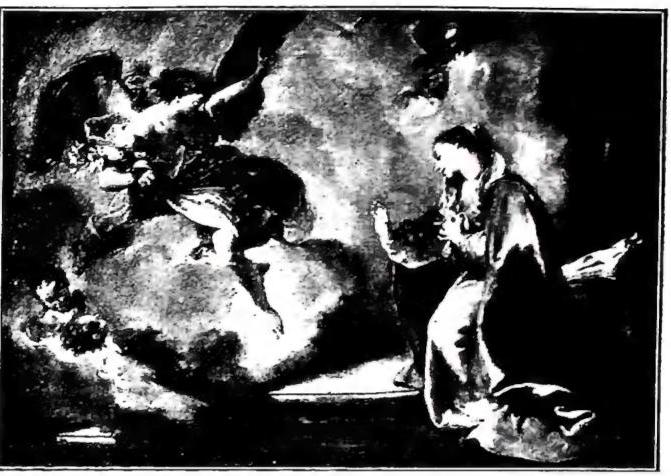
Lo stile del P. è caratterizzato da un colore vivo e frizzante, da forme sciolte e movimentate, da una naturale leggiadria che a volte diventa leziosaggine ma che, specie nelle piccole composizioni, dà luogo ad opere piene di grazia e di vivacità. Da ricordare: del 1721 ca. il Martirio di S. Tommaso (chiesa di S. Stae, Venezia), del 1723 la Madonna e santi (S. Corona, Vicenza) dalle forme nervose e dai forti contrasti di tinte vivaci; di ampio respiro: la Moltiplicazione dei pani (Accademia, Venezia) e la Presentazione di Maria al Tempio (ivi, Palazzo Pisani); al quarto decennio appartengono diversi quadri a piccole figure, di gusto accentuatamente rococò: la Continenza di Scipione (Louvre), il Trionfo di Alessandro (Escurrale), il Sacrificio di Polissina (coll. Cook), ecc. Quadri di altare dello stesso periodo si trovano a Brescia (S. Maria della Pace), Verona (S. Maria in Organo), Vicenza (Duomo). L'Annunciazione, dal P. donata all'Accademia di Venezia, forse nel 1757, segna una ripresa di energia compositiva e vivacità cromatica, che però non avranno seguito. Dell'operosità del P., oltre ad innumerevoli tele sparse in collezioni pubbliche e private di tutto il mondo, si citano ancora la Diana e le ancelle e l'Olindo e Sofronia (Museo, Vicenza), il S. Tommaso (Borgo Val Sugana) e un soffitto recentemente ricuperato (duomo di Thiene); sono rimasti anche numerosissimi disegni che testimoniano, con i «modelletti», la costante e meticolosa elaborazione degli schemi e delle figure da parte del pittore.