
SANTA MARIA D'ARABONA. — The abbey of S. M. A. stands in the territory of Manoppello (Chieti), near a place where there was a temple dedicated to the goddess Orbona or Ara Deae Bonae.
Founded in 1208 by Cistercian monks perhaps coming from Casamari (Enlart), or from the Roman abbey of Tre Fontane near S. Paolo (Bertaus), it is one of the most significant monuments of Burgundian architecture in central Italy. Its first abbot was St. Aldemaro. Built, like Casamari and Fossanova, of travertine, it is quite similar to them in its ground plan. Inside, the extremely dense interweaving of ogives and ribs, which stretch nervously from the capitals and corbels to the keystones, links it closely to the prototypes of Burgundy. Construction, begun from the choir, was not completed, however: for unspecified reasons, the work stopped at the second bay of the nave, which may be presumed to have been intended to include at least five more. In a restoration recently completed (1951), the unstable foundations were consolidated, the apses isolated, the interior and exterior cleared of superstructures, and the façade wall renewed in the section that now serves as the front elevation. The present plan is therefore a Greek cross. The choir is rectangular, and the transept has on either side two small chapels arranged on the axis of the apse. Three large rose windows open in the walls of the transept ends and at the rear of the choir. The building is dominated by the system of the triple arch, or double archivolt, already used in Abruzzo at S. Clemente at Casauria, a characteristic structural element of the Burgundian style. The sculptural decoration of the capitals and corbels, with stylized cauliculi and foliage, likewise derives from beyond the Alps.
The constructive rigor evident in the choir and transept slackens, however, in the naves: from this it may be inferred that construction continued into the thirteenth century, at first under the direct supervision of the Cistercian builders and later with the participation of local craftsmen. The documents show that, after a brief period of prosperity, the monastery was already in decline by 1330. In 1587 it became a commendatory abbey of the Collegio di S. Bonaventura in Rome. In the choir, besides the ciborium and
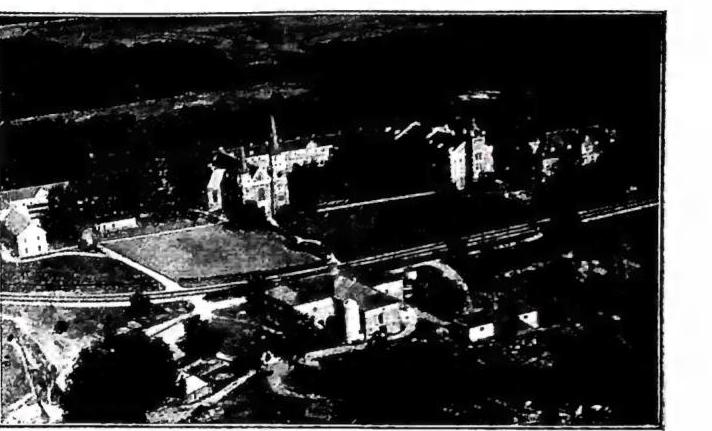
Dell'antico convento, oggi adibito ad uso privato, restano scarsi avanzi, quasi tutti alterati nel corso dei secoli. Di grande interesse è però la sala capitolare, le cui strutture originali sono riconoscibili al di sotto del rivestimento ottocentesco.