
ANDRIA, DIOCESE of. - In Puglia, with an area of 1250 sq. km., it extends over three municipalities in the province of Bari, and one in the province of Potenza; it is a suffragan of Trani. It includes 20 parishes, 91 diocesan and 14 regular priests, 110,000 inhabitants, all Catholic. The
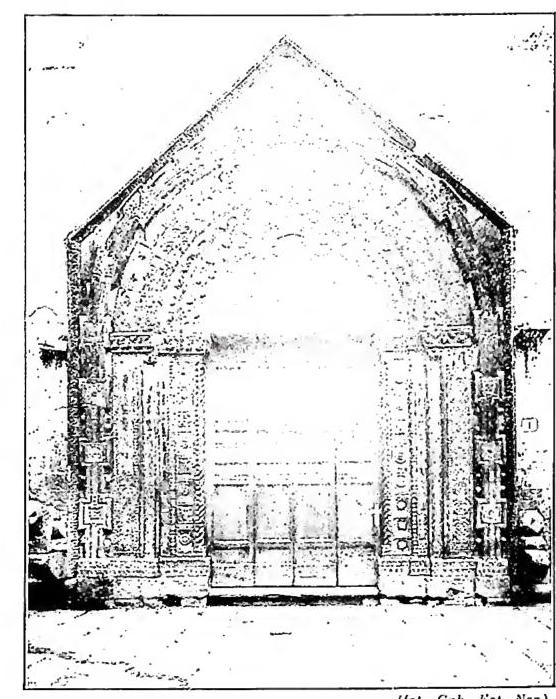
It is claimed that A. was founded by colonists from Andros, led by Diomedes, whereas its origins appear to date back to Peter the Norman, count of Trani (1046); it was the favored residence of Frederick II. A county and later a duchy of the Del Balzo family, annexed in 1496 to the kingdom of Naples through the marriage of Elisabetta Del Balzo to Frederick of Aragon, it retained the title of duchy, which passed (1518) to the Carafa family. The tradition tracing the erection of the bishopric back to Gelasius I around 482 is erroneous; it is a matter instead of Gelasius II, who is said to have appointed the Englishman St. Richard there. The first bishop of whom there is certain information appears in 1143; the regular succession begins in the 14th century. In 1452 the diocese of Montepeloso was united with A. and again separated in 1479. In 1818 the territory of the diocese of Canosa was annexed to A. and the bishopric of Minervino incorporated. Among the illustrious men of A. we may mention Pope Leo V and the Dominican Pietro d'A., a disciple of St. Thomas.
Abbeys and monasteries: S. Bartolomeo and S. Maria; numerous Basilian convents and subterranean churches built by these monks who took refuge in the territory between the 9th and 10th centuries to escape the persecutions of the Saracens. - Vedi Tav. CVI.
Nocmi Crostarosa Scipioni