
ARETINO, PIETRO. — Man of letters, born in Arezzo in 1492, died in Venice on 21 October 1556. He spent his early youth in Perugia. From there, or perhaps from Siena, he went to Rome, where he remained until the death of Leone X, making both friends and enemies. During the period extending from the death of Leone to the election of Adriano VI, A. wrote his most violent pasquinades, because of which he was forced to leave Rome before the arrival of the Flemish Pontiff. He was given shelter by Giovanni delle Bande Nere, who formed a warm friendship with him. When Clemente VII was elected pope, he returned to Rome; but after various vicissitudes, including being attacked and stabbed, he was finally compelled to leave it, taking refuge once again with Giovanni delle Bande Nere and shortly thereafter witnessing from there
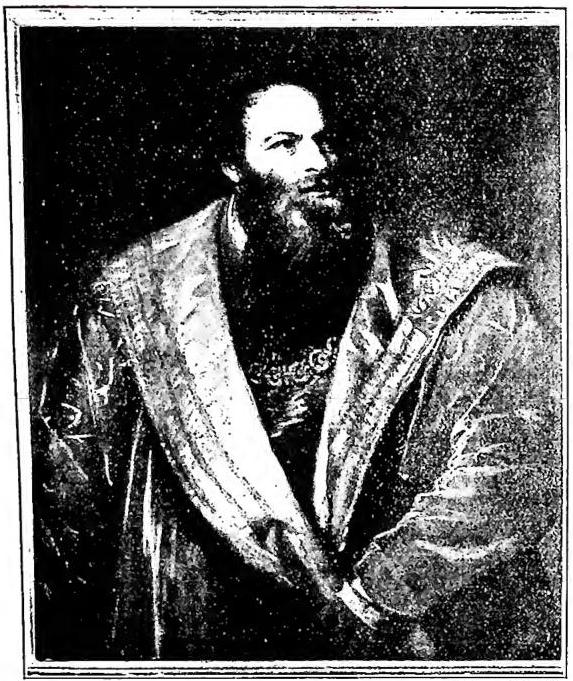
He wrote on everything: chivalric poems left unfinished, a burlesque poem entitled Orlandino, the immensely famous letters collected in 6 volumes, five comedies, a tragedy, Orazia, and Dialoghi of a scurrilous nature, as well as spiritual books, such as L'Umanità di Cristo, Le Prose Sacre, and the lives of the Virgin, s. Tommaso d'Aquino, and s. Caterina, though without religious conviction or understanding.
Intent on enjoyment, power, and fame, he had no scruples whatsoever in obtaining all these things. When times changed, he wished to change his methods, but he remained insincere. His asceticism was entirely external and affected. Nevertheless, his letters and comedies contain passages of tenderness and goodness which, while revealing him as a poet, show that not everything in him was corrupted. He was an exceptionally refined connoisseur of art and a passionate admirer of beauty.