
GEMINIANO, saint. — Bishop of Modena from approximately 344 to 396. In all probability he is the same Geminianus episcopus who, in 390, at the Council of Milan, commissioned the presbyter Apro to sign the decree condemning Jovinian. His eminent holiness and apostolic zeal are remembered in a living and constant tradition, but the earliest Lives, dating no earlier than the eighth century, are legendary and modeled on that of s. Zeno of Verona. Archaeological excavations have proved that an ancient basilica was erected over his tomb at an early date, not far from the present one. On 30 April 1106, according to the Relafo of a contemporary author, the tomb was transferred to the present Duomo, begun in 1099; on 7 October, when the sepulcher was opened, « Corpus eius integrum et illibatum aspicitur »; on the 8th, after being honored with gifts from Countess Matilda and Dodone, bishop of Modena, the body was enclosed in the tomb, which Pope Paschal II consecrated as an altar. On 12 July 1184, according to a contemporary inscription, Lucius III « ipsius corpore ostenso, ecclesiam beati Geminiani consecravit ». Further evidence of his cult in Modena includes the Saint’s arm, in a silver reliquary; sculptures by Wiligelmo (1099–1106) and Agostino Duccio (1442); parchments in the Chapter Archives dating from the eighth century (P. E. Vicini, Regetto,
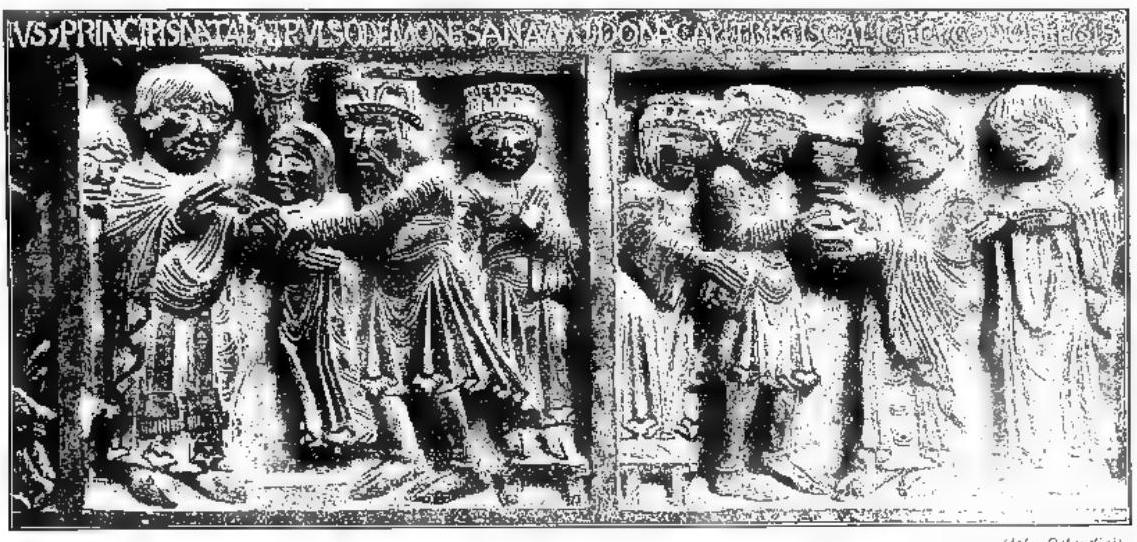
I, pp. 3 ff.), mentioning the Saint or the tomb, or concerning donations made in his honor, or indulgences granted by the pontiffs to those who visit his tomb (P. Galavotti, Regesto dei documenti di indulgenze elargite alla Chiesa Cattedrale di Modena, Modena 1940); coins minted by the Este family and others bearing the effigy of s. G.; ancient confraternities and hospitals dedicated to him; and historical visits and pilgrimages (C. Cavedoni, Cenni storici intorno alla vita e i miracoli del glorioso s. G., Modena 1856, pp. 77–80, 101–104, 122). Five kilometers from Modena, at Cognento, traditionally regarded as his birthplace, there is the «miraculous spring» of s. G. He is venerated in various dioceses of northern Italy—for example, in Venice since the sixth century, where there was an ancient church, rebuilt by Sansovino but later destroyed. He is patron of: the archdiocese of Modena, the diocese of Pontremoli, and the town of S. Gimignano in Valdelsa, so called in his honor at least since the tenth century. Feast on 31 January. Other feasts: 9 March (patronage), 29 April (translation).