ESTE, FAMIGLIA D'

ESTE, FAMIGLIA d'. - It descended from a branch of the Obertenghi, of Lombard origin. Alberto Azzo II (d. 1097), great-grandson of the margrave Oberto I, who lived in the 10th century, established his residence in the fief of Este and thus considered himself the progenitor of the Este family. His eldest son, adopted as heir by his uncle Welf III of Carinthia and appointed by Henry IV as duke of Bavaria, continued, under the name of Welf IV, the Welf line. From the other son, Folco, descended the Italian branch, which, with his son Orizio (d. 1193), moved to Ferrara, where the Este contested supremacy in the city with the Ghibelline Torelli.

Orizio I was succeeded by his nephew Azzo VI (d. 1212), who initially sided with Otto IV, but after the latter's death adhered to Innocent III and was entrusted by him with accompanying Frederick II to Germany. Of his children, Aldobrandino (d. 1215), engaged in conflict with Padua, lost the castle of Este; Beatrice I became a nun and blessed (v.); the other son Azzo VII (d. 1264), who succeeded his brother, fought against Frederick II, took part in the battle of Parma, and was proclaimed podestà by the Ferrarese, thus laying the foundations of the lordship. He led the league that in 1259 defeated Ezzelino. One of his natural daughters, Beatrice II (v.), married Andrew II, king of Hungary. Since Azzo VII's son Rinaldo had predeceased him, he was succeeded by Rinaldo's natural son, Orizio I (d. 1293), who was an ally of Charles of Anjou and in 1288-89 took control of Modena and Reggio. His daughter Beatrice married first Nino, judge of Gallura, and then Galeazzo Visconti (v. Dante, Purg., VIII, vv. 73-81). With the other son, Azzo VIII (d. 1308), a period of decline began.

A league of hostile lords caused him to lose Modena and Reggio. At his death, disputes over succession allowed the Angevins to occupy Ferrara in the name of Clement V, who left it in their custody. But in 1317 the Ferrarese rebelled, recalling the nephews of Azzo VIII and their cousins, Rinaldo, Niccolò, and Obizzo, who adhered to the Ghibelline faction. After the ill-fated descent of Louis the Bavarian, Rinaldo (d. 1335) reconciled with the Pope and received Ferrara back as a papal fief. In 1336 Orizio II (d. 1352), taking part in the league against John of Bohemia, recovered Modena, of which his son Aldobrandino (d. 1361) received investiture from Charles IV. Aldobrandino was succeeded by his brother Niccolò II (d. 1388), and then by their other brother Alberto (d. 1393), who was allied with Gian Galeazzo Visconti and Venice against the Carraresi. Alberto founded the University of Ferrara in 1391. His natural son Niccolò III (d. 1411) consolidated the family's power. A dissolute and cruel prince (discovering an affair between his wife Parisina Malatesta and his stepson Ugo, he put both to death), yet a

Article illustration
(10. Aldobrandi)
These, a family of the Este — Bocca d'Este administers justice and goes hunting. Allegory by Francesco del Cossa (ca. 1470). — Ferrara, Palazzo Schifanoia.

Niccolò III (d. 1441), after the death of Gian Galeazzo Visconti, expanded his domains, and in the wars between Filippo Maria Visconti and Venice, skillfully maneuvering between the contenders, managed to preserve them. He was succeeded by his natural son Leonello (d. 1450), a pupil of Guarino, who reformed the University of Ferrara and made the city one of the major centers of Renaissance culture. He was followed by another natural son of Niccolò, Borso (d. 1471), who, like his brother, was an enlightened patron of the arts and succeeded in obtaining from Frederick III the title of Duke of Modena and from Paul II, in 1471, that of Duke of Ferrara. Under his name is known one of the richest codices in the world: the Borso Bible, executed by his order in Ferrara between 1455 and 1461, now in the Biblioteca Estense in Modena (cf. G. Treccani degli Alfieri, *La Bibbia di Borso d'Este*, Milano [1942]). Borso was succeeded by Ercole I (d. 1505), legitimate son of Niccolò III, who in the war with Venice lost the Polesine and during the descent of Charles VIII remained neutral. Of the children of Ercole, Beatrice was the wife of Lodovico il Moro; Isabella, wife of Francesco II, and her brother, gained wide fame for their refined culture; Ippolito (v. below) became a cardinal. The other son, Alfonso I (v. Ferrara), married in second nuptials Lucrezia Borgia, by whom he had Ippolito II (v. below), a cardinal. He was succeeded by the son of his first wife Anna Sforza, Ercole II (d. 1539), who reconciled with the Church at the time of Paul III and later became an ally of Paul IV against Spain. By his wife Renata of France, Ercole had Luigi (v. below), a cardinal, Lucrezia, wife of Francesco Maria della Rovere Duke of Urbino, and Eleonora, both famous for their relations with Tasso, and Alfonso II (v. Alfonso II d'Este, duca di Ferrara). With him the legitimate line of Niccolò III came to an end; and by his designation Cesare (d. 1638), son of a bastard of Alfonso I, was to succeed him, but Urban VIII refused to recognize him and waged war against him. Cesare entrusted the negotiations to Lucrezia Duchess of Urbino, who concluded the Convention of Faenza (1598) whereby Ferrara passed to the Church and Cesare retired to Modena. Here he was succeeded by his son Alfonso III (d. 1644), who was the father of Rinaldo, cardinal and bishop of Reggio. Alfonso, after the death of his wife Isabella of Suavia, became a friar and abdicated in favor of his son Francesco I (d. 1658), who fought first

LATALAIA

The term *La Talaia* (Catalan for "the watchtower") refers to several periodicals and publications, primarily of a religious or Catholic nature, that emerged in Catalonia and other Spanish-speaking regions during the 19th and 20th centuries. The name evokes the idea of vigilance, observation, and defense of faith and doctrine, often in contexts of cultural or political tension.

Article illustration

The most notable among these was *La Talaia*, a weekly Catholic magazine founded in Barcelona in 1869. It served as a platform for the dissemination of religious, moral, and social teachings in line with the Magisterium of the Church, particularly during periods of anticlericalism and secularization in Spain. The publication was closely linked to the intellectual and pastoral efforts of the Catalan clergy, addressing contemporary issues such as education, social justice, and the role of the Church in modern society. It featured contributions from prominent theologians, philosophers, and writers of the time, including figures associated with the *Renaixença* (Catalan cultural revival).

Article illustration

Other publications bearing the same or similar names appeared in different regions and periods, often reflecting local concerns. For instance, *La Talaia* of Valencia (late 19th century) focused on defending Catholic values in the face of liberal and republican influences. In some cases, the title was adopted by lay Catholic associations or youth groups as a symbol of their commitment to spiritual and doctrinal vigilance.

The recurring use of *La Talaia* as a title underscores the metaphorical role of the "watchtower" in Catholic thought: a position from which to observe, warn, and guide the faithful amid the challenges of the times. The publications typically combined doctrinal rigor with a pastoral tone, aiming to fortify the faith of readers while engaging with broader cultural and political debates.

BIBL.:
- *Enciclopèdia Catalana*, s.V. *La Talaia*;
- M. Batllori, *La cultura catalana en el segle XIX*, Barcelona 1964;
- J. M. Cuenca Toribio, *Historia de la Iglesia en España*, Madrid 1991;
- F. de P. Solá, *Prensa católica en Cataluña*, Barcelona 1975.

A. M. Javierreia, la Talaia, la Talaia, la Talaia, la Talaia, la Talaia, La Talaia, la Talaia, la Talaia, la Talaia, la Talaia, la Talaia, a Talaia, la Talaia, la Talaia, la Talaia, la Talaia, la Talaia, la Talaia, La Talaia, la Talaia, la Talaia, la Talaia, la Talaia, la Talaia, a Talaia, la Talaia, la Talaia, la Talaia, la Talaia, la Talaia, la Talaia, La Talaia, la Talaia, la Talaia, la Talaia, la Talaia, la Talaia, a Talaia, la Talaia, la Talaia, la Talaia, la Talaia, la Talaia, la Talaia## TALAIA

The term *Talaia* (from the Arabic *ṭalāʾiʿ*, meaning "watchtower" or "lookout") refers to elevated points used for observation, particularly in a military or coastal context. In the history of the Mediterranean, *talaie* (plural of *talaia*) were strategically positioned towers or hilltop posts designed to monitor movements at sea or along borders, enabling early warnings of approaching threats, such as pirate raids or enemy fleets.

In Sicily and southern Italy, the term is often associated with the network of watchtowers constructed during the medieval and early modern periods, especially under Aragonese and Spanish rule. These structures were part of a broader defensive system that included signal fires, flags, or acoustic signals (e.g., bells or horns) to relay messages across long distances. The *talaie* were typically manned by guards (*taliatori* or *atalaiatori*), who were responsible for vigilance and communication with neighboring posts or fortified towns.

The *Talaia* of Palermo, for instance, was a prominent lookout point overlooking the Gulf of Palermo, playing a crucial role in the city's defense. Similarly, the *Talaia* of Messina was part of a coastal surveillance system that extended along the Strait of Messina, a critical maritime passage. In some cases, the term was also applied to natural elevations used for the same purpose, even in the absence of constructed towers.

Beyond their military function, *talaie* occasionally served as landmarks for navigation, aiding sailors in orienting themselves along the coast. Their legacy persists in toponymy, with numerous locations in Sicily, Calabria, and other Mediterranean regions bearing the name *Talaia* or its variants (e.g., *Torre della Talaia*, *Monte Talaia*).

BIBL.:
- Amari M., *Storia dei Musulmani di Sicilia*, Firenze 1854-1872;
- Bresc H., *Un monde méditerranéen: économie et société en Sicile, 1300-1450*, Roma 1986;
- Corrao P., *Governare un regno: poteri e istituzioni in Sicilia fra Trecento e Quattrocento*, Palermo 1991;
- Fasolo M., *La Sicilia dei "taliatori": organizzazione e costi della difesa costiera nel Regno di Sicilia (secc. XIV-XVI)*, in *Mediterranea. Ricerche storiche*, 2006.

A. MUSCOla Talaia, la Talaia, La Talaia, la Talaia, la Talaia, la Talaia, la Talaia, la Talaia, a Talaia, la Talaia, la Talaia, la Talaia, la Talaia, la Talaia, la Talaia, La Talaia, la Talaia, la Talaia, la Talaia, la Talaia, la Talaia, a Talaia, la Talaia, la Talaia, la Talaia, la Talaia, la Talaia, la Talaia, La Talaia, la Talaia, la Talaia, la Talaia, la Talaia, la Talaia, a Talaia, la Talaia, la Talaia, la Talaia, la Talaia, la Talaia, la Talaia, La Talaia, la Talaia, la Talaia, la Talaia, la Talaia, la Talaia, a Talaia, la Talaia, la Talaia, la Talaia, la Talaia, la Talaia, la Talaia, La Talaia, la Talaia, la Talaia, la Talaia, la Talaia, la Talaia, a Talaia, la Talaia, la Talaia, la Talaiaaia, La Talaia, la Talaia, la Talaia, la Talaia, la Talaia, la Talaia, a Talaia, la Talaia, la Talaia, la Talaia, la Talaia, la Talaia, la Talaia, La Talaia, la Talaia, la Talaia, la Talaia, la Talaia, la Talaia, a Talaia, la Talaia, la Talaia, la Talaia, la Talaia, la Talaia, la Talaia, La Talaia, la Talaia, la Talaia, la Talaia, la Talaia, la Talaia, a Talaia, la Talaia, la Talaia, la Talaia, la Talaia, la Talaia, la Talaia, La Talaia, la Talaia, la Talaia, la Talaia, la Talaia, la Talaia, a Talaia, la Talaia, la Talaia, la Talaia, la Talaia, la Talaia, la Talaia, La Talaia, la Talaia, la Talaia, la Talaia, la Talaia, la Talaia, a Talaia, la Talaia, la Talaia, la Talaia, la Talaia, la Talaia, la Talaia, La Talaia, la Talaia, la Talaia, la Talaia, la Talaia, la Talaia, a Talaia, la Talaia, la Talaia, la Talaia, la Talaia, la Talaia, la Talaia

Julius, having organized with Count Albertino Boschetti and others a plot to kill Alfonso and Ippolito and give the duchy to Ferrante, was arrested by Ippolito, who suspected the plot in Alfonso’s absence. Boschetti was executed along with other accomplices. The two Este brothers, spared their lives, remained imprisoned: Ferrante died there in 1540; Julius emerged extremely aged in 1559 and died two years later.

Ippolito maintained a very large court, among whose gentlemen were Celio Calcagnini, Annibale Collecchio (son of Pandolfo), Guido Postumo Silvestri, and many others named in the last canto of the *Orlando Furioso*; but the most famous was Ludovico Ariosto, who entered his service in 1563 and was dismissed in 1571 for refusing to follow him to Hungary. Ariosto dedicated the *Orlando Furioso* to him; yet the fact that the cardinal would not pardon his disobedience, the poet’s complaints in the *Satire* against the lord who turned him from poet to groom, and the alleged witty appreciation of the poem have created for Ippolito a reputation as an overbearing and uncultured prince. In reality, though violent and authoritarian in temperament, he possessed wide culture, a lively passion for music, and love for the arts, as attested by his cordial relations with Leonardo da Vinci. It is highly probable that the mocking remark attributed to him is pure legend, since the earliest references appear only in seventeenth-century French authors, from whom Italian writers of the eighteenth century reproduced II.

Bibl.: G. Bertoni, *L'Orlando Furioso e la Rinascenza a Ferrara*, Modena 1919, passim; M. Catalano, *Vita di Ludovico Ariosto*, Geneva 1931, passim.

IPPOLITO II D'E. — Cardinal, born in Ferrara on 25 Aug. 1509 to Alfonso I and Lucrezia Borgia, died at Tivoli on 2 Dec. 1572. Still a boy, he received the archbishopric of Milan, and later those of Lyon, Orléans, etc. In 1538 Paul III created him cardinal in pectore; he was proclaimed the following year. He was entrusted with the French Protectorate and represented the French party in the Sacred College.

In 1552 Henry II sent him as his lieutenant to Siena against the Spaniards and the Medici, but Ippolito d'E. quarreled with Strozzi and abandoned the enterprise. He fell into disgrace with Paul IV, who banished him and stripped him of the governorship of Tivoli. He regained favor under Pius IV, who in 1561 sent him as legate *a latere* to Catherine of France. In 1566, when Alfonso II left Ferrara to fight the Turks, he governed the duchy. He was a munificent patron of men of letters and artists. He began the construction of the Villa d'E. at Tivoli, completed by Cardinal Luigi d'E.

Bibl.: V. Pacifici, *Ippolito II d'E.*, Tivoli 1923.

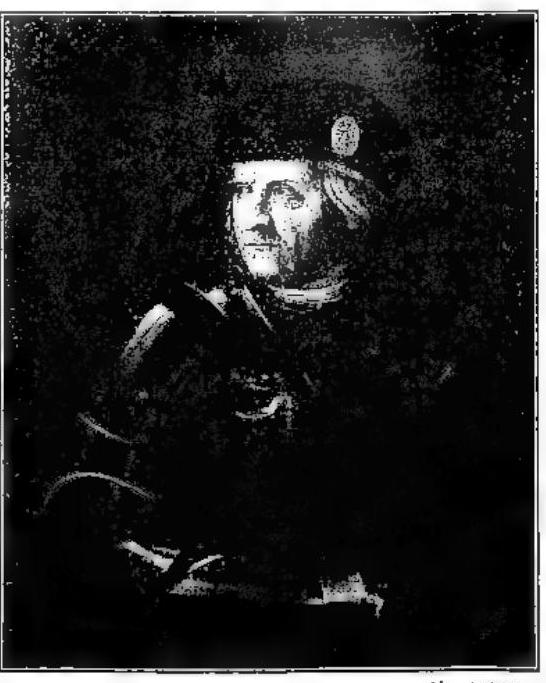
LUIGI D'E. — Cardinal, b. at Ferrara on 25 Dec. 1538 to Ercole II and Renata of France, d. at Rome on 30 Dec. 1586. He was Archbishop of Ferrara and in February 1561 was created cardinal by Pius IV. He enjoyed the protection of France. He wished to lay aside the purple in order to marry, but the Pope would not permit II. In 1580, owing to incidents provoked by the arrogance of his servants, Gregory XIII banished him from the State; but a few months later the ban was revoked through the intervention of the French ambassador. From 1565 to 1572 Torquato Tasso was among his gentlemen. — See pl. XLIII.

Bibl.: V. Pacifici, Luigi d'E., in Atti e memorie Soc. Tiburtina di storia e d'arte, 1910 (1929-30), pp. 3-128; 1912 (1931-32), pp. 262-316; 1916 (1936), pp. 5-50; 1917 (1937), pp. 154-302; 1919 (1938-39), pp. 173-78; 1920 (1940-41), pp. 125-56.

Roberto Palmarocchi