
RACHELE (Hebr. Rāhēl). — Giacobbe (v.). At the suggestion of his mother Rebecca (Gen. 27:46), Giacobbe goes to Mesopotamia to choose a wife from his own family. Having reached “the land of the Easterners” (ibid. 29:1), near Haran (ibid. 29:4), Giacobbe meets R., Laban (v.), Rebecca’s brother, and therefore his cousin.
The meeting at the well, where the young woman had brought her flock to drink, is described in idyllic terms (ibid. 29:10–12). Having asked for R. in marriage, and being unable to offer a gift to his future father-in-law according to the marriage customs of the time, Giacobbe declares himself willing to serve him for seven years. But Laban, wishing first to settle his elder daughter Lia, substitutes her for R. during the night, and Giacobbe is compelled to remain for another seven years in order to have his beloved R. as well (ibid. 29:15–18). While Giacobbe spends his seven years in Laban’s house, Lia, who was given precedence
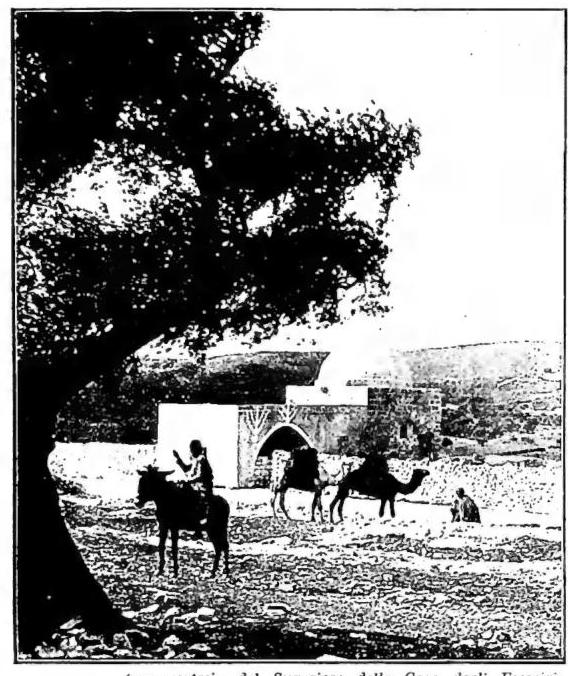
When Jacob departs from Mesopotamia, R. cannot bring herself to part with the statuettes of the household gods (ibid. 31:34–35). Upon entering Palestine, R. and her son still appear as Jacob’s favorite, and he assigns them the safest place in the caravan (ibid. 33:2). R. dies giving birth to her second son, Benjamin (v.), along the road between Bethel and Ephrath, that is, in the vicinity of Ramah (cf. I Sam. 10:2; Jer. 31:15), and not at Bethlehem, as the current text has it as a result of a very ancient gloss (Gen. 35:19). This gloss, together with the tradition of a tomb near Bethlehem, led the Evangelist to apply Jeremiah’s moving verse to the massacre of the Innocents (Mt. 2:18).