
Enciclopedia Cattolica Vol. IV, 1950 Missions

Conforti, Guido Maria

Italian original Cite

CONFORTI, GUIDO MARIA. - Bishop, b. at Ravadese (Parma) on 30 March 1865, d. at Parma on 5 Nov. 1931. He did his studies at Parma, always first or among the first. On 22 Sept. 1888 he was ordained a priest. In 1902 he was preconized archbishop of Ravenna. Because of a serious illness he had to withdraw. Restored to health, in 1908 he succeeded Msgr. Magani at Parma. After 24 years of laborious episcopate he died in the fame of sanctity, mourned by the people. Ten years after his death the diocesan process on the fame of sanctity was held, and the acts were presented in Rome.
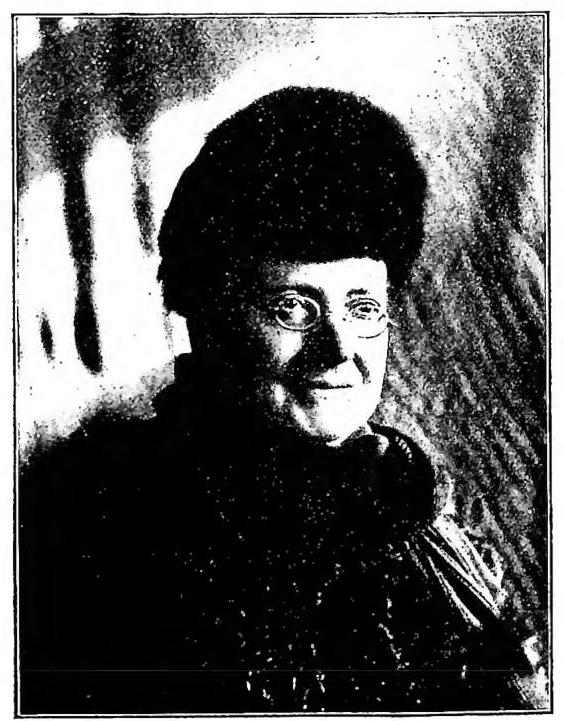
CONFORTI, GUIDO MARIA - Photographed on the occasion of his journey from China, via Siberia.
CONFORTI, GUIDO MARIA - Photographed on the occasion of his journey from China, via Siberia.(courtesy of the fathers of the Pious Society of St. Francis Xavier)

Having taken over the government of the diocese of Parma, he was concerned above all with having a good, learned, active clergy. He celebrated a first synod in 1914 and a second after the publication of the Code of Canon Law, publishing its acts.

He founded the monthly bulletin Eco di Curia and rebuilt the Society of the Free Missionaries of the Sacred Heart, once flourishing and then decayed. He took part, above all with a notable personal contribution, in the episcopal conferences of Emilia. He held and presided over several congresses for various purposes and promoted various works of charity. He concerned himself particularly with the catechism, which he imposed in the form of a school. He instituted the Society of Culture among the clergy, which every month held conferences on topics of current interest. In 1922, on the occasion of political conflicts, he worked for peace and interposed his mediation.

When Fr. Manna conceived the idea of organizing the clergy into a great union for a uniform and continuous work for the missions, he turned to Msgr. C., who assured him of his own participation.

But the work for which Msgr. C. will remain marked in the history of the missions is the Pious Society of St. Francis Xavier for the Foreign Missions. In 1920 he went to visit its missions in China. He opened houses of the institute in the Veneto, in Lombardy, in the Marches, in Lucania.

Bibliography5 works
BIBL.: L'Eco di Curia, the first 23 volumes from 1909 to 1932: G. Bonardi, G. M. C., Parma 1935; R. Cioni, G. M. C., ibid. 1944; Allocuzioni di S. E. mons. G. M. C., Tientsin 1934; C. V. Vanzini, G. M. C., ibid. 1949; G. Barsotti, Il servo di Dio G. M. C., Parma 1949.

Giovanni Bonardi

About this entry

By Giovanni Bonardi

How we know signed in print

Translated from the Enciclopedia Cattolica, vol. IV (1950), coll. 256–257.

Printed pages Open in the page viewer
Page 164
vol. 4, coll. 255–256
Page 165
vol. 4
Page 166
vol. 4
Page 167
vol. 4, coll. 257–258

More by Giovanni Bonardi: Asiatic Civilization, East · Pontifical Society of Saint Francis Xavier for Foreign Missions

Cite this article

Chicago

Bonardi, Giovanni. “Conforti, guido maria.” In Enciclopedia Cattolica, vol. IV, coll. 256–257. Città del Vaticano: Ente per l’Enciclopedia Cattolica e per il Libro Cattolico, 1950. https://azioneromana.com/article/conforti-guido-maria.

MLA

Bonardi, Giovanni. “Conforti, guido maria.” Enciclopedia Cattolica, vol. IV, Ente per l’Enciclopedia Cattolica e per il Libro Cattolico, 1950, coll. 256–257. Azione Romana, https://azioneromana.com/article/conforti-guido-maria.

BibTeX

@incollection{ec4_conforti_guido_maria,
  author    = {Bonardi, Giovanni},
  title     = {Conforti, guido maria},
  booktitle = {Enciclopedia Cattolica},
  volume    = {IV},
  pages     = {256--257},
  note      = {Cited by column},
  publisher = {Ente per l’Enciclopedia Cattolica e per il Libro Cattolico},
  address   = {Città del Vaticano},
  year      = {1950},
  url       = {https://azioneromana.com/article/conforti-guido-maria}
}

One of some 20,000 entries brought back from the twelve printed volumes (1948–54). Spotted something? Help us improve it.

Save for later

Enter your email and we will send you a sign-in link. No password. What you save (articles, verses, chapters, documents) follows you to any device.