
ISIDORO. – Metropolitan of Kiev (1436–58); cardinal-bishop of Sabina (1439–63), united patriarch of Constantinople (1459–63). Born at Mesembria in Greece, he was a monk of the monastery of Demetrius in Constantinople. The Byzantine authorities sent him as legate to the Council of Basel (1433) and then as successor to Metropolitan Gerasius in Moscow (1437), with the task of winning that kingdom for the hoped-for union of the Churches.
Without becoming very acclimatized to Moscow, he went to Ferrara in 1437. At that Council, where he served as delegate of the patriarch of Antioch, I. was one of the most zealous promoters of the union. After the close of the Council (which moved to Florence), I. set out in 1436 for Moscow, passing through Lithuania. In Moscow he succeeded in having the decree of union proclaimed, but was then arrested by the grand duke; after many adventures he escaped during Easter of 1444 and took refuge in Budapest, where King Ladislaus of Hungary-Poland granted the basic privilege to the united communities of Lithuania-Poland. From Siena, Pope Eugene IV sent him to Constantinople; there, together with the united patriarch Gregorios Mammas, he consecrated a bishop for Volhynia. He was not, however, able at that time to witness the proclamation of the union at Constantinople. He nevertheless experienced this joy on his second journey in 1453, shortly before the city’s fall to the Turks, which he witnessed. From then on he lived in Rome, where he died on 27 April 1463.
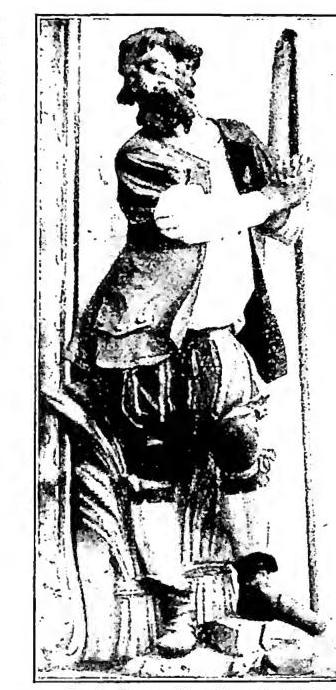
(from J. Braun, Tracht und Attribute der Heiligen in der deutschen Kunst, Stocarda 1933, fig. 286)