
RICOLDO DA MONTECROCE. – Dominican traveler and apologist, b. in Florence ca. 1243, d. there on 31 October 1320. He entered religious life in his native city in 1267 and for several years taught the liberal arts at Pisa (1272–87), Prato (1287–88), and Florence (1288). In 1288, by order of Niccolò IV, he began his journey to the East. He traveled through Palestine (in memory of which he called himself da Montecroce), Little Armenia, Turkey, and Persia, working for the union of the Jacobites in Mossul
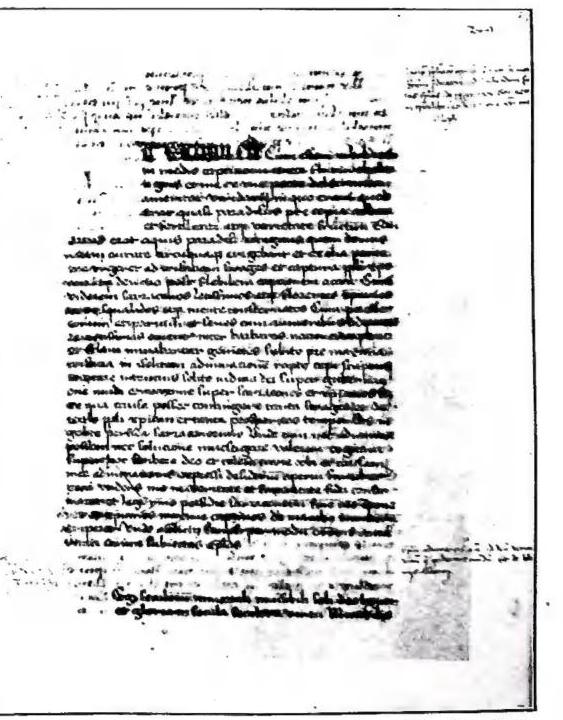
R. left an account of his journey, the Liber peregrinationis, in which he describes in detail the places he visited in the Holy Land, while he is briefer in his topographical indications concerning the remainder of the journey as far as Baghdad. In this second part he dwells at greater length on describing the history, customs, characteristics, and religious beliefs of the peoples of the countries he visited. He speaks especially of the Mongols, Tartars, and Sabians, of whom he is the first to provide extensive information. The Liber peregrinationis was published by C. M. Laurent, in Peregrinationes medii aevi quattuor (Leipzig 1864, pp. 101–41); Italian editions by V. Fineschi (Florence 1793), incomplete, and by F. L. Polidori-F. Grottarelli-L. Bianchi (Siena 1864). Information about R.’s journey is also found in his Epistolae V ad Ecclesiam triumphantem (ed. R. Röhrich), in Archives de l'Orient latin, 2 [1884], pp. 258–96). Also important is R.’s Improbatio Alcorani (Seville 1500), a study of Islam, composed in Florence in 1320. Translated into Greek by Demetrius Cydones (around 1360) and from the Greek retranslated into Latin by B. Picerno (Rome 1506), this retranslation went through many editions and caused the original to be forgotten; it was also used by Migne (PG 144, 1035–1152).