
ALBANI, FAMIGLIA. – Two Albanian refugees, Giorgio and Filippo di Michele de' Lazi, who had previously fought under the command of Giorgio Castriota Scanderbeg, disdaining to remain in their homeland, which had fallen under Turkish rule, took refuge in Urbino, where Federico and Guidobaldo di Montefeltro employed them in affairs of war and peace. They took the surname Albanesi, which ALTOBELLO, Giorgio’s son, changed to A. and passed down
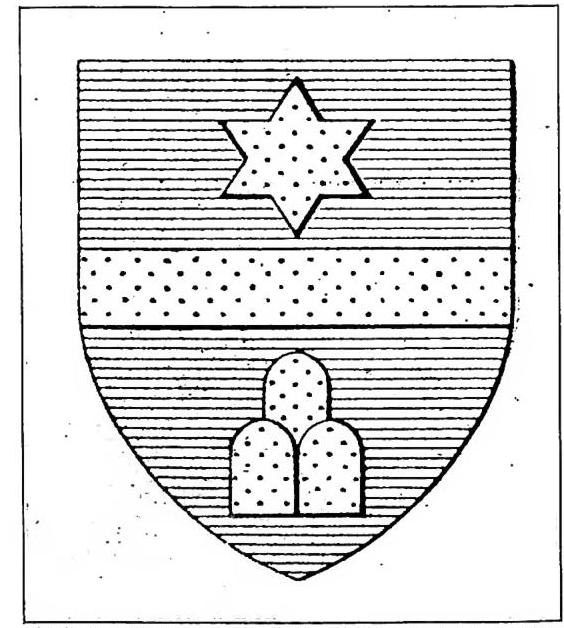
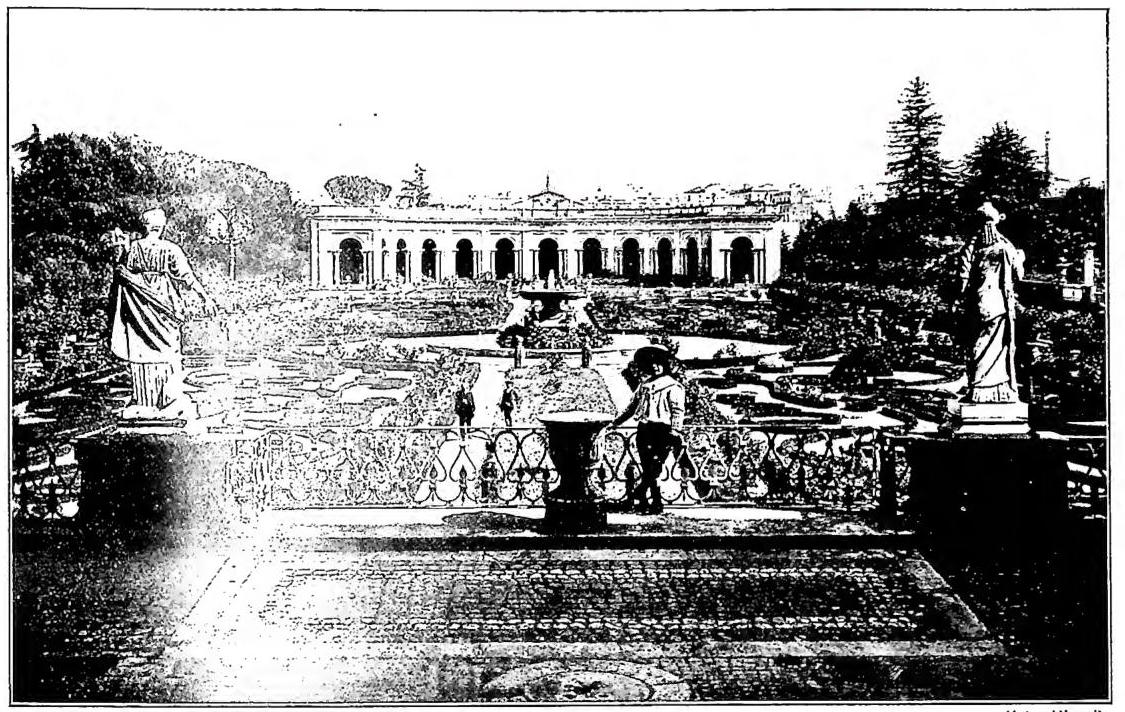
(phot. Albani)
According to the customs of the time, as a consequence of this election, the A. family acquired Roman patrician status, princely nobility, and curial offices, but no greater wealth, because Clement XI, faithful to Innocent XII’s constitution against nepotism, denied his brother and nephews substantial money and dignities; only ANNIBALE, the son of his brother Orazio, was made a cardinal; ALESSANDRO, Annibale’s brother, received the cardinalate instead from Innocent XIII. Of the other two cardinals of the A. family, GIAN FRANCESCO was Carlo’s son and GIUSEPPE was the son of Orazio, brother of Cardinal Gian Francesco: both left a good memory of themselves. (For the individual cardinals vedi below).
The A. family died out in 1852 with FILIPPO, the last son of ORAZIO III. Primogeniture and entails passed, not without opposition, to the Castelbarco-Simonetti-Visconti family, through Antonia Litta Arese,
daughter of Elena, the sister of Orazio III, and wife, precisely, of a Castelbarco. The name nevertheless endures, not only because of the merit of Clement XI’s exemplary pontificate, but also because of the singular richness of the artistic collections that adorned Villa A. on the Via Salaria and the palace, formerly belonging to the Mattei, at the Quattro Fontane. Unfortunately, these collections were dispersed, though a considerable part of them ended up in the Vatican and Capitoline museums. An even worse fate befell the library, which, having been ceded to Prussia little more than a century later, sank in the sea off Civitavecchia. The library of Urbino, too, created by Clement XI, has for some years now been removed from its original location. – Vedi Tav. XLVII.