
GREGORIO II, POPE, saint. — He reigned from 715 to 731. Born in 669 at Rome, he accompanied Pope Costantino I (709–11) to Constantinople and took an active part in the negotiations concerning the approval of the canons of the Trallenum (692). He was the first Roman elevated to the See of St. Peter after a long succession of foreign pontiffs in the seventh century.
In 716 he received in Rome Duke Teodoro of Bavaria, the first pilgrim of that lineage, to whom he gave a written instruction in 13 chapters concerning the organization of the Church of Bavaria.
On 15 May 719, Winfrido Bonifacio received from him the mandate to go to Germany to convert the infidels and baptize them according to the Roman rite. Informed of Winfrido Bonifacio’s first apostolic successes, the same Pontiff consecrated him bishop on 30 Nov. 722, binding him to the Roman See by the oath of the bishops of the metropolitan province of Rome. The Benedictine Order, to which s. Bonifacio belonged, was the object of particular care on the Pope’s part. Five years of his pontificate, from 726 onward, were occupied by the struggle with the iconoclast emperor Leone III Isaurico. At his command
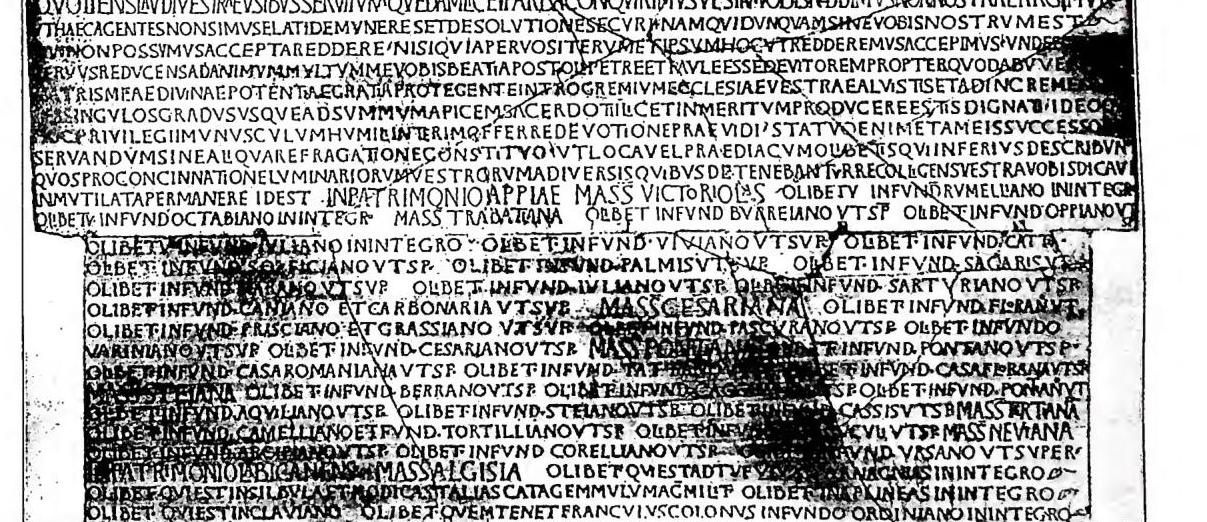
to impose the tax in the Roman duchy, G. II openly resisted. By this act he took part in the Italian national revolution against the despotic Byzantine government. If G. II, accused of crimen læseæ maiestatis, did not suffer the fate of Pope Martino I, he owed this not only to the Roman militia but also to the neighboring Lombard dukes, with whom he cultivated good relations.
This conflict, at first merely political, soon became religious as well because of the dispute concerning the veneration of sacred images, in which G. II rightly opposed Eastern caesaropapism. Pope G. II sent two letters to the Emperor, whose authenticity was established by E. Caspar. In courageous language the Pope writes, among other things: “All the West has great confidence in us and in him whose image you intend to destroy, in St. Peter, whom all the kingdoms of the West venerate as a god. We shall make our way to the most distant regions of the West, to those who ask for Holy Baptism.” He was nevertheless unable to undertake this journey, for death overtook him in Feb. 731. But the fact that he formulated and expressed such a design, an indication of the clairvoyance with which he perceived the Church’s mission at that historical moment, shows us in G. II the greatest Roman pontiff of the eighth century. His feast is celebrated on 13 Feb.