
MORIN (Morinus), JEAN. – Theologian and scholar of biblical textual criticism, born in Blois in 1591, died in Paris on 28 February 1659. Born to Calvinist parents, he studied philosophy, law, theology, and Oriental languages in Holland, in a Protestant environment. Returning to France, he converted to the Catholic Church (1617) and entered the Oratory (1618). At the invitation of Pope Urban VIII, he collaborated in Rome in 1639–40 on the project of reuniting the Greek Church with the Latin Church, especially in the discussions concerning the validity of ordinations in the Eastern Church. Later recalled to Paris by Cardinal Richelieu, he devoted himself entirely to the study of historical theology and sacred criticism.
Among his theological-historical publications, the following should be noted: De patriarcharum et primatum origine et antiqua censurarum in cleros praxi (Paris 1626); Commentarius historicus de disciplina in administratione Sacramenti Poenitentiae ... (ibid. 1651, and reprinted several times); De sacris Ecclesiae Ordinationibus... (ibid. 1655). Published posthumously: De catechumenorum expiatione, De Sacramento confirmationis, De contritione et attritione (ibid. 1703).
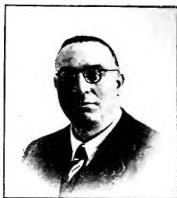
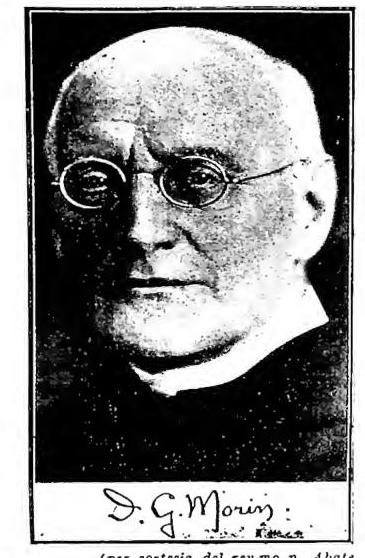
(courtesy of the Very Reverend Abbot of Maredsous) MORIN, LÉOPOLD-GERMAIN - RITRATIO.
He was especially aided by that exceptionally happy intuition which was his own in the exercise of that dangerous instrument of investigation which is internal criticism, and which guided him in his best identifications of texts. Traveling incessantly, he visited the most important European libraries, discovering new texts, correcting ancient attributions, and claiming for authors works assigned to others or left anonymous, thus making a notable contribution to higher scholarship. In 1907, having established his usual residence at the Abbey of S. Boniface in Munich, he was able to deepen his research in Bavarian and German libraries. The war of 1914 forced him to take refuge in Fribourg in Switzerland; returning to Munich in 1918, the Second World War forced him to return to Fribourg in 1939. He received honorary degrees from the most celebrated universities of Europe and was a member of the most distinguished scientific institutes.
He played a major role in the founding of the Revue bénédictine (1884), to which he continually devoted articles and notes. Of particular importance are his researches on the De Sacramentis attributed to s. Ambrose, on the mysterious Ambrosiaster, and on the Capitulare Evangeliorum of the Würzburg codex (Revue bénéd., 27 [1910], pp. 41–74); on the Micrologus; on the Athanasian Creed; and the critical editions of several unpublished treatises by the heretic Gotescalco and by Arnobius the Younger. He reclaimed the literary works of Gregory of Elvira, Pacian of Barcelona, and Nicetas of Remesiana, to whom he attributes the Te Deum. In the Anecdota Maredsoana (3 vols., Maredsous 1893–1903) he critically published the Mozarabic Liber comicus, Sancti Clementis Romani ad Corinthios epistolae versio latina antiquissima, Sancti Hieronymi Commentarioli in Psalmos; idem, Tractatus in Psalmos... in Esaiam tractatus etc., in addition to other texts. Researches smaller in scope, but not in importance, were included in: Etudes, Textes, Découvertes. Contributions à la littérature et à l'histoire des douze premiers siècles (1913). Great acclaim greeted: Sancti Augustini Sermones post Maurinos reperti, published in vol. I of the Miscellanea Agostiniana (Rome 1930); among these, 51 were