SAINT-DIÈ, DIOCESE OF. – Diocese and city, seat of a sub-prefecture in the department of the Vosges in France, situated on the banks of the river Meurthe.
It has the same boundaries as the department of the Vosges, with an area of 5,903 sq. km. and a population of 342,900 inhabitants, of whom 339,000 are Catholics, distributed in 485 parishes, served by 488 diocesan priests and 20 regular clergy; it has a major and minor seminary, 5 male religious communities and 145 female (*Ann. Pont. 1952*, p. 345). The patron saint of the diocese is St Deodatus.
The city originated from a Benedictine monastery founded in 669 by St Deodatus (st Diè). At the end of the 10th century among its provosts were Leo of the counts of Dagsburg-Egisheim, later Leo IX (v.), and numerous princes of the house of Lorraine. The city suffered greatly from wars from the 15th to the 20th century and from the fires that devastated it in the years 1065, 1155, 1354, 1757 and especially in 1944. The abbey of Remiremont was founded in the year 620 by St Romaric, a monk of Luxeuil; there was a monastery of monks and one of nuns. The building of Bodo Vecchio was founded to the south of Etival the monastery of Bontemouter.
The Benedictine abbey of Senones was founded in 640 by St Gondebert, archbishop of Sens, who gave it the name of Senoria. It was suppressed by the Revolution; the abbey church, transformed into a parish church, was rebuilt in Romanesque style in 1860; the monastic building, rebuilt in the 18th century, is today a private property. One of the last abbots was Dom Calmet, who died in 1757. To the monastery belonged the monk Richer, who in the 13th century wrote the chronicle known as that of Senones. The abbey of Moyenmoutier was founded by St Hidulf, bishop of Trier, at the end of the 7th century. Its name derives from its situation between the four abbeys of St-D., Bonmoutier, Etival and Senones. Etival is situated at the mouth of the Valange valley; it was originally a priory of the abbey of Ardlaun (v. STRASBURGO), and in 1146 became a Premonstratensian abbey suppressed in 1790. The ancient abbey church suffered greatly in the last war; it is in Cistercian style of the 12th century; the abbey was rebuilt in 1516, the naves are divided by pillars.
In the 16th century, given the long period of vacancy in the see of Toul, the abbots of these monasteries assumed a quasi-episcopal jurisdiction, and in the 18th century each of them was raised to the status of an abbey nullius.
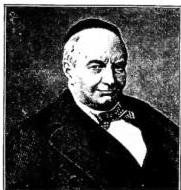
The diocese was created by Pope Clement XIV in 1777 by the division of the diocese of Toul, with the ancient monastic territories of St-D., Etival, Senones and Moyenmoutier. Suppressed in 1801, it became part of the diocese of Nancy; it was re-established by Pius VII in 1822. It was first a suffragan of Trier; since 1822 it has been under the metropolitan jurisdiction of Besançon. The bishop of St-D. from 1849 to 1876 was Mgr L. Caverot, later cardinal archbishop of Lyon.
The cathedral known as the “Grande-Eglise” was blown up with dynamite in November 1944 by the Germans; only the façade with the two towers erected in 1711 remained standing. The interior has three naves, the two minor ones erected after the fire of 1155, with Romanesque pillars; the apse has five chapels, the choir and the transept are of the 14th century, the side chapels of the 15th and 16th centuries. The frescoes that decorated the walls were of the 16th century and have been destroyed. The adjacent cloister dates from the 14th century; to the south of it is the church of Notre-Dame known as the “Petite-Eglise”, a typical Romanesque church in Rhenish style of the 12th century in red limestone. It has three naves; on the façade the portico and the bell tower seem to be earlier. The church of St Martin, burned down in 1895, has been rebuilt. Notable is the municipal library formed from the collections of the religious communities both of the city and of the region, especially of Etival, Moyenmoutier and Senones, and from donations by Tauant, Elbel and Baldensperger. It possesses 132 manuscripts, some illuminated, 139 incunabula and over 60,000 volumes.
The Benedictine abbey of Senones was founded in 640 by St Gondeberto, archbishop of Sens, who gave it the name of Senoria. It was suppressed during the Revolution; the abbatial church, converted into a parish church, was rebuilt in Romanesque style in 1860; the monastic building, reconstructed in the 18th century, is today a private property. One of the last abbots was Dom Calmet, who died in 1757. The monastery is associated with the monk Richer, who in the 13th century wrote the chronicle known as the Chronicle of Senones. The abbey of Moyenmoutier was founded by St Ildufo, bishop of Trier, at the end of the 12th century. Its name derives from its situation among the four abbeys of St-Dié, Bonmoutier, Étival and Senones. Étival is situated at the mouth of the Valange valley; it was originally a priory of the abbey of Ardlaun (cf. STRASBURGO), and in 1146 became a Premonstratensian abbey, suppressed in 1790. The ancient abbatial church suffered greatly in the last war; it is in Cistercian style of the 12th century; the abbey was rebuilt in 1516, and its naves are divided by pillars.
In the 16th century, given the long period of sede vacante in the diocese of Toul, the abbots of these monasteries assumed a quasi-episcopal jurisdiction, and in the 18th century each of them was raised to the status of an abbatia nullius.
The diocese was created by Pope Clement XIV in 1777 by separation from the diocese of Toul, with the ancient monastic territories of St-Dié, Étival, Senones and Moyenmoutier. Suppressed in 1801, it became part of the diocese of Nancy; it was restored by Pius VII in 1822. It was first a suffragan of Trier; since 1822 it has been under the metropolitan of Besançon. The bishop of St-Dié from 1849 to 1876 was Mgr L. Caverot, later cardinal archbishop of Lyon.
The cathedral known as the “Grande-Église” was blown up with dynamite in November 1944 by the Germans; only the façade with its two towers, erected in 1711, remained standing. The interior has three naves, the two minor ones erected after the fire of 1155, with Romanesque pillars; the apse has five chapels, the choir and the transept are of the 14th century, the side chapels of the 15th and 16th centuries. The frescoes that decorated the walls, dating from the 16th century, were destroyed. The adjacent cloister dates from the 14th century; to the south of it stands the church of Notre-Dame, known as the “Petite-Église”, a typical Romanesque church in Rhenish style of the 12th century in red limestone. It has three naves; on the façade the portico and the bell tower appear to be earlier. The church of St Martin, burned down in 1895, has been rebuilt. Notable is the municipal library, formed from the collections of religious communities both of the city and of the region, especially of Étival, Moyenmoutier and Senones, and from donations by Tauant, Elbel and Baldensperger. It possesses 132 manuscripts, some illuminated, 139 incunabula and over 60,000 volumes.
The city originated from a Benedictine monastery founded in 669 by St Deodatus (St Dié). At the end of the 10th century among the provosts were Leo, count of Dagsburg-Egisheim, later Leo IX (cf. v.), and numerous princes of the house of Lorraine. The city suffered greatly in the wars from the 15th to the 20th century and in the fires that devastated it in the years 1065, 1155, 1354, 1757 and especially in 1944. The abbey of Remiremont was founded c. 620 by St Romaric, a monk of Luxeuil; there was a monastery of monks and one of nuns. The building of Bodo the Old was founded to the south of Étival the monastery of Bontemouter.
The Benedictine abbey of Senones was founded in 640 by St Gondeberto, archbishop of Sens, who gave it the name of Senoria. It was suppressed during the Revolution; the abbey church, converted into a parish church, was rebuilt in Romanesque style in 1860; the monastic building, reconstructed in the 18th century, is today a private property. One of the last abbots was Dom Calmet, who died in 1757. The monastery is associated with the monk Richer, who in the 13th century wrote the chronicle known as the Senones Chronicle. The abbey of Moyenmoutier was founded by St Ildufo, bishop of Trier, at the end of the 12th century. Its name derives from its situation among the four abbeys of St-Dié, Bonmoutier, Étival, and Senones. Étival is situated at the mouth of the Valange valley; it was originally a priory of the abbey of Ardlaun (v. STRASBURGO), and in 1146 became a Premonstratensian abbey, suppressed in 1790. The ancient abbey church suffered greatly in the last war; it is in Cistercian style of the 12th century; the abbey was rebuilt in 1516, and its naves are divided by pillars.
In the 16th century, due to the long vacancy of the see in the diocese of Toul, the abbots of these monasteries assumed a quasi-episcopal jurisdiction, and in the 18th century each of them was elevated to the status of an abbatia nullius.
The diocese was created by Pope Clement XIV in 1777 by separating it from the diocese of Toul, with the ancient monastic territories of St-Dié, Étival, Senones, and Moyenmoutier. Suppressed in 1801, it became part of the diocese of Nancy; it was restored by Pius VII in 1822. It was first suffragan to Trier; since 1822 it has been under the metropolitan of Besançon. The bishop of St-Dié from 1849 to 1876 was Mgr L. Caverot, later cardinal archbishop of Lyon.The diocese was created by Pope Clement XIV in 1777 by separating it from the diocese of Toul, incorporating the ancient monastic territories of St-D., Etival, Senones, and Moyenmoutier. Suppressed in 1801, it became part of the diocese of Nancy; it was re-established by Pius VII in 1822. It was first suffragan to Trier; since 1822 it has been under the metropolitan see of Besançon. Bishop of St-D. from 1849 to 1876 was Msgr. L. Caverot, later cardinal archbishop of Lyon.
The city originated from a Benedictine monastery founded in 669 by St. Deodatus (St Diè). At the end of the 10th century among its provosts were Leo of the counts of Dagsburg-Egisheim, later Leo IX (v.), and numerous princes of the house of Lorraine. The city suffered greatly from wars from the 15th to the 20th century and from fires that devastated it in the years 1065, 1155, 1354, 1757, and especially in 1944. The abbey of Remiremont was founded in 620 by St. Romaric, a monk of Luxeuil; there was a monastery of monks and one of nuns. The building of Bodo Vecchio was founded south of Etival the monastery of Bontemouter.
The Benedictine abbey of Senones was founded in 640 by St. Gondebert, archbishop of Sens, who gave it the name of Senoria. It was suppressed by the Revolution; the abbatial church, transformed into a parish church, was rebuilt in Romanesque style in 1860; the monastic building, rebuilt in the 18th century, is today private property. One of the last abbots was Dom Calmet, who died in 1757. The monastery is associated with the monk Richer, who in the 13th century wrote the chronicle known as that of Senones. The abbey of Moyenmoutier was founded by St. Hidulf, bishop of Trier, at the end of the 7th century. Its name derives from its location among the four abbeys of St-D., Bonmoutier, Etival, and Senones. Etival is situated at the mouth of the Valange valley; it was originally a priory of the abbey of Ardlaun (v. STRASBURGO), and in 1146 became a Premonstratensian abbey, suppressed in 1790. The ancient abbatial church suffered greatly in the last war; it is in Cistercian style of the 12th century; the abbey was rebuilt in 1516, and its naves are divided by pillars.
In the 16th century, given the long vacancy of the see of Toul, the abbots of these monasteries assumed a quasi-episcopal jurisdiction, and in the 18th century each of them was raised to the status of an abbazia nullius.
The diocese was created by Pope Clement XIV in 1777 by separating it from the diocese of Toul, incorporating the ancient monastic territories of St-D., Etival, Senones, and Moyenmoutier. Suppressed in 1801, it became part of the diocese of Nancy; it was re-established by Pius VII in 1822. It was first suffragan to Trier; since 1822 it has been under the metropolitan see of Besançon. Bishop of St-D. from 1849 to 1876 was Msgr. L. Caverot, later cardinal archbishop of Lyon.
The city originated from a Benedictine monastery founded in 669 by St. Deodatus (St Diè). At the end of the 10th century among its provosts were Leo of the counts of Dagsburg-Egisheim, later Leo IX (v.), and numerous princes of the house of Lorraine. The city suffered greatly from wars from the 15th to the 20th century and from fires that devastated it in the years 1065, 1155, 1354, 1757, and especially in 1944. The abbey of Remiremont was founded in 620 by St. Romaric, a monk of Luxeuil; there was a monastery of monks and one of nuns. The building of Bodo Vecchio was founded south of Etival the monastery of Bontemouter.