
SANTISSIMA VERGINE MARIA DI EINSIEDELN. - Abbazia nullius in the canton of Schwyz in central Switzerland.
The beginnings of the cult of Our Lady under the title of "Unsere liebe Frau von E." date back to the 9th century. From 828 onwards, the hermita-
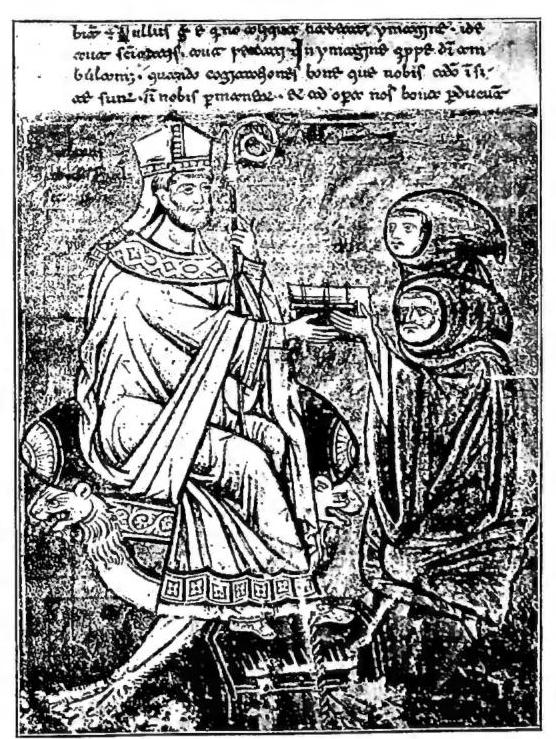
SANTISSIMA VERGINE MARIA DI EINSIEDELN - SANTITÀ
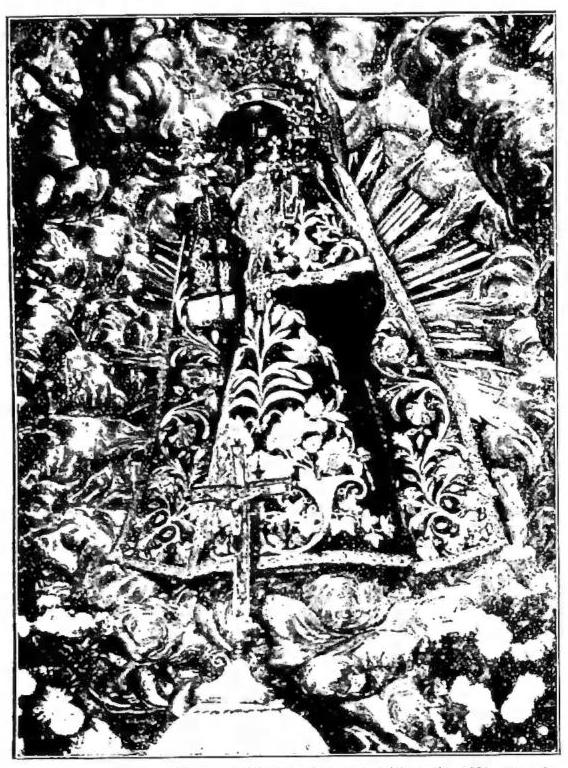
SANTISSIMA VERGINE MARIA DI EINSIEDELN - The Virgin of the Hermits. 15th-century statue, venerated in the holy chapel of the abbey church - Einsiedeln.
[her]mit St. Meinrado (Meginrat), a monk of Reichenau near Costanza (an abbey consecrated to the Madonna), who, after a period of teaching in a monastery near Lake Zurigo, driven by the desire for solitude, had retired to the Alpine valley, where he lived until 861. Later, other hermits settled near his cell, among them Bishop Benno of Metz. Around 930 Eberardo, formerly provost of Strasburgo, gathered the hermits into a monastery; in 934 he received recognition for it and significant donations from the King. In 948 Bishop Corrado of Costanza consecrated in honor of the Madonna the first church, which enclosed the cell of St. Meinrado transformed into a chapel and dedicated by Corrado himself, on September 14, to the Most Holy Savior. Already in the 13th century the people began to make pilgrimages to this chapel and to venerate an image of Maria S.ma there; in the following century there is news of miracles that occurred and of the establishment of the belief that the chapel had been consecrated by the Lord Himself. The evidence drawn from papal bulls and the annals of the monastery confirming this tradition, however, meets with much criticism. Pilgrimages took place especially when the feast of the «Angelic Consecration» (Sept. 14) fell on a Sunday (v. angelica). There is mention of a turnout of up to two hundred thousand pilgrims in both the 15th and the 18th centuries. Even in our day there are collective pilgrimages from Switzerland and abroad, in addition to numerous individual pilgrimages. The sacred image venerated today dates from 1400. Over the course of the centuries, the original color of the face and hands became blackened by the smoke from the votive candles of the small chapel. The principal feasts are those of Our Lady
of E. (July 16) and of the Assumption. A particular feature of the Marian cult in E. is the solemn singing of the Salve Regina, performed every day after Vespers since 1548. The spiritual care of the pilgrims is dedicated to the monks of the Benedictine abbey, which numbers (1952) 126 priests, 10 professed non-priests, and 59 lay brothers; about eighty priests and lay brothers, however, are engaged elsewhere, especially in institutions and schools in Switzerland and abroad. The present monastery, built in 1700, and its basilica, consecrated in 1735, are counted among the most remarkable Baroque edifices north of the Alps.
Pio X, by the motu-proprio of May 7, 1907, declared it an abbazia nullius. Pio XII, by the apostolic constitution Insignis Einsiedlensis of December 13, 1947, reconfirmed the privilege granted in perpetuity to the abbot pro tempore and all the rights, powers, and privileges proper to prelatures nullius, expressly derogating from the provision of can. 319, 2 of the CIC (AAS. 40 [1948], pp. 142-43).