Machine translation of the 1948–1954 Italian original. The original text is authoritative.
SEFARDITI. - Descendants of the Spanish and Portuguese Jews who emigrated from the Iberian peninsula, after the massacre of 1491 and the expulsion of 1492, to North Africa, the Mediterranean coasts (especially in the Balkans), Holland, the Spanish and Portuguese possessions in America, and later to New York and other countries of the United States.
In their most important centres (Salonico, Costantinopoli, Gerusalemme, Safed, Cairo, Ancona, Venezia
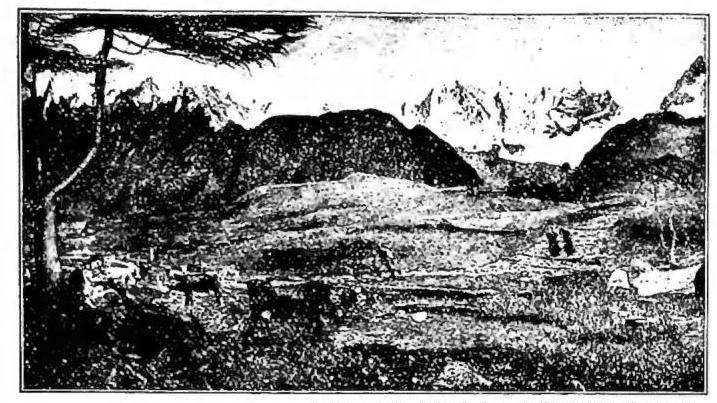
(by courtesy of the Swiss Tourist Industries) SEGANTINI, GIOVANNI — Life. Part of an allegorical triptych On Nature, Life, and Death (1894–99) — S. Moritz, S. MuseumAmsterdam, London, Bordeaux, etc., founded synagogues with services according to the Sephardic rite, with preaching in Spanish. S. were: Leone Ebreo (Jéhúdháh Abrabáne), Amato Lusitano, Spinoza, Jóséph han-Náší (“the Prince”), Jóséph Caro, Disraeli, and many statesmen, scholars, and men of letters. After a century, the driving force of the S. began to decline, nor did the S. again attain the splendour of the spirituality of their forebears in Spain: Ḥasdai ibn Šaprut, Dunáš ibn Labret, Salomone ibn Gabiról, Giuda Levita, and many others. In France, Holland, and England they merged in the 19th century with their Ashkenazi coreligionists.
BIBL.: M. Kayserling-F. Baer, Die Juden im christl. Spanien, 2 vols., Berlino 1929. Eugenio Zolli
Cite this article
“SEFARDITI.” Enciclopedia Cattolica, vol. XI (1953), p. 161. Azione Romana digital edition, https://azioneromana.com/article/sefarditi.