
TOLEMAIDE. – Maritime city of northern Palestine, 16 km northwest of Caifa, situated on a rocky promontory that limits its bay to the north. Its primitive name was ‘Akkô, perpetuated in the Arabic ‘Akkâ; it was called Ptolemais after Ptolemy III Philadelphus (285–246 B.C.).
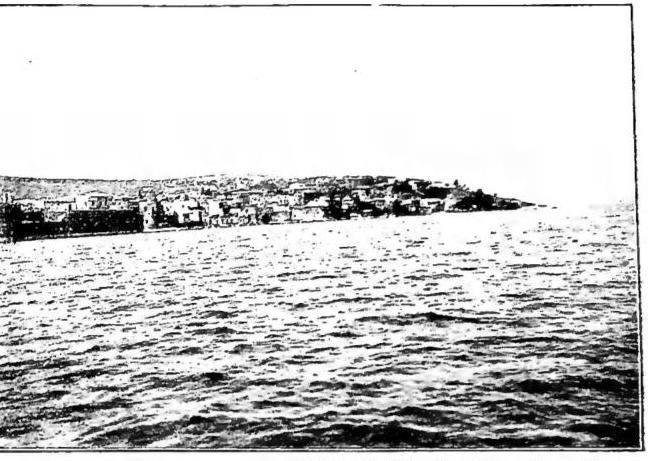
Christianity had followers there from the beginning, and St. Paul (Act. 21, 7) visited its community on his journey from Caesarea to Rome. The city, which was an episcopal see, was occupied by the Muslims in 634, from whom the Crusaders took it in 1104; but in 1187 it was captured by Saladin. Two years later it was besieged by Guy of Lusignan and, in July 1191, occupied by Richard the Lionheart. Accon, as it was called by the Latins, became the metropolis of the Crusader Kingdom, taking within its walls all the remnants of the army. Each prince had his residence there, each maritime republic its quarter, and each military order its fortress. In 1229 it was placed under the control of the Knights of St. John. After the end of the Latin Kingdom, it steadily declined; the imposing ruins of the fortress of St. John earned it, among pilgrims and navigators, the title of St. John of Acre. Despite attempts at restoration in the 18th century, carried out by the emir Dāhir, town and port continued to lose importance. The primitive city stood on Tell el-Fubhār, 1,500 m east of the present city, where archaeological soundings have revealed signs of habitation from 2000 to 900 B.C. Although the tell continued to be occupied from 900 to 300 B.C., the urban center shifted to the maritime quarter.
(phot. Alinari)
(fol. Alinari)