GAETANO MARIA da Bergamo. - Moral-ascesis theologian of the Capuchin Order in the ancient province of Brescia, born Marco Migliorini on 23 Feb. 1672, died 10 Sept. 1753. After completing legal studies in his native city, on 3 May 1691 he entered the Capuchins at Trenzano (Brescia). From 1695 to 1782 he studied philosophy, theology, Holy Scripture and patristics. For about 40 years he zealously preached in many regions. Later he retired to devote himself more purposefully to the apostolate of the pen, which he had begun about five years earlier, and in 30 years he wrote about 40 works, some of which were widely translated and reprinted.
Opera omnia, Rome 1776-80 in 12 vols.; Monza-Milan 1812-76 in 33 small volumes. G.’s principal works are still useful today.

GAETA, ARCHDIOCESE OF - Easter candle (13th cent.). Cathedral.
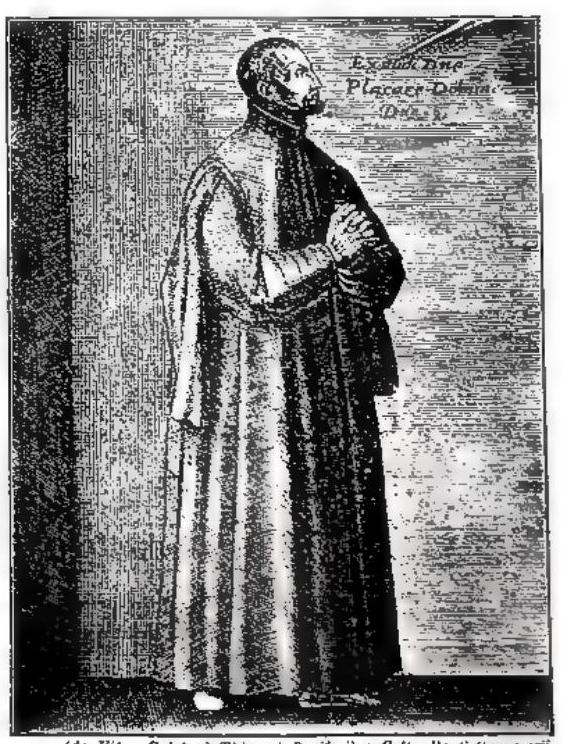
da Porto. He completed legal studies at Padua with a doctorate and entered the Papal Curia around 1508 as a scriptor. Ordained priest on 30 Sept. 1516, he joined the Compagnia del Divino Amore, founded by Ettore Vernazza, which met at the home of Giuliano Dati, papal penitentiary and parish priest of S. Dorotea in Trastevere. Returning to the Veneto in 1518, he placed himself under the spiritual direction of Fra Battista da Crema, directed the Compagnia at Vicenza and Verona, guiding its members toward a more intense spiritual life and works of charity. In 1520 he moved to Venice, where he established the Compagnia and became founder and promoter of the Ospedale degli Incurabili on the Giudecca. In 1523 he returned to Rome, resuming activity in the Compagnia and taking charge of the Ospedale degli Incurabili.
Having entered into relations with Gian Pietro Carafa, bishop of Chieti and Brindisi, and with two other companions, Bonifacio de’ Colli and Paolo Consiglieri, after obtaining permission from Clement VII and resigning the offices and benefices he held, on 14 Sept. 1524 he founded the Congregation of the Clerks Regular, later commonly called the Theatines or Chietines, at the church of S. Nicola dei Prefetti and soon afterward on the Pincio. Imprisoned in 1527 during the Sack of Rome, he escaped with his companions on Venetian ships stationed in the Tyrrhenian in service to the League and reached Venice, where, with the help of friends, he first took up residence at S. Clemente and then at S. Nicola di Tolentino, which became an active center of spiritual life and charitable works. In addition to assistance to the Incurabili, other initiatives were undertaken, including one for the benefit of orphans, whose particular care was assumed by St Jerome Miani, his disciple. As the number of religious grew, in Aug. 1533 Carafa deemed it advisable to accede to the desire of the Neapolitans by sending Thiene to their city; and Na
(da Pietro Carafa) Teleschi Bonifaci a Colle Pavi Consorti. MDXXIII