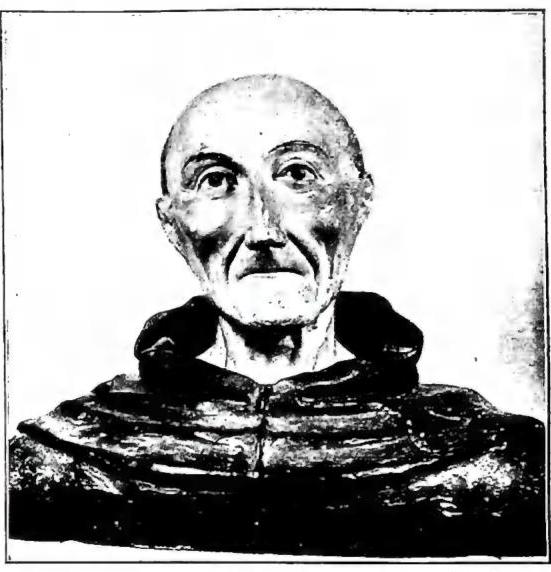
VECCHIETTA, LORENZO DI PIETRO, DETTO IL

VECCHIETTA, LORENZO DI PIETRO, detto il. - V. c. si innestarono anche vari altri movimenti scismatici a sfondo nazionale: così la Chiesa nazionale jugoslava, sorta dopo la prima guerra mondiale (Marco Kalogjera), e la Chiesa nazionale polacca, sorta nel sec. XIX fra i polacchi d'America e poi trapiantata anche in Europa.

BIBL.: J. Troxler, Altkatholiken, in LTHK, I, coll. 318-22; C. Algermissen, La Chiesa e le Chiese, 2a ed., Brescia 1944, pp. 277-84.

VECCHIETTA, LORENZO DI PIETRO, detto il. - V. c. si innestarono anche vari altri movimenti scismatici a sfondo nazionale: così la Chiesa nazionale jugoslava, sorta dopo la prima guerra mondiale (Marco Kalogjera), e la Chiesa nazionale polacca, sorta nel sec. XIX fra i polacchi d'America e poi trapiantata anche in Europa.

BIBL.: J. Troxler, Altkatholiken, in LTHK, I, coll. 318-22; C. Algermissen, La Chiesa e le Chiese, 2a ed., Brescia 1944, pp. 277-85.

VECCHIETTA, LORENZO DI PIETRO, detto il. - V. c. si innestarono anche vari altri movimenti scismatici a sfondo nazionale: così la Chiesa nazionale jugoslava, sorta dopo la prima guerra mondiale (Marco Kalogjera), e la Chiesa nazionale polacca, sorta nel sec. XIX fra i polacchi d'America e poi trapiantata anche in Europa.

BIBL.: J. Troxler, Altkatholiken, in LTHK, I, coll. 318-22; C. Algermissen, La Chiesa e le Chiese, 2a ed., Brescia 1944, pp. 277-86.

VECCHIETTA, LORENZO DI PIETRO, detto il. - V. c. si innestarono anche vari altri movimenti scismatici a sfondo nazionale: così la Chiesa nazionale jugoslava, sorta dopo la prima guerra mondiale (Marco Kalogjera), e la Chiesa nazionale polacca, sorta nel sec. XIX fra i polacchi d'America e poi trapiantata anche in Europa.

BIBL.: J. Troxler, Altkatholiken, in LTHK, I, coll. 318-22; C. Algermissen, La Chiesa e le Chiese, 2a ed., Brescia 1944, pp. 277-87.

VECCHIETTA, LORENZO DI PIETRO, detto il. - V. c. si innestarono anche vari altri movimenti scismatici a sfondo nazionale: così la Chiesa nazionale jugoslava, sorta dopo la prima guerra mondiale (Marco Kalogjera), e la Chiesa nazionale polacca, sorta nel sec. XIX fra i polacchi d'America e poi trapiantata anche in Europa.

BIBL.: J. Troxler, Altkatholiken, in LTHK, I, coll. 318-22; C. Algermissen, La Chiesa e le Chiese, 2a ed., Brescia 1944, pp. 277-88.

VECCHIETTA, LORENZO DI PIETRO, detto il. - V. c. si innestarono anche vari altri movimenti scismatici a sfondo nazionale: così la Chiesa nazionale jugoslava, sorta dopo la prima guerra mondiale (Marco Kalogjera), e la Chiesa nazionale polacca, sorta nel sec. XIX fra i polacchi d'America e poi trapiantata anche in Europa.

BIBL.: J. Troxler, Altkatholiken, in LTHK, I, coll. 318-22; C. Algermissen, La Chiesa e le Chiese, 2a ed., Brescia 1944, pp. 277-89.

VECCHIETTA, LORENZO DI PIETRO, detto il. - V. c. si innestarono anche vari altri movimenti scismatici a sfondo nazionale: così la Chiesa nazionale jugoslava, sorta dopo la prima guerra mondiale (Marco Kalogjera), e la Chiesa nazionale polacca, sorta nel sec. XIX fra i polacchi d'America e poi trapiantata anche in Europa.

BIBL.: J. Troxler, Altkatholiken, in LTHK, I, coll. 318-22; C. Algermissen, La Chiesa e le Chiese, 2a ed., Brescia 1944, pp. 277-90.

VECCHIETTA, LORENZO DI PIETRO, detto il. - V. c. si innestarono anche vari altri movimenti scismatici a sfondo nazionale: così la Chiesa nazionale jugoslava, sorta dopo la prima guerra mondiale (Marco Kalogjera), e la Chiesa nazionale polacca, sorta nel sec. XIX fra i polacchi d'America e poi trapiantata anche in Europa.

BIBL.: J. Troxler, Altkatholiken, in LTHK, I, coll. 318-22; C. Algermissen, La Chiesa e le Chiese, 2a ed., Brescia 1944, pp. 277-91.

VECCHIETTA, LORENZO DI PIETRO, detto il. - V. c. si innestarono anche vari altri movimenti scismatici a sfondo nazionale: così la Chiesa nazionale jugoslava, sorta dopo la prima guerra mondiale (Marco Kalogjera), e la Chiesa nazionale polacca, sorta nel sec. XIX fra i polacchi d'America e poi trapiantata anche in Europa.

BIBL.: J. Troxler, Altkatholiken, in LTHK, I, coll. 318-22; C. Algermissen, La Chiesa e le Chiese, 2a ed., Brescia 1944, pp. 277-92.

VECCHIETTA, LORENZO DI PIETRO, detto il. - V. c. si innestarono anche vari altri movimenti scismatici a sfondo nazionale: così la Chiesa nazionale jugoslava, sorta dopo la prima guerra mondiale (Marco Kalogjera), e la Chiesa nazionale polacca, sorta nel sec. XIX fra i polacchi d'America e poi trapiantata anche in Europa.

BIBL.: J. Troxler, Altkatholiken, in LTHK, I, coll. 318-22; C. Algermissen, La Chiesa e le Chiese, 2a ed., Brescia 1944, pp. 277-93.

VECCHIETTA, LORENZO DI PIETRO, detto il. - V. c. si innestarono anche vari altri movimenti scismatici a sfondo nazionale: così la Chiesa nazionale jugoslava, sorta dopo la prima guerra mondiale (Marco Kalogjera), e la Chiesa nazionale polacca, sorta nel sec. XIX fra i polacchi d'America e poi trapiantata anche in Europa.

BIBL.: J. Troxler, Altkatholiken, in LTHK, I, coll. 318-22; C. Algermissen, La Chiesa e le Chiese, 2a ed., Brescia 1944, pp. 277-94.

VECCHIETTA, LORENZO DI PIETRO, detto il. - V. c. si innestarono anche vari altri movimenti scismatici a sfondo nazionale: così la Chiesa nazionale jugoslava, sorta dopo la prima guerra mondiale (Marco Kalogjera), e la Chiesa nazionale polacca, sorta nel sec. XIX fra i polacchi d'America e poi trapiantata anche in Europa.

BIBL.: J. Troxler, Altkatholiken, in LTHK, I, coll. 318-22; C. Algermissen, La Chiesa e le Chiese, 2a ed., Brescia 1944, pp. 277-95.

VECCHIETTA, LORENZO DI PIETRO, detto il. - V. c. si innestarono anche vari altri movimenti scismatici a sfondo nazionale: così la Chiesa nazionale jugoslava, sorta dopo la prima guerra mondiale (Marco Kalogjera), e la Chiesa nazionale polacca, sorta nel sec. XIX fra i polacchi d'America e poi trapiantata anche in Europa.

BIBL.: J. Troxler, Altkatholiken, in LTHK, I, coll. 318-22; C. Algermissen, La Chiesa e le Chiese, 2a ed., Brescia 1944, pp. 277-96.

VECCHIETTA, LORENZO DI PIETRO, detto il. - V. c. si innestarono anche vari altri movimenti scismatici a sfondo nazionale: così la Chiesa nazionale jugoslava, sorta dopo la prima guerra mondiale (Marco Kalogjera), e la Chiesa nazionale polacca, sorta nel sec. XIX fra i polacchi d'America e poi trapiantata anche in Europa.

BIBL.: J. Troxler, Altkatholiken, in LTHK, I, coll. 318-22; C. Algermissen, La Chiesa e le Chiese, 2a ed., Brescia 1944, pp. 277-97.

VECCHIETTA, LORENZO DI PIETRO, detto il. - V. c. si innestarono anche vari altri movimenti scismatici a sfondo nazionale: così la Chiesa nazionale jugoslava, sorta dopo la prima guerra mondiale (Marco Kalogjera), e la Chiesa nazionale polacca, sorta nel sec. XIX fra i polacchi d'America e poi trapiantata anche in Europa.

BIBL.: J. Troxler, Altkatholiken, in LTHK, I, coll. 318-22; C. Algermissen, La Chiesa e le Chiese, 2a ed., Brescia 1944, pp. 277-98.

VECCHIETTA, LORENZO DI PIETRO, detto il. - V. c. si innestarono anche vari altri movimenti scismatici a sfondo nazionale: così la Chiesa nazionale jugoslava, sorta dopo la prima guerra mondiale (Marco Kalogjera), e la Chiesa nazionale polacca, sorta nel sec. XIX fra i polacchi d'America e poi trapiantata anche in Europa.

BIBL.: J. Troxler, Altkatholiken, in LTHK, I, coll. 318-22; C. Algermissen, La Chiesa e le Chiese, 2a ed., Brescia 1944, pp. 277-99.

VECCHIETTA, LORENZO DI PIETRO, detto il. - V. c. si innestarono anche vari altri movimenti scismatici a sfondo nazionale: così la Chiesa nazionale jugoslava, sorta dopo la prima guerra mondiale (Marco Kalogjera), e la Chiesa nazionale polacca, sorta nel sec. XIX fra i polacchi d'America e poi trapiantata anche in Europa.

BIBL.: J. Troxler, Altkatholiken, in LTHK, I, coll. 318-22; C. Algermissen, La Chiesa e le Chiese, 2a ed., Brescia 1944, pp. 277-100.

VECCHIETTA, LORENZO DI PIETRO, detto il. - V. c. si innestarono anche vari altri movimenti scismatici a sfondo nazionale: così la Chiesa nazionale jugoslava, sorta dopo la prima guerra mondiale (Marco Kalogjera), e la Chiesa nazionale polacca, sorta nel sec. XIX fra i polacchi d'America e poi trapiantata anche in Europa.

BIBL.: J. Troxler, Altkatholiken, in LTHK, I, coll. 318-22; C. Algermissen, La Chiesa e le Chiese, 2a ed., Brescia 1944, pp. 277-101.

VECCHIETTA, LORENZO DI PIETRO, detto il. - V. c. si innestarono anche vari altri movimenti scismatici a sfondo nazionale: così la Chiesa nazionale jugoslava, sorta dopo la prima guerra mondiale (Marco Kalogjera), e la Chiesa nazionale polacca, sorta nel sec. XIX fra i polacchi d'America e poi trapiantata anche in Europa.

BIBL.: J. Troxler, Altkatholiken, in LTHK, I, coll. 318-22; C. Algermissen, La Chiesa e le Chiese, 2a ed., Brescia 1944, pp. 277-102.

VECCHIETTA, LORENZO DI PIETRO, detto il. - V. c. si innestarono anche vari altri movimenti scismatici a sfondo nazionale: così la Chiesa nazionale jugoslava, sorta dopo la prima guerra mondiale (Marco Kalogjera), e la Chiesa nazionale polacca, sorta nel sec. XIX fra i polacchi d'America e poi trapiantata anche in Europa.

BIBL.: J. Troxler, Altkatholiken, in LTHK, I, coll. 318-22; C. Algermissen, La Chiesa e le Chiese, 2a ed., Brescia 1944, pp. 277-103.

VECCHIETTA, LORENZO DI PIETRO, detto il. - V. c. si innestarono anche vari altri movimenti scismatici a sfondo nazionale: così la Chiesa nazionale jugoslava, sorta dopo la prima guerra mondiale (Marco Kalogjera), e la Chiesa nazionale polacca, sorta nel sec. XIX fra i polacchi d'America e poi trapiantata anche in Europa.

BIBL.: J. Troxler, Altkatholiken, in LTHK, I, coll. 318-22; C. Algermissen, La Chiesa e le Chiese, 2a ed., Brescia 1944, pp. 277-104.

VECCHIETTA, LORENZO DI PIETRO, detto il. - V. c. si innestarono anche vari altri movimenti scismatici a sfondo nazionale: così la Chiesa nazionale jugoslava, sorta dopo la prima guerra mondiale (Marco Kalogjera), e la Chiesa nazionale polacca, sorta nel sec. XIX fra i polacchi d'America e poi trapiantata anche in Europa.

BIBL.: J. Troxler, Altkatholiken, in LTHK, I, coll. 318-22; C. Algermissen, La Chiesa e le Chiese, 2a ed., Brescia 1944, pp. 277-105.

VECCHIETTA, LORENZO DI PIETRO, detto il. - V. c. si innestarono anche vari altri movimenti scismatici a sfondo nazionale: così la Chiesa nazionale jugoslava, sorta dopo la prima guerra mondiale (Marco Kalogjera), e la Chiesa nazionale polacca, sorta nel sec. XIX fra i polacchi d'America e poi trapiantata anche in Europa.

BIBL.: J. Troxler, Altkatholiken, in LTHK, I, coll. 318-22; C. Algermissen, La Chiesa e le Chiese, 2a ed., Brescia 1944, pp. 277-106.

VECCHIETTA, LORENZO DI PIETRO, detto il. - V. c. si innestarono anche vari altri movimenti scismatici a sfondo nazionale: così la Chiesa nazionale jugoslava, sorta dopo la prima guerra mondiale (Marco Kalogjera), e la Chiesa nazionale polacca, sorta nel sec. XIX fra i polacchi d'America e poi trapiantata anche in Europa.

BIBL.: J. Troxler, Altkatholiken, in LTHK, I, coll. 318-22; C. Algermissen, La Chiesa e le Chiese, 2a ed., Brescia 1944, pp. 277-107.

VECCHIETTA, LORENZO DI PIETRO, detto il. - V. c. si innestarono anche vari altri movimenti scismatici a sfondo nazionale: così la Chiesa nazionale jugoslava, sorta dopo la prima guerra mondiale (Marco Kalogjera), e la Chiesa nazionale polacca, sorta nel sec. XIX fra i polacchi d'America e poi trapiantata anche in Europa.

BIBL.: J. Troxler, Altkatholiken, in LTHK, I, coll. 318-22; C. Algermissen, La Chiesa e le Chiese, 2a ed., Brescia 1944, pp. 277-108.

VECCHIETTA, LORENZO DI PIETRO, detto il. - V. c. si innestarono anche vari altri movimenti scismatici a sfondo nazionale: così la Chiesa nazionale jugoslava, sorta dopo la prima guerra mondiale (Marco Kalogjera), e la Chiesa nazionale polacca, sorta nel sec. XIX fra i polacchi d'America e poi trapiantata anche in Europa.

BIBL.: J. Troxler, Altkatholiken, in LTHK, I, coll. 318-22; C. Algermissen, La Chiesa e le Chiese, 2a ed., Brescia 1944, pp. 277-109.

VECCHIETTA, LORENZO DI PIETRO, detto il. - V. c. si innestarono anche vari altri movimenti scismatici a sfondo nazionale: così la Chiesa nazionale jugoslava, sorta dopo la prima guerra mondiale (Marco Kalogjera), e la Chiesa nazionale polacca, sorta nel sec. XIX fra i polacchi d'America e poi trapiantata anche in Europa.

BIBL.: J. Troxler, Altkatholiken, in LTHK, I, coll. 318-22; C. Algermissen, La Chiesa e le Chiese, 2a ed., Brescia 1944, pp. 277-110.

VECCHIETTA, LORENZO DI PIETRO, detto il. - V. c. si innestarono anche vari altri movimenti scismatici a sfondo nazionale: così la Chiesa nazionale jugoslava, sorta dopo la prima guerra mondiale (Marco Kalogjera), e la Chiesa nazionale polacca, sorta nel sec. XIX fra i polacchi d'America e poi trapiantata anche in Europa.

BIBL.: J. Troxler, Altkatholiken, in LTHK, I, coll. 318-22; C. Algermissen, La Chiesa e le Chiese, 2a ed., Brescia 1944, pp. 277-111.

VECCHIETTA, LORENZO DI PIETRO, detto il. - V. c. si innestarono anche vari altri movimenti scismatici a sfondo nazionale: così la Chiesa nazionale jugoslava, sorta dopo la prima guerra mondiale (Marco Kalogjera), e la Chiesa nazionale polacca, sorta nel sec. XIX fra i polacchi d'America e poi trapiantata anche in Europa.

BIBL.: J. Troxler, Altkatholiken, in LTHK, I, coll. 318-22; C. Algermissen, La Chiesa e le Chiese, 2a ed., Brescia 1944, pp. 277-112.

VECCHIETTA, LORENZO DI PIETRO, detto il. - V. c. si innestarono anche vari altri movimenti scismatici a sfondo nazionale: così la Chiesa nazionale jugoslava, sorta dopo la prima guerra mondiale (Marco Kalogjera), e la Chiesa nazionale polacca, sorta nel sec. XIX fra i polacchi d'America e poi trapiantata anche in Europa.

BIBL.: J. Troxler, Altkatholiken, in LTHK, I, coll. 318-22; C. Algermissen, La Chiesa e le Chiese, 2a ed., Brescia 1944, pp. 277-113.

VECCHIETTA, LORENZO DI PIETRO, detto il. - V. c. si innestarono anche vari altri movimenti scismatici a sfondo nazionale: così la Chiesa nazionale jugoslava, sorta dopo la prima guerra mondiale (Marco Kalogjera), e la Chiesa nazionale polacca, sorta nel sec. XIX fra i polacchi d'America e poi trapiantata anche in Europa.

BIBL.: J. Troxler, Altkatholiken, in LTHK, I, coll. 318-22; C. Algermissen, La Chiesa e le Chiese, 2a ed., Brescia 1944, pp. 277-114.

VECCHIETTA, LORENZO DI PIETRO, detto il. - V. c. si innestarono anche vari altri movimenti scismatici a sfondo nazionale: così la Chiesa nazionale jugoslava, sorta dopo la prima guerra mondiale (Marco Kalogjera), e la Chiesa nazionale polacca, sorta nel sec. XIX fra i polacchi d'America e poi trapiantata anche in Europa.

BIBL.: J. Troxler, Altkatholiken, in LTHK, I, coll. 318-22; C. Algermissen, La Chiesa e le Chiese, 2a ed., Brescia 1944, pp. 277-115.

VECCHIETTA, LORENZO DI PIETRO, detto il. - V. c. si innestarono anche vari altri movimenti scismatici a sfondo nazionale: così la Chiesa nazionale jugoslava, sorta dopo la prima guerra mondiale (Marco Kalogjera), e la Chiesa nazionale polacca, sorta nel sec. XIX fra i polacchi d'America e poi trapiantata anche in Europa.

BIBL.: J. Troxler, Altkatholiken, in LTHK, I, coll. 318-22; C. Algermissen, La Chiesa e le Chiese, 2a ed., Brescia 1944, pp. 277-116.

VECCHIETTA, LORENZO DI PIETRO, detto il. - V. c. si innestarono anche vari altri movimenti scismatici a sfondo nazionale: così la Chiesa nazionale jugoslava, sorta dopo la prima guerra mondiale (Marco Kalogjera), e la Chiesa nazionale polacca, sorta nel sec. XIX fra i polacchi d'America e poi trapiantata anche in Europa.

BIBL.: J. Troxler, Altkatholiken, in LTHK, I, coll. 318-22; C. Algermissen, La Chiesa e le Chiese, 2a ed., Brescia 1944, pp. 277-117.

VECCHIETTA, LORENZO DI PIETRO, detto il. — To these were also joined various other schismatic movements with a national character: thus the Jugoslav National Church, which arose after the First World War (Marco Kalogjera), and the Polish National Church, which arose in the 19th century among the Poles of America and was later transplanted to Europe as well.

BIBL.: J. Troxler, Altkatholiken, in LTHK, I, cols. 318-22; C. Algermissen, *La Chiesa e le Chiese*, 2nd ed., Brescia 1944, pp. 277-84.

Article illustration
(fol. Graesi)
Vecchietta, Lorenzo di Pietro, detto il — *St. Bernardino*, glazed terracotta — Siena, church of Fontegiusta.

Whether it was the sentiment of the divine, the radiant splendor of the sun and dawn, or the unleashing of the hurricane that most stirred the soul, the principal deities invoked in the hymns of the Rgveda are undoubtedly deifications of natural phenomena, more or less anthropomorphic according to the greater or lesser transparency of the natural substratum that serves as their foundation. Agni (ignis) is spoken of as the god with golden hair, with a thousand horns, with strong jaws, but the passages that attribute a human form to Fire are far rarer than in the case of Indra, the storm god armed with lightning. The aspect of fire was before everyone’s eyes, and it was seen that it was not a human figure, whereas no mortal eye could ever discern the effect of Indra. The poet’s imagination was therefore free to lend the god the features of a giant who, when not called upon to bestow rain by splitting the clouds, exercised his power elsewhere. To him are dedicated 250 hymns, to Agni 200. The name of Agni begins both the first and the second *maṇḍala* or “cycle” of the Rgveda, but the first is chronologically later than the second, which is in turn the first of a series of seven, attributed to as many families of *ṛṣi* or “seers” who are said to have received its revelation. Of the 12 cycles, which comprise 1028 hymns, the eighth is also attributed to two families of prophets, and the second, ninth, and tenth contain hymns whose authors are singularly indicated. But these are mythical personages: the real authors remain unknown. The first and tenth cycles, composed of heterogeneous parts, are the most recent in the collection. The age of the Rgveda is uncertain and impossible to determine with certainty: 1800 B.C. is one of the most probable dates. At the time of the composition of the Rgveda, the Aryo-Indians were still settled in the Panjab, the land of the five rivers (Hunt) of the Indus; engaged in pastoralism, they cultivated gold, not yet rice (*vrihi*), and the wolf was for them the fiercest animal. In the Rgveda the elephant is mentioned only a couple of times, the tiger never. The language of the hymns, elaborated in priestly schools, represents an archaic phase of Sanskrit, which probably remained a learned language, used by Brahmins and educated people, alongside the vernacular spoken by the people. The hymns were in part recited and in part sung during the sacrifices. The choral part of the priest-singer (*udgātṛ*) is the *Sāma-veda* or “Veda of the Melodies,” which contains 1549 stanzas, all but 75 of which (drawn from the Rgveda, especially from the ninth cycle, dedicated to the god Soma) lack musical notation, the constant association of the stanzas with their melodies supplying this lack. Even today, in Catholic churches, the words of a hymn such as *Tantum ergo* or *Te Deum* are enough to remind the faithful of the “tune” of the chant. *Ab Iove principium*, but Dyaus Pitar (Diespiter, Iuppiter), “the Heavenly Father,” is a secondary divinity in the Rgveda; primacy belongs to Varuṇa, the god of the starry sky, who sees and punishes the sins of men. In the company of Mitra, a solar deity, he ascends at dawn upon a throne replaced by columns of bronze and observes, with the eye of the sun, the actions, both manifest and hidden, of his subjects. The two gods are the guardians of *ṛta*, “the order” both moral and “cosmic.” “O kings Mitra and Varuṇa,” says hymn V, 62, 33, “you uphold the earth and the sky with your power; you make the grasses grow and the milk flow to the young; ready givers, you cause the rain to pour down in torrents.” Varuṇa also reigns over the gods, but one of them contends with him for primacy: Indra, the god of battles, armed with lightning, lord of the atmospheric sky. His figure is entirely anthropomorphic, with some comic traits of unmistakably popular origin. Rgvedic hymn I, 32, 1-8, 15, thus celebrates the liberation of the waters (the rivers of the Panjab) that the dragon Vṛtra held captive in the caves of the mountains:

You also overcame the sorceries of the sorcerers, then creating the sun, the sky, the dawn, you truly found no more enemies. — With the lightning, his great weapon, Indra struck Vr̥tra, the fiercest enemy (and) Vyaṇṣa. The dragon lies stretched on the ground like branches cut with an axe. — Like a drunken man unable to fight, he challenged the great hero, the exterminator, ready to attack. The enemy of Indra could not withstand the force of his blows; he crushed the rivers as he fell. — Without feet or hands, he fought against Indra; (Indra) hurled the lightning into his back. Castrated, who wanted to stand up to a bull, Vr̥tra lay scattered in pieces. — Over him, who lay there like a broken reed, the waters pass, gathering courage. The dragon Vr̥tra lay at the foot of those (rivers) which he had confined with his power. — Indra, the carrier of the sky, rules over what walks and what stands still, over the horned and the hornless (cattle). As king, he governs men; he has embraced these things as the wheel embraces the spokes. — Scholars are not in agreement on the interpretation of the myth; for some, the mountains symbolize the clouds, and the waters released are the rains.

At dawn, the daughter of the sky, who daily restores to men the beneficial light of day, is the subject of some thirty hymns in the R̥gveda. This one (VII, 77) is among the most characteristic:

"Radiant, she approaches like a young bride, stirring every living being to action. Agni became flame for men; she brought the light, driving away the darkness. — Spreading widely, she ascended toward the universe; bearing a luminous, splendid garment, she shone forth. Golden in color, fair in appearance, she shone, the mother of cows, guide of the days. — The blessed one who bears the eye of the days (the sun), who guides the fine white horse (the sun), the Dawn adorned with rays, has appeared and spread throughout (the universe) with her resplendent gifts. — Standing near with her blessings, she drives away the enemy by means of her rays; procure for us a broad, secure pasture. Remove hostility, bring us riches, hasten the gift to the singer, O generous one! — Shine upon us, goddess Dawn, with your most radiant rays, prolonging our life and granting us (you who possess all good things) food and gifts of cows, horses, and chariots. — O Dawn, blessed daughter of Heaven, you whom the Vasiṣṭhas exalt with prayers, grant us high, great wealth. You (gods), protect us always with prosperity."

In Vedic religion, sacrifices to the gods were of two kinds: domestic, which the father of the family attended to using the household fire, and "revealed (śrauta)," which required three fires and the work of four principal priests: the Hotar or "Invocator," who recited the hymns of praise and invited the gods to the sacrificial feast; the Udgātṛ or "Cantor," who accompanied the libations with songs (ānu); the Adhvaryu or "Executor," who attended to the manual part of the rite and recited the sacrificial formulas (yajus); and the Brāhmaṇ, the overseer of the sacrifice, who had to ensure the perfect execution of the ceremonies. While the first three priests needed only knowledge of the V. pertaining to their office (that of the R̥gveda for the Hotar, of the Sāma-veda for the Udgātṛ, and of the Yajur-veda for the Adhvaryu), the Brāhmaṇ had to be a profound knower of all three V., of the traividyā or "triple science," considered as a unity and equated with the Brāhmaṇ (v.). The fourth V., of magical content, had no relation to the sacrifice proper. There were no temples or images in the Vedic age, nor was there a state priesthood, despite the importance of the cult. Public sacrifices were performed in the open air, in communion with nature, but not on behalf of the people nor at public expense. They had a private character even when celebrated at the order and for the benefit of the king. The spring soma sacrifice was particularly solemn and so costly that only a wealthy yajamāna, "patron of the sacrifice," could afford II. The ceremony, which involved sixteen priests, is described as follows. Three fires are lit on a height: that of the "householder," representing the domestic fire; that which receives the offerings; and the southern fire, intended to keep evil spirits at bay. The fires enclose the vedi, a quadrilateral space dug into the ground and covered with kuśa grass, whose longer sides, recessed, curve inward like a crescent moon.