
DROGONE. – Bishop of Metz, papal vicar. The natural son of Charlemagne, born on 17 June 801, he was compelled by Louis the Pious in 818 to embrace the ecclesiastical state; he was ordained a priest in 822 and made bishop of Metz. Reconciled with Louis, he became his archchaplain with the title of archbishop and remained faithful to him in good fortune as in adversity. It was he who had his corpse carried from Ingelheim to Metz, where he wished it to be honorably buried. A supporter of the imperial idea, he immediately took the side of Lothair (MGH, Concilia aevi Karolini, II, p. 792), who gave him as companion and counselor to his son Louis, sent to govern Italy (844). Just then Pope Sergius II (844–847) had been elected without imperial consent. D. accompanied Louis to Rome and recognized Sergius; but he required him to swear allegiance to the Emperor and obtained the office of papal vicar over all the territories beyond the Alps, as had already been the case with St. Boniface and St. Chrodegang (Jaffé-Wattenbach, 2586, 2607, 2608). It seems that this delegation in practice amounted to a mere title: it is not mentioned in the synod of Thionville in October 844, although it was presided over by D. himself (MGH, Capitularia regum Francorum, II, p. 113), and the Council of Ver, in December of the same year, postponed discussion of the significance of this title to another council (MGH, ibid., II, pp. 382–87).
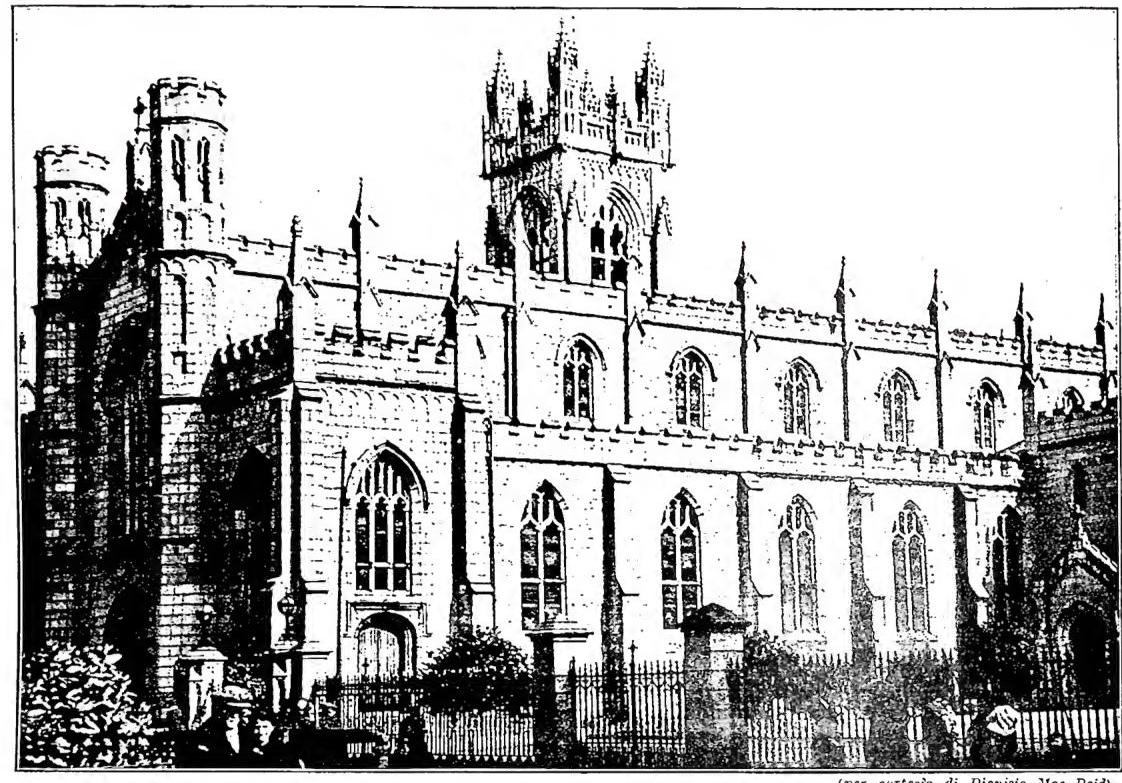
(by curtivola of Dionisio Mac Daid)
BIBL. C. Pfister, in Mélanges Paul Fabre, Paris 1902, pp. 101–45; E. Amann, L'epoca carolingia, in Fliche-Martin-Fruta, VI, p. 225 ff. and passim; H. Leclercq, Dragon (Sacramentaire de), in DACL, IV, 2, cols. 1540–47. Ireneo Daniele