
LUGO, JUAN de. – Jesuit cardinal and theologian, born in Madrid on 25 November 1583, died in Rome on 20 August 1660. His family was noble and ordinarily resided in Seville, where it returned in 1588.
A pupil of the Jesuits, he entered the Society at Villagarcia (1603). After completing his studies at Pamplona and Salamanca, he taught philosophy at Menforte in Lemos (1612–13), at Medina del Campo (1613–14), and at León (1614–16), then theology at Salamanca (1617) and at Valladolid (1617–21). Summoned to Rome by the superior general Muzio Vitelleschi, he held the chair of dogmatic theology at the Collegio Romano from 1621 to 1643, in which year he was created cardinal by Urban VIII.
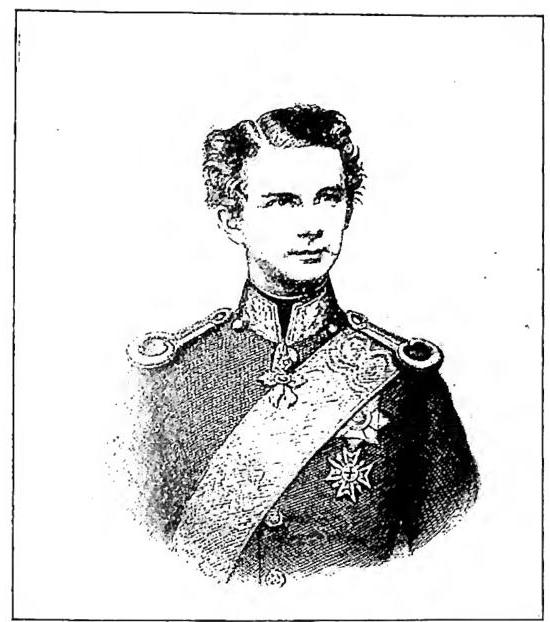
(from the Gotha Almanac, May 1866)
LUIGI II, KING OF BAVARIA — Portrait.
De Sacramentis in genere, de venerabili Eucharistiae Sacramento et de sacrosancto Missae sacrificio (likewise 1636), De virtute et Sacramento Poenitentiae, de suffragiis et indulgentiis (likewise 1638), in which he revealed his strength as a speculative theologian, whereas in De iustitia et iure (likewise 1642) he established himself as a moral theologian. Even today this work is regarded as a model of its kind, and s. Alfonso (Theol. mor., III, 552), judging Lugo on its basis, considered him the foremost moral theologian after s. Tommaso. Also worth mentioning are De virtute fidei divinae (Lyon 1646) and Responsorum moralium libri VI (likewise 1651). Several of his writings appeared posthumously, including De Deo, de angelis, de actibus humanis, de divina Gratia (Cologne 1716), until all his writings were collected in Opera omnia (7 vols., Venice 1718; subsequently in 8 vols., Paris 1868–69). Many, however, remained in manuscript.
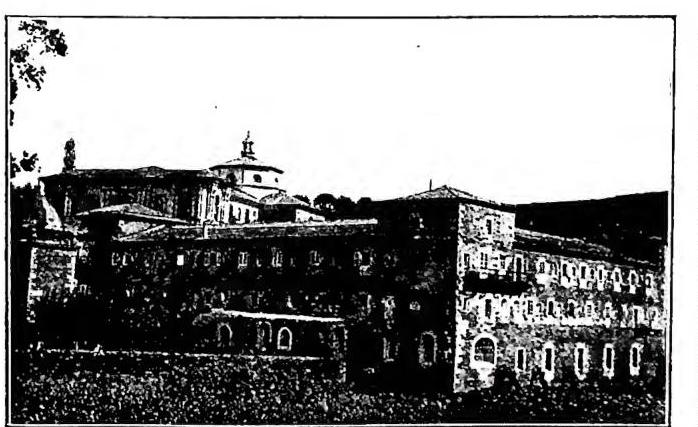
(phot. Centrerus — Madrid)
LUGO, DIOCESE OF — Monastery of Samos.
As a cardinal he worked in many Congregations and was esteemed by Popes Urban VIII, Innocent X, and Alexander VII. The condemnation of the propositions of Giansenio drawn from the Augustinus was carried out with the censures he had proposed (the constitutions Cum occasione of 31 May 1653 and Ad sacram beati Petri sedem of 16 October 1656). L. rendered valuable service to the Collegio Romano, in which he established scholarships for poor students, and which, together with the Casa professa del Gesù, he made heir to his possessions. He was also responsible for introducing cinchona into Europe (pulvis iesuiticus). At his own request, Lugo’s remains lie in the church of the Gesù in Rome, at the feet of s. Ignazio.
Arnaldo M. Lanz