
SANKT FLORIAN. - Abbey of the Canons Regular of the Lateran of the Austrian Congregation near Linz (Upper Austria).
The abbey is situated on the edge of a height, on the burial site of the martyr St. Florian and his companions (d.
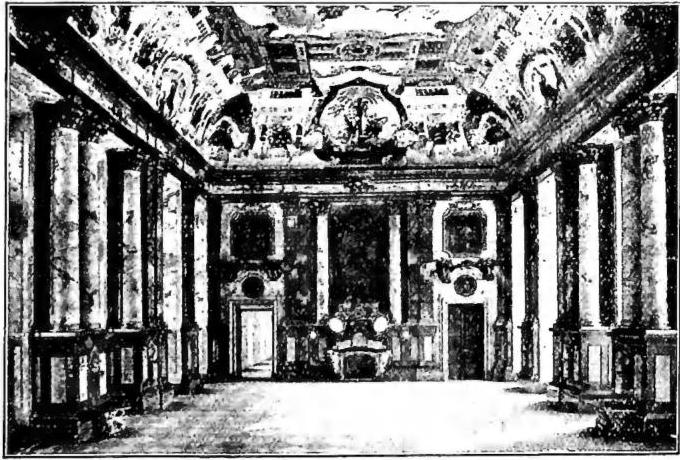
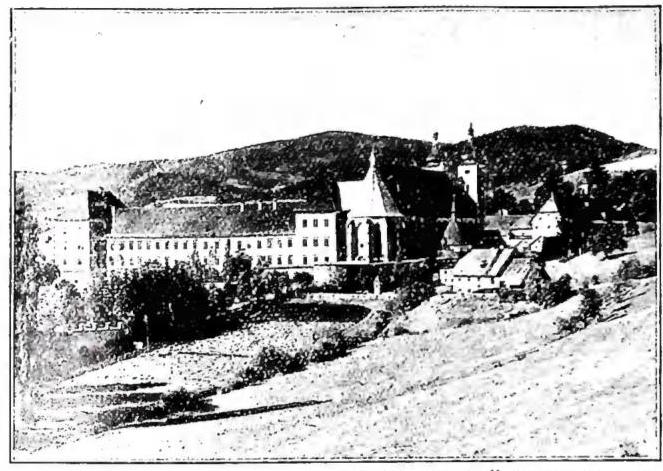
Fame is brought to S. F. by the grandiose complex of its Baroque architecture, among the finest examples of monumental ecclesiastical art. The church, dedicated to the Assumption of Mary, preserves pre-Romanesque remains (crypt perhaps of the 9th cent.) and Gothic ones (dedication of the Gothic Basilica in 1291); it was then rebuilt and decorated in an exuberant yet dignified Baroque style, starting in 1686, by the work of A. C. Carlone (his masterpiece), continued after his death (1708) by J. Prandtauer (builder of Melk), with even more brilliant modifications. Work continued until around the mid-18th century with the contribution of numerous Italian and native artists, including the two Altomonte. In the church, of particular note is the organ by the great builder F. Krisman (1770-83); A. Bruckner served as organist there (1845-55; V. below). The two sacristies, jewels of the Baroque, are rich in precious sacred vestments. Among the most admired structures are Prandtauer's grand staircase (1706-13); the ground-floor and upper halls, with grandiose frescoes and precious marbles; the Library (1744-50) with approx. 120,000 volumes, including 885 manuscripts dating from the 9th century and more than 800 incunabula; the imperial apartments, a series of 16 splendidly furnished rooms which served Pius VI on his journey to Vienna; and large collections of art, paintings, coins, etc.
The abbey boasts almost continually members distinguished in sacred and profane scholarship; but its singular glory comes from the composer and organist A. Bruckner, who by his will asked to be buried there; S. F. is frequently the center of musical celebrations, including international ones.
Finally, note the arrangement, also in the church's crypts, of about 6,000 skeletons believed to come either from the Roman cemetery of Laureacum (7 km away) or, more plausibly, from a battlefield of the barbarian migration era.