
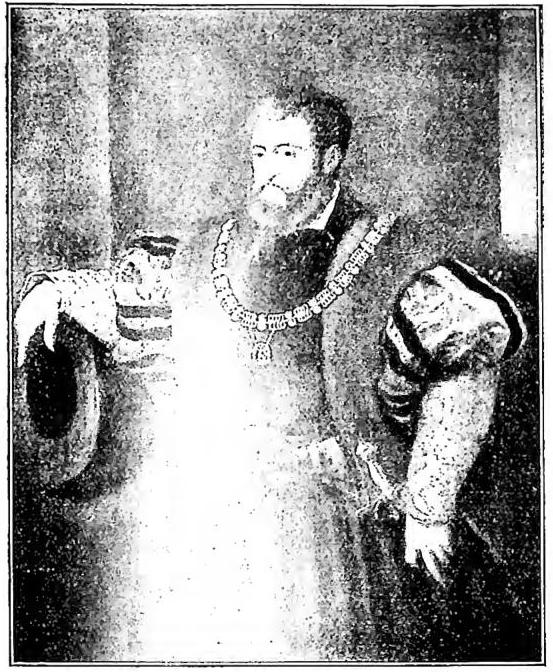
ALFONSO di CASTRO. – Franciscan theologian of the 16th century, born in Zamora, Spain, in 1495 and died in Brussels on 3 February 1558. At the age of 16 he donned the Franciscan habit at Salamanca, where he completed his theological studies, then proceeding to the University of Alcalá. Returning to Salamanca, he taught theology there for about 30 years, while at the same time exercising, with great success, the ministry of preaching, also in Germany, England, and at the court of Charles V. In 1530 he took part in the debate concerning the validity of the marriage of Henry VIII and wrote on the subject a treatise published posthumously at Lyons in 1568. As theologian to Cardinal Pacheco, he participated in the first sessions of the Council of Trent, carrying out considerable activity, especially in the discussions concerning original sin, the canon, and the use of Sacred Scripture. He was also highly skilled in criminal law, to the extent of earning the title of «princeps poenalistarum».
He was likewise designated as archbishop of Compostella, but died before being formally preconized.
Various works were attributed to A. Certainly his, besides the aforementioned treatise and certain manuscripts of lesser importance, are the following: 1) Adversus omnes haereses lib. XIV (Paris 1534); a work which, while A. was still alive, went through several editions, the definitive one, extensively revised in 1556, appearing at Antwerp in 1560. In it, arranged in alphabetical order, all the heresies that arose from the time of the Apostles to the 16th century are enumerated and refuted; 2) Homiliae 25 in Ps. 50 (Salamanca 1537); 3) Homiliae 24 in Ps. 31 (Salamanca 1540); 4) De justa haereticorum punitione (Salamanca 1547); 5) De potestate legis poenalis (Salamanca 1550).
(phot. Alinari)