
BOMBAY, ARCHDIOCESE of. — The Apostolic Vicariate of B. originated from the one known as that of the Great Mogul, entrusted in 1696 to the Discalced Carmelites, whose see was transferred to B. in 1720. The Capuchin mission of Hindustan was detached from it in 1784.
On 8 March 1854 it was divided into two vicariates: the northern vicariate, or that of B., entrusted to the Jesuits following the Carmelites’ renunciation; and the southern vicariate, or that of Poona, given to the Capuchins, who were succeeded by the Jesuits in 1858.
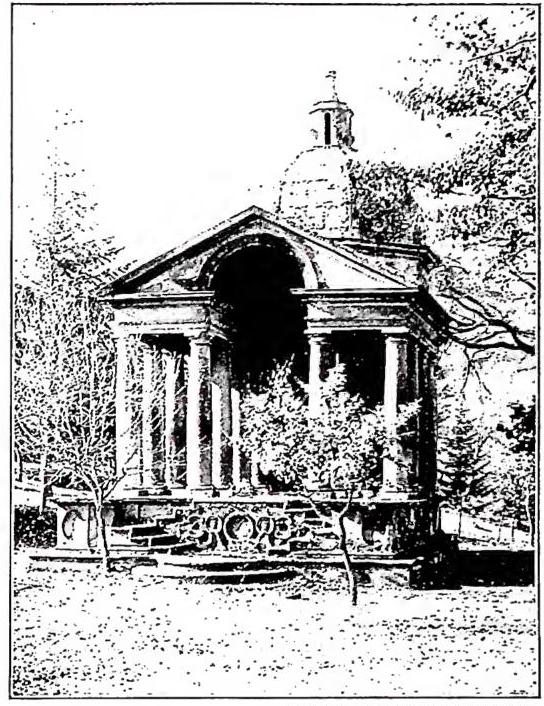
BOMARZO - Small temple by Antonio da Sangallo (16th century) in the Borghese villa, formerly Orsini.
The following statistical data are available for the two jurisdictions, distinct de facto, respectively:
I. BOMBAY (1947)
Area: 48,715 sq. km.; population (1946-47 census): 10,000,000 inhabitants; Catholics: 178,216; catechumens: 112; dissenters of Eastern rite: 517; Protestants: 120,864; Jews: 80,324; Muslims: 3,803,231. In the 79 parishes, 7 primary stations, and 14 secondary stations, there are 158 Indian diocesan priests, 100 Jesuit priests of the religious province of Tarragona, 8 Salesians of St. John Bosco, and one Franciscan; 60 scholastics (56 Jesuits and two Salesians); 45 lay brothers (21 Jesuits, two Salesians, and 22 Franciscan Tertiaries of Mount Poinsur, India); and 227 sisters from 11 different congregations, in which the Indian and Eurasian element is considerable. In addition: 137 catechists and 1,247 lay teachers. There is a seminary with 20 clerics (another two at the Pontifical seminary of Kandy, Ceylon) and 46 secondary-school students.Schools: 70 elementary schools (11,132 pupils of both sexes), seven lower secondary schools (1,644), 31 upper secondary schools (23,332), two vocational schools (2,422), and five teacher-training schools (351). Other institutions: two hospitals, 8 dispensaries, 11 orphanages (1,737 orphans), four homes for the elderly (89 residents), and one leprosarium (60 patients); one printing press. The periodicals published there are noteworthy, namely The Examiner, a weekly (165,920 copies), The Messenger of the Sacred Heart, a monthly (43,300), and Udentechem Nehetr (80,681). The confraternities and other religious associations and charitable welfare societies, as well as those of A. C. and of the Pontifical Work for the Propagation of the Faith, are numerous and flourishing. St. Francis Xavier College is officially recognized as a university-level school.
II. AHMEDABAD (1948)
Area: 138,750 sq. km.; population (approximate estimate for 1942): 9,600,000 inhabitants; Catholics: 25,880; catechumens: 746. In 1939 there were 24,790 Protestants, 342 Jews, 336,920 Muslims, 247,181 Jains, and 10,143 Parsis. Missionary personnel distributed (1948) among 12 primary stations and six secondary stations: three Jesuit priests of the religious province of Eastern Castile, 25 scholastics, and 10 Jesuit lay brothers; 38 sisters from three different congregations, almost all Indian and Eurasian; 144 catechists; and 75 teachers.Schools: 108 elementary schools (3,000 pupils of both sexes), three lower secondary schools (250), and two upper secondary schools (1,441). Other works: two orphanages (231 orphans), 9 dispensaries (34,038 consultations in one year); two cooperative societies; one printing press. The periodicals published there are noteworthy, namely Messaggero del S. Cuore di Gesù in the Gujarati language (1,715 copies), The Ahmedabad Missionary (850), and Ahmedabad in Spanish (1,200).
The predominance of Hindus and Muslims in the archdiocese, the variety of ethnic groups, languages, and social conditions, imposes a complex and prudent missionary method, which in general produces satisfactory results, visible in the slow but sure fermentation of the Christian leaven even among the higher classes. Catholic educational and charitable institutions enjoy ever greater confidence, all the more so because some of their religious and lay representatives hold important offices in the civil administration.