Machine translation of the 1948–1954 Italian original. The original text is authoritative.
CZERSKI, JOHANN. — Apostate Catholic priest, born at Warlubien (West Prussia) on 12 May 1813, died at Schneidemühl on 22 December 1893. He studied at Posnan, where he was ordained a priest in 1842, and served as chaplain of the Cathedral for a year and a half. In 1844 he went to Schneidemühl as an assistant priest. Having already been suspended twice for concubinage, on 22 August 1844 he publicly declared his apostasy from the “Roman Court Church” and, followed by a small group of adherents, founded in Schneidemühl on 19 October 1844 the “Christliche-apostolische-katholische Gemeinde.”
The doctrine of the new sect was set forth in nine articles in the letter addressed to the government in order to obtain public recognition: rejected as human institutions were Communion under one species, the canonization of the saints and blessings, the priestly power to remit-
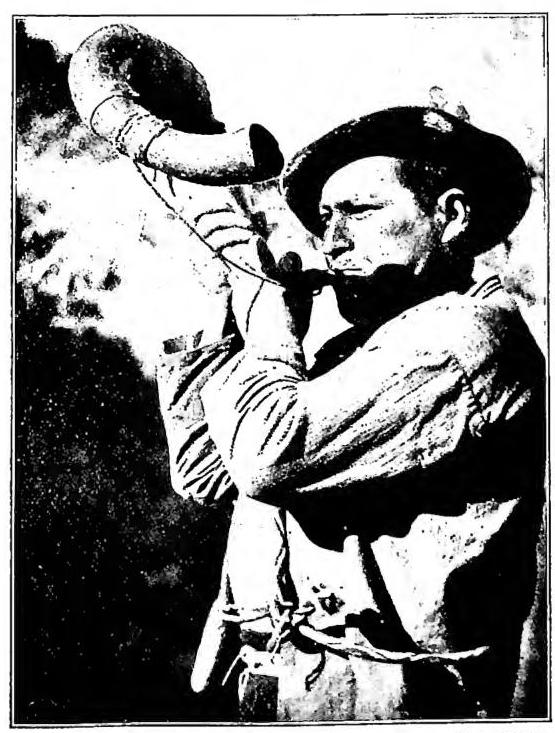
Cuzco, arcidiocesi di — Player of the ancient hunting horn of the Incas. (photograph: Fides)sins, indulgences, the precept of fasting and abstinence, the use of the Latin language in the liturgy, and the primacy of the Roman Pontiff. On the other hand, they retained the profession of the Nicene-Constantinopolitan Creed, the doctrine of the seven Sacraments and of the Mass, transubstantiation through faith, and prayer for the dead. The new community held its meetings and services in a private house under the direction of C., who in the meantime had announced his marriage and published two heretical writings (Rechtfertigung meines Abfalls von der römischen Hofkirche, Bromberg 1845; and Offenes Glaubensbekenntnis der Christl.-apost.-kath. Gemeinde, Stuttgart 1844). Consequently, on 17 February 1845, the capitular vicar of the archdiocese of Posnan, Gajerowicz, proceeded to his degradation and excommunication. On 21 February C. solemnly married before the Protestant pastor of Schneidemühl. Following the example of the sect, various other dissident groups were then springing up in Silesia, increasingly regarding the Breslau native G. Ronge as their leader. Although C.’s religious orientation was much more positive and believing than Ronge’s rationalist-liberal one, the two movements merged in 1845 into the sect of the German Catholics. For some time the conflict between the two orientations remained alive within the sect as well, but C.’s influence steadily declined. In any event, he drew ever closer to Ronge’s rationalism. In 1863 he joined him again in founding the Religiöser Reformverein, an ephemeral institution by then entirely marked by free thought and opposition to all positive Christianity. By the time of his death, C. had long since been forgotten.
(courtesy of Fr. Paolini)
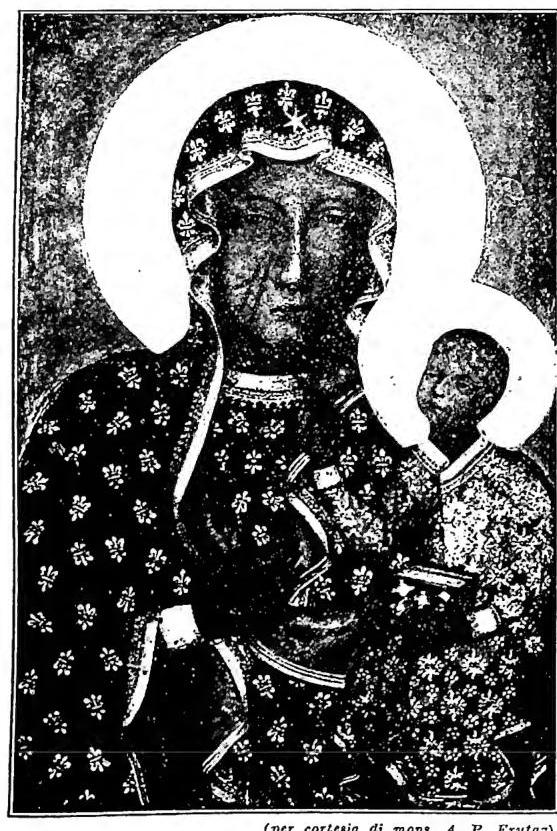
CZĘSTOCHOWA, diocesi di — Sanctuary. The church was consecrated in 1644.
BIBL.: Hundhausen, Deutschkatholiken, in Kirchenlexikon, III, cols. 1603–15; C. Mirbt, Deutschkatholizismus, in Realencyclop. f. prot. Theol. und Kir., IV, cols. 583–89. Igino Rogger
Cite this article
“CZERSKI, JOHANN.” Enciclopedia Cattolica, vol. IV (1950), p. 653. Azione Romana digital edition, https://azioneromana.com/article/czerski-johann.