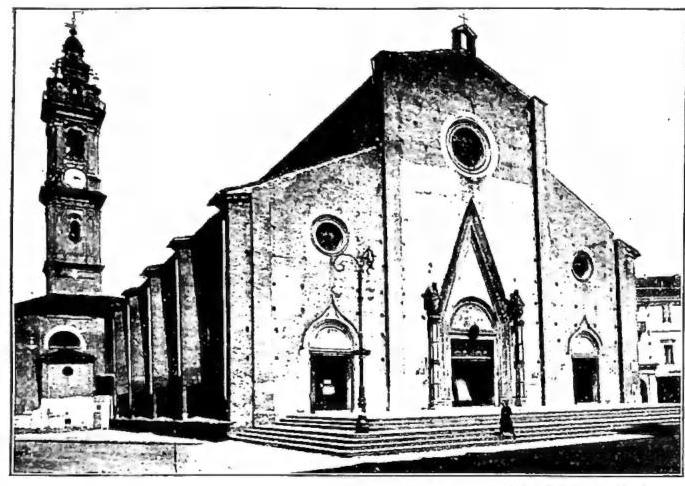
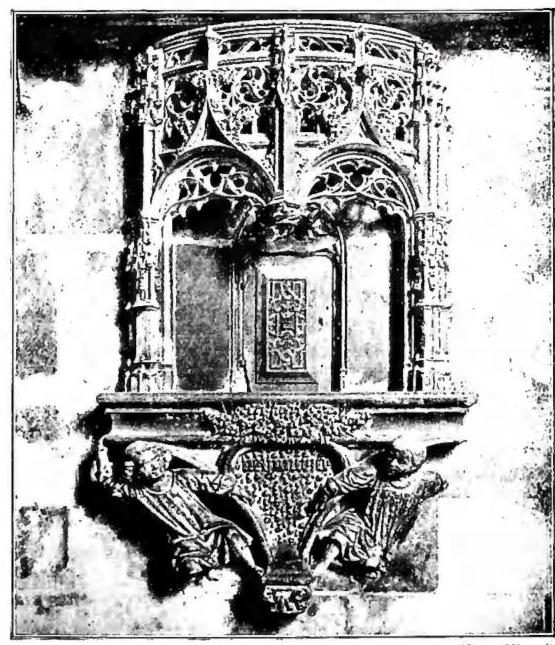
SALUZZO, DIOCESI. — City and diocese in the province of Cuneo, archdiocese of Torino. It extends through the upper valleys of Maira, Varaita, and Po and across the pre-Alpine plain along the three valleys. Area: 4,450 sq. km.; inhabitants: 110,150 (150 non-Catholics), distributed among 103 parishes. Priests: 228; major and minor seminary. Ten male and female religious houses operate in the diocese.
The Saluzzo territory, populated by the Ligurian Vagienni and Salluvii, passed to the Romans (2nd century B.C.); after the fall of the Empire, it seems to have belonged to the Lombards. The first certain mention of S. is found in a document datable to around
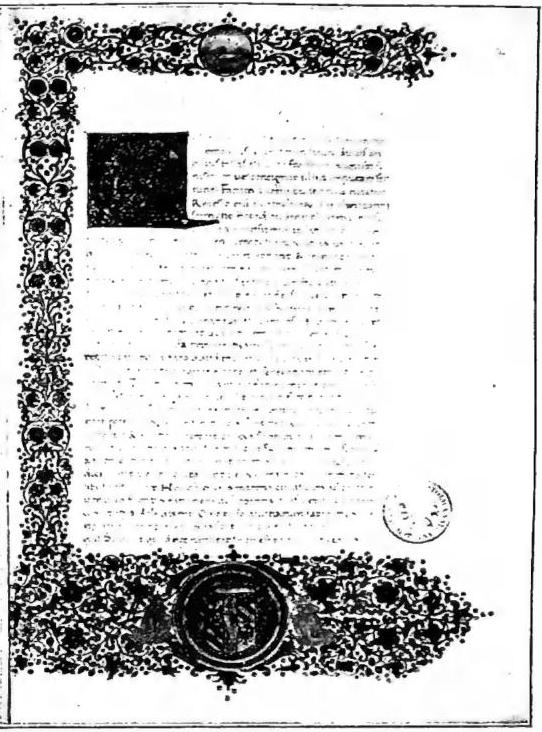
The diocese was erected by Julius II (29 September 1511), by detaching the marquisate from the diocese of Turin; at first it was immediately subject to the Holy See, and from 1728 it was a suffragan of Turin. For more than a century (1550-1700), heretical infiltrations (Waldensians and Huguenots) occurred in the upper valleys: arduous evangelization succeeded in containing them and ultimately in completely freeing the area from heretics. In this regard, besides the secular clergy, the Capuchins (S.; Acceglio, 1594-1802; Casteldelfino, 1600-1802) and the Jesuits (S., Verzuolo, and Dronero) earned particular merit. The extent of the diocese underwent numerous changes over the centuries, the principal one being that carried out by Napoleon (1803), with the addition of Pinerolo and numerous parishes in the plain; its present configuration dates from 1817. Famous abbeys were: S. Costanzo (9th century - 1803), whose Romanesque church has been preserved; Staffarda (1135-1802), whose monumental cloister has been preserved; both were male monasteries; and Rifreddo (1219-1502), a female monastery. In the centuries of the late Middle Ages, the sanctuary of Becetto was famous; today, during the summer season, those of Valmala (Madonna della Misericordia) and Crissolo (S. Chiaffredo, a Theban martyr and patron of the diocese) are well attended.
Among those who distinguished themselves in pastoral ministry were the bishops: F. Archinto (1546-56), who held synods, visited the diocese, and took part in the Council of Trent (1547), and was transferred to the archbishopric of Milan; G. M. Tapparelli (1568-81), who visited the diocese, infested with heretics, in meticulous detail and ensured observance of the decrees of Trent; A. Pichot (1583-91), who held synods and visited the diocese; b. G. Ancina (IV, 1603-1604), who visited the diocese, held a synod, laid the foundations of the Seminary, and promoted Eucharistic worship, initiating the cele-