
CUNEO, DIOCESI DI. — In southern Piedmont, it borders to the north with Fossano and Saluzzo, to the east with Mondovì, to the south and west with France, and extends over 1,869 square kilometers. It has a population of 90,000 inhabitants, of whom 80,000 are Catholic, 71 parishes, 177 secular priests, and 42 religious (1948). Male religious institutes: Jesuits, Orionists, Salesians, Franciscans, and Capuchins. It is a suffragan of Turin.
Saints and venerables native to Cuneo: Bl. Angelo Carletti (d. 1495); Fra Diego da Valdieri (d. 1655); Fr. Benigno Dalmazzo (d. 1744); Felice De Andreis (d. 1820); Brunone Lanteri (d. 1830). Many other figures merit remembrance: Alardo and Giovanni di Valdieri, valiant crusaders with St Louis, the former recalled by Dante (Inf., XXVIII, 18); Giorgio Saluzzo di Valgrana, prince-bishop of Lausanne, castellan of Castel S. Angelo in Rome and vice-chamberlain (d. 1461); Francesco de Ferraris, missionary in China in the retinue of Fr Ricci (d. 1672); Filippo Maria Grimaldi, missionary, mathematician at the court of Peking, astronomer, writer, diplomat, bishop-elect of Peking (d. 1712); Giuseppe Francesco Megranesio (d. 1793), author of the Pedemontium sacrum yet famed also for his literary forgeries; Bruno Bruni, writer and editor of the works of St Maximus (d. 1796); Giovanni Alasia, apostolic vicar of Algiers and Tunis (d. 1800); Angelo della Porta, titular bishop of Thermopylae, almoner and diplomat at the court of Naples (d. 1835); Margarita Bergesio, foundress of the sanctuary of Our Lady of Africa in Algiers and collaborator of Card. Lavigerie (d. 1875); Antonio Malan, apostle of the Bororo in Brazil, writer and bishop of Petrolina (d. 1931). Others include: Clemente Solaro della Margarita, statesman and writer (d. 1869); Giuseppe Barbaroux, minister, statesman and author of the Albertine Codes (d. 1843); Sebastiano Grandis, designer of the Fréjus tunnel (d. 1892); Ettore Pais, distinguished historian (d. 1939).
Among the archives, noteworthy are the Civic Archive of Cuneo (from c. 1350); those of the Curia and the Chapter (lacking documents prior to 1600); the civic library (c. 40,000 volumes); and that of the seminary (18,000 volumes).
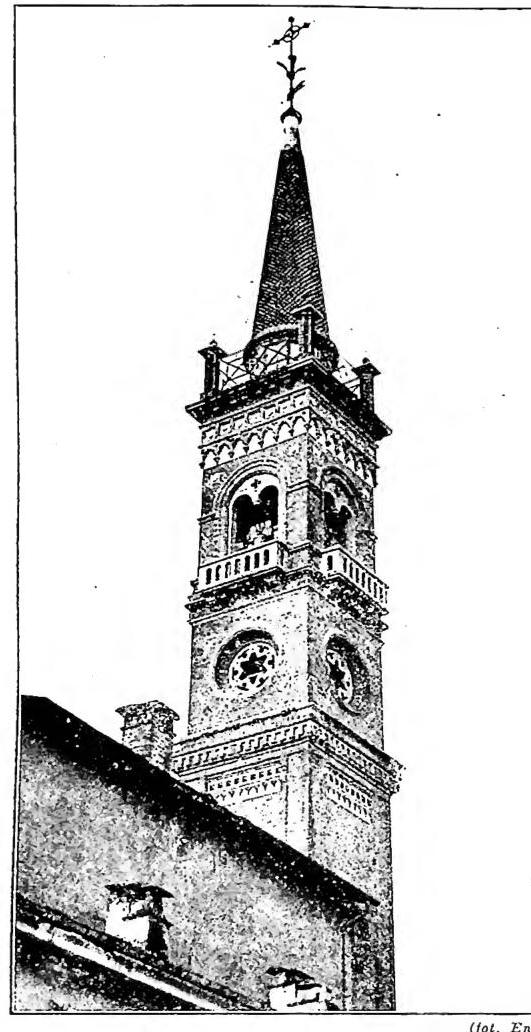
The most ancient notable monument of Cuneo is the 13th-century church of S. Francesco, displaying Romanesque-Gothic features and a fine marble portal of 1481. The church of S. Croce preserves its original Gothic structure in part of the choir; the remainder of the building was remodelled in the 18th century by the architect Francesco Gallo, to whom is also owed the reconstruction of the medieval church of S. Ambrogio. In the small sanctuary of the Madonna degli Angeli, built in 1450 but much dilapidated thereafter, only scant remains of 15th-century frescoes survive. At Borgo S. Dalmazzo stands the monasterium S. Dalmatii de Pedona, sive de Burgo S. Dalmatii: a Benedictine abbey founded in the 7th century by King Agilulf and Theodolinda; it belonged first to the diocese of Asti, after 1388 to that of Mondovì, and now to Cuneo (v. Cottineau, I, cols. 440–41).