
STREGHE : V. MAGIA.
WITCHCRAFT AND MEDICINE. — Among primitive peoples, the sorcerer-priest receives, in a particular natural or induced state (shamanism, alcoholic intoxication, mediumship), a so-called “light of revelation” for therapeutic purposes; in demoiatrics, one who is capable of “marking” certain illnesses is born under particular conditions. At first the healer is merely the link between divinity and man, a priest standing between divinity and patient; later he arrogates to himself the power of good and evil, becoming a magician and deriving his power from special rites or practices; as such he is found both among primitive peoples and among present-day rural inhabitants. Among primitive peoples the sorcerer, at the head of the entire village population, is the centre of actual rites for driving out demons in cases of epidemics or illness affecting a member of the community; at other times, secretly or publicly, he performs rites or ceremonies in order to cause illnesses.
In demoiatrics, alongside the religious element stands the magical element; consequently, certain persons are attributed the faculty both of inflicting and removing evil, both of causing and curing diseases. Witches possess this power by birth or initiation and exercise it through “spells,” generally in an operation of a criminal character, either by acting directly upon the victim (lettatura) or upon some figure or object representing him or her (transfert). By the same methods they can undo what they have done.
Alongside that connected with “spells,” the activity of witchcraft was directed to the preparation of amulets, talismans, and philtres that bestowed youth, honours, love, and riches, but it was particularly connected with the treatment of diseases. Peasants and common people, when in their opinion official medical science failed to achieve its purpose, had recourse (and still do!) to the witch, who was well acquainted with the properties of simple remedies and administered herbal juices, especially those having a soothing effect, such as the solanaceae. Witches, besides possessing a drug for every ill, also had lethal ones and knew well how to handle poisons; they were likewise midwives and gynaecologists, often not for benevolent purposes; for every circumstance they had a remedy, from abortifacient methods to waters of chastity or aphrodisiacs. Particular characteristics are assigned to illnesses attributed to the work of witchcraft, above all that they cannot
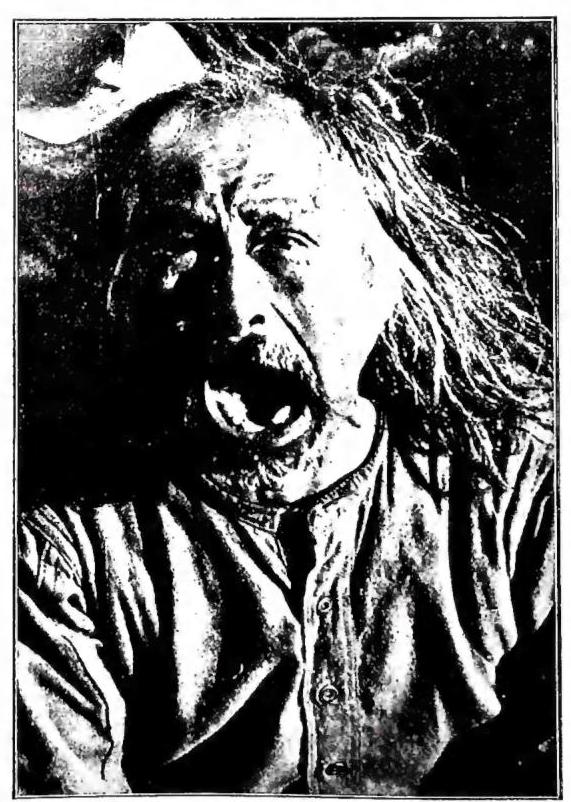
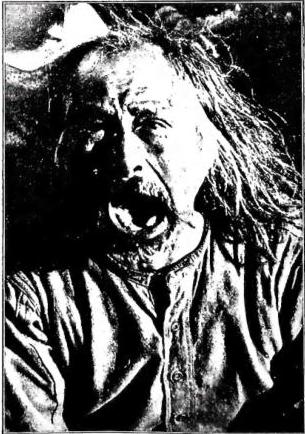
(by courtesy of the Grey Sisters of Montréal)
WITCHCRAFT AND MEDICINE — Type of Eskimo sorcerer (pagan). Mission of the Grey Nuns of Montréal — Chesterfield.
The initial ceremony of the career was the pact with the devil, signed in one’s own blood on a virginal parchment of a child’s skin, in an environment saturated with narcotics, in a delirious atmosphere of satanic nightmare. Under such circumstances the devil appeared to bestow, in exchange for the soul of the witch being consecrated and her submission to his will, an initial period of happiness and
(courtesy of the Oblates of Mary Immaculate, Rome) STREIT, ROBERT — Portrait.
wealth. On the other hand, the witch would acquire a power superior to every human power through special ceremonies involving bloody sacrifices culminating in ritual murders, with a liturgy in honour of Satan, aping the very rituals of divine worship; an apostate priest was often required for such rites. Crime was thus joined to the most shameful sacrilege. In reality, their work often, quite apart from any alleged diabolical intervention, was capable of marvellous effects, since they were knowledgeable about human nature, the powers of physical substances, and the virtues of herbs.
Popular tradition has portrayed witches in art as types of old women with ugly and repulsive appearances; on the contrary, they were generally very beautiful women, full of riches derived from their often shady and illicit earnings. With regard to the moral judgment of the s.,
V. MAGIA
Vedi tav. C.Gustavo M. Apollon