
EPISTOLARIO. – By E. (epistolare, epistolarium [-ius], and also epistolium) is meant the book containing the lessons and the Epistles of the Mass throughout the liturgical year. In the course of its history it has also had other names, the principal ones being: apostolus, liber comitis or canacus, or more simply comes (already in the charta Cornuttiana of 471), and capitulare lectionum, lectionarium [-ius]. Apostolus is the oldest name; comes and lectionarium indicate, depending on the case, a collection of Epistles alone, of Gospels alone, or of both together.
I. ORIONI
At first, scriptural reading in liturgical assemblies had no particular organization. The contrary opinion of the Romanian Jewish scholar L. Venetianer (Der Ursprung und die Bedeutung der Prophetenlektionen, in Zeitschr. d. deutsche Mag. Gesellschaft, 63 [1909], pp. 103–70), according to which the early Church adopted the lectionary arrangement of the Synagogue, although suggestive, has not found acceptance,(Vatican Library Institute)
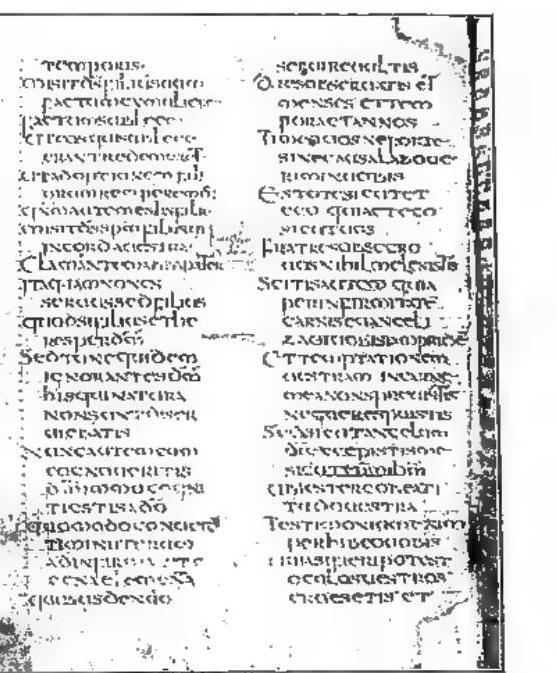
EPISTOLARIO - Capitulare Epistolarium s. Paoli della prima metà del sec. VIII. L'associazione, di mano del sec. VIII-IX, indica l'epistola per la vigilia di s. Giovanni, Biblioteca Vaticana, cod. Reg. lat. 9, f. 63.
I libri sacri si leggevano, a puntate, in continuazione (lectio continua): «ex ordine» dice s. Agostino (In epist. Johann. ad Parthos, prol.: PL 35, 1977), prendendone il testo direttamente dal volume della Bibbia (la «bibliotheca» del medioevo), dietro indicazione dell'antistei, che presiedeva l'assemblea e per il tempo che egli credeva, o «prout tempus fert» (s. Giustino, Apol., I, cap. 67, ed. Th. Klauser [*Floril. patrist., 7], Bonn 1935, p. 19; Contra Tryph.*, cap. 118: PG 6, 749).
Quest'uso restò in vigore parecchio tempo e lo troviamo ancora al principio del sec. IV in Africa e a metà del sec. V a Ravenna con s. Pier Crisologo (m. nel 450 es.; cf. G. Lucchesi, Nuove note agiografiche ravennati, Faenza 1943, p. 110). Anche Roma ebbe la sua lectio continua, e se ne possono scorgere le tracce nell'antico ordinamento delle pericopi evangeliche dell'Avvento (lettura dei sinottici) e del ciclo pasquale (Vangelo di s. Giovanni: cf. P. Alfonzo, La «lectio continua» nei sinottici, in Rivista liturgica, 25 [1938], pp. 131-37). È chiaro però che, fin dai primi tempi, si dovette pensare all'opportunità di leggere in determinati periodi dell'anno, come in Quaresima e nelle Tempora, o nelle grandi solennità del Signore: Pasqua, Pentecoste, Natale, Epifania, dei libri sacri e brani biblici, che avessero relazione più diretta con il tempo liturgico o con il mistero celebrato. Di letture proprie in tempi e feste particolari fanno cenno i Padri dei secc. III e IV: la Genesi in Quaresima (s. Ambrogio, De mysteriis, I, 1: PL 16, 380) Giona e Giobbe nella Settimana Santa (id., Epist. XX, ad Marcell., capp. 14 e 25: ibid., 1040, 1044); a Pasqua il racconto della Risurrezione, che in Africa si leggeva nel testo dei quattro evangelisti (s. Agostino, Sermo 86, Tract. de quarta feria post Pascha, in Miscellanea agostiniana, I, Roma 1930, p. 324). Tra Pasqua e Pentecoste gli Atti degli Apostoli (id., Sermo 315, 1: PL 38-39, 1426; Tract. VI in Johann., cap. 18: ibid., 35, 1433). Anche nelle solennità dei martiri si sospendava, almeno in alcune parti, come
in Africa, la lectio continua, per leggere il racconto delle loro gesta (cf. id., Sermo XVI, In natali sanctorum martyrum Scillitanorum, in Miscellanea agostiniana, I, Roma 1930, p. 80; vedi anche ibid., p. 67, s. Cipriano).
L'indicazione del passo da leggersi si segnava in margine alle pagine della S. Scrittura; poi, in un secondo tempo, fu redatto un indice degli initia dei brani, numerati progressivamente (capitula, da cui capitulare) e l'elenco veniva posto all'inizio del volume sacro, mentre nel testo si scriveva in calce solo il numero corrispondente alla lista, contrassegnando con una crocetta la fine della pericope. Sono i primi abbozzi di lezionari. Solo molto tardi (secc. VII-VIII) le pericopi lezionali furono ricoplate per intero e si ebbero i primi lezionari plenari (tipico il lezionario di Luxeuil), che divennero il vero e proprio libro liturgico, ancora oggi usato nelle cattedrali e nelle chiese più ordinate.
Si leggevano, dunque, libri determinati in determinati periodi dell'anno, ma non ne segue che questa letture fossero già ripartite in pericopi fisse. I liturgisti medievali, basandosi sulla Epistula ad Constantium, che ritenevano di s. Girolamo, assegnarono la paternità d'un primo lezionario al Dottore di Strigonia. Ma la lettera è apocrifa. Morin ne fa autore s. Vittore, vescovo di Capua (m. nel 554; cf. G. Morin, L'auteur de la « Lettre à Constantine », in Revue bénédictine, 7 [1890], pp. 416-23).
I primi tentativi, storicamente certi, di sistematiche raccolte scritturali per uso liturgico appaiono in Gallia nel sec. V. Gennadio di Marsiglia (m. nel 452) racconta che il presbitero Museus « hortans sancti Venerii episcopi (m. nel 452) excerptit ex sacris scripturis lectiones totius anni festivis diebus » (De scriptoribus ecclesiasticis, cap. 79: PL 58, 1104). Un po' più tardi Claudio Mamerto, prete della chiesa di Vienne (m. nel 473), compote anche lui un lezionario (Sidonio Apollonio, Epist., I, IV, 11: ibid., 516). Ma dell'uno e dell'altro non ne è restato che il ricordo.
L'inventario della chiesa di Cornutum (una parrocchietta rurale presso Tivoli), nel 471, elenca tra i codices che le appartengono: « Evangelie IIII apostolorum (apostolum?), psalterium et comiteus ». Si tratta d'un lezionario proprio (cosa abbastanza improbabile) o del lezionario di Roma? La seconda alternativa non recherà meraviglia se si pensa che proprio nel sec. v a Roma si manifesta un'attività liturgica fecondissima. I due cicli che polarizzano tutto l'anno ecclesiastico ebbero in questo periodo la loro organizzazione, l'Avvento per opera di papa Gelasio (m. nel 489), che trasportò le letture delle Tempora mensis decimi a quelle di Quaresima e fissò in dic. la lettura di Isaia, e la Quaresima per opera di papa Ilaro (m. nel 468).
Si è, comunque, ancora nel campo delle congetture, anche se molto fondate. Per il periodo pregregoriano l'unico documento sicuro è il lezionario di Capua. Si tratta d'un elenco numerato di 77 pericopi epistolari, disposte secondo l'ordine dell'anno liturgico, messo a capo del celebre codex Fuldensis delle lettere Paoline. In margine ai fogli del testo il principio della pericope è richiamato con il numero corrispondente nella lista. La lista fu scritta da Vittore, vescovo di Capua, nel 546-47. Questa lista di pericopi dà così la fisionomia dell'anno liturgico a Capua a metà del sec. VI.
II. PERIOD OF FORMATION
By the end of the fifth century, the lectio continua had definitively yielded its place to fixed pericopes. The disappearance of the catechumens, for whom it was primarily intended as a first Christian instruction, and the development of the liturgical cycle, which was becoming ever more clearly delineated around the great Mysteries of the Redemption and the earliest feasts of the martyrs, determined the definitive selection of the scriptural pericopes to be read at Mass and the formation of various systems, according to the particular characteristics of the different Churches. The liturgical books also acquired their own particular character and, in the case under consideration here, the division and difference between e. and evangelary became ever more pronounced. With regard to the former, the following systems may be distinguished:1. Mozarabic system
The oldest document is the liber comicus (edited by G. Morin, in Anecdota Maredsolana, I, Maredsous 1893), which probably represents the usage of Toledo in the time of s. Ildefonso (d. 667). Advent lasts five weeks; Lent has readings of its own every day, except on Tuesday and Thursday of the first three weeks; it does not contain the series of Sundays after Epiphany and Pentecost, but, in compensation, ends with 32 « dominicis apostidianis ». The sanctoral is extremely limited. There are three readings.2. Gallican system
Its principal representatives are the lectionary of Luxeuil and the Bobbio Missal. The former (recently published by P. Salmon, Le lectionnaire de Luxeuil, Rome 1944) is a Gallican book with very little Roman influence, dating from the end of the seventh or the beginning of the eighth century. The latter, almost contemporary with the former, represents the liturgy of Gaul in the time of the Merovingians, with Visigothic, Irish, and Roman influences (phototype edition with a critical introduction: C. Mohlberg, Missale Gothicum. Das gallikanische Sakramentar, Augsburg 1929). Characteristic features of the Gallican system of readings are: three lessons at Mass; the reading of the acts of the martyrs; the Canticle of Daniel between the readings on feast days; Acts and the Apocalypse during the Easter season. Advent lasts six weeks, Lent [the number is lacking in the original]. An interesting peculiarity of the Gallican documents is the presence of longer or shorter series of « quotidiana » or « domenicali » lessons, intended for use on days when there is no proper formulary, especially on Sundays outside the fixed cycles (that is, our « dominicae per annum »).3. Ambrosian system
It is found essentially in the Sacramentary of Bergamo (edited by P. Gagin, in Anctarium Solesmense, series liturgica, I, Solesmes 1900), according to a manuscript from the tenth–eleventh centuries belonging to the library of S. Alessandro in Colonna at Bergamo. The codex does not contain the prophetic readings (Old Testament), which the Ambrosian liturgy still preserves; consequently, the Sacramentarium Bergomense was completed by Gagin with a thirteenth-century manuscript belonging to Milan Cathedral (ibid., pp. 193-207). For a considerable time, the celebrated Capitulare Epistolarum s. Pauli (cod. Vatic. regin. 9) from the first half of the eighth century was regarded as being of great importance for the study of the Ambrosian lectionary. But Morin (Un système inédit de lectures liturgiques en usage en VIIe-VIIIe siècle dans une église inconnue de Haute-Italie, in Revue bénédictine, 20 [1903], pp. 375-86), followed recently by Borella (cf. M. Righetti, Storia liturgica, III, Milan 1949, pp. 514-15), demonstrated that this document does not reflect the Ambrosian rite in use at Milan, but that of another church in northern Italy. In the Bergomense, the structure of the Ambrosian liturgical year is already clearly delineated: Advent lasts six weeks; five follow the feast of Epiphany; the pre-Lenten season has the usual three Sundays; Lent too is regular, its first Sunday still bearing the designation in caput Quadragesimae. After Easter there are five weeks, twenty-two after Pentecost, and two post dedicationem ecclesiae. The sanctoral is highly developed.4. Roman system
It is undoubtedly the most important and the one documented by the greatest number of sources. A certain point of departure is the work of s. Gregori, whose biographer Giovanni Diacono states that the lectionary was precisely to be the basis of his reform of the Gelasian Sacramentary (Vita s. Gregorii, II, 17: PL 75, 94). The principal sources for the Gregorian and post-Gregorian lectionary are the comites of Würzburg, Alcuin, and Murbach.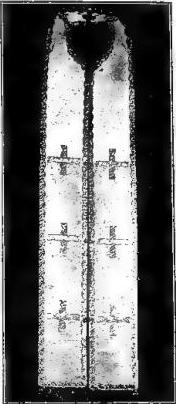
A formulary of this type of comes was taken as the basis by Alcuin for his famous Comes emendatus (first edited by J. M. Tommasi, Opera omnia, V, ed. F. Vezzosi, Rome 1750, pp. 297-423, and more recently by A. Wilmart, Le lectionnaire d'Alcuin, in Ephemerides liturgicae, 50 [1937], pp. 136-197). It was drawn up in the years 782-84, therefore before Pope Hadrian (d. 793) sent Charlemagne the Gregorian Sacramentary, revised by him and made normative at Rome. The archetype of Alcuin’s lectionary may be placed between the end of the seventh and the beginning of the eighth century, in any event before the death of Gregory II (d. 731), who instituted the Lenten Thursdays, which do not yet appear in the comes emendatus.
Throughout the document there is a perfect order in the distribution of the epistles. From Easter to the feast of the apostles Peter and Paul, the Catholic Epistles are read; during the five weeks post Apostolorum, the Letter to the Romans; on the five Sundays post S. Laurentii, the Letters to the Corinthians and the Galatians; on the Sundays of the seventh month and post S. Angeli, the Letters to the Ephesians, Philippians, and Colossians; during the week of Pentecost, Acts. Note the order of the canonical succession of the sacred books (Rom., Cor., Gal., Eph., Phil., Col.), and the designation of the Sundays according to Roman tradition, in contrast to Gallican usage.
In the ninth century a supplement was added to Alcuin’s comes, preceded by an anonymous preface: Bunc codicem. The author of this preface states that the revision of the comes was made by order of Charlemagne, in order to bring it into harmony with the Gregorian Sacramentary. The additions were made particularly « in vigiliis Paschae vel in feriis atque in aliis quibusque ecclesiasticis officio ». The author of this supplement was probably Helissachos, chancellor and confidant of Louis the Pious until 819. In later manuscripts the supplement was merged with the comes (cf. G. Morin, Une rédaction inédite de la préfece au supplément du « Comes » d'Alcuin, in Revue bénédictine, 20 [1912], pp. 340-48).
The third fundamental document of the Roman lectionary is the comes of Murbach, written for the abbey of Murbach (in Alsace) at the end of the eighth century, now in the Municipal Library of Besançon (ed. A. Wilmart, Le « comes » de Murbach, in Revue bénédictine, 30 [1913], pp. 25–69). It is rather a capitulary, because it gives only the first and last words of each pericope. The arrangement of the readings is that which later became definitive in the Missale Romanum of St Pius V. The organization of the Sunday cycle is complete: 5 Sundays after the Epiphany, 4 after the octave of Easter, 1 after the Ascension, 25 after Pentecost, 5 before Christmas. Two days of the week, Wednesday and Friday, are provided with proper readings. It knows the Lenten Thursdays, but the readings are all different from those in Alcuin. It assigns 12 readings to the vigil of Easter and 6 to that of Pentecost. The calendar is that of the eighth-century Gelasian Missal; hence it is permissible to conclude with its editor that the comes is « an adaptation of the ancient Roman lectionary to the Missal composed in Gaul around the middle of the eighth century through the union of two authentic Roman Missals of the sixth and seventh centuries, the Gelasian and the Gregorian ».
The comes of Murbach and the supplement to the Alcuinian comes represent the stage of development closest to the Missale Romanum of the sixteenth century. The modifications introduced into them from the ninth to the sixteenth century are few and not significant. The principal ones are: a second reading taken from Isaiah on the vigil of Christmas; four lessons on the Saturday preceding Palm Sunday, originally an aliturgical day; the addition of three further lessons taken from I Pt. 5 and Ier. 20 to the Rogation Days. The summer Ember Days, which had lost their original place, namely in the octave of Pentecost, regained it in 1098 under Gregory VII, with their original readings also restored, except for the two on Wednesday. Of these modifications, some remained, while others disap-
EPITRACHELIO – Pontifical Russian College of S. Teresa del R. Gesù – Rome.
indeed, and disappeared before they entered common use. Moreover, the establishment of the feast of the Most Holy Trinity led to the suppression of the Sunday following Pentecost; the Sundays of Advent were reduced to four; and the proper Masses for the weekdays « infra hebdomadam » disappeared with the progressive increase in the feasts of the saints.
The Missale Romanum, which Pius V, with the bull Quo primum of 14 July 1570, prescribed for the universal Church, did no more than give official sanction to the state of affairs that had developed through the centuries up to that time. Thus, despite the modifications, suppressions, and additions of sixteen centuries, our Missal is substantially linked to the most ancient traditions of the Roman Church. – Vedi tav. XXXV.